Amanda Gardiner reads at the Flood Reading Series, Sunday March 29.
Month: March 2009
Mark Prudowsky introduces the Flood Reading Series, Sunday March 29, 2009, with a poem.
Effective writing by George Orwell
1. Never use a metaphor, simile, or other figure of speech which you are used to seeing in print.
2. Never use a long word where a short one will do.
3. If it is possible to cut a word out, always cut it out.
4. Never use the passive where you can use the active.
5. Never use a foreign phrase, a scientific word, or a jargon word if you can think of an everyday English equivalent.
6. Break any of these rules sooner than saying anything outright barbarous.
Two things to look for in poetry: “personality and style” (http://ululate.blogspot.com/2009/03/on-freaky-goth-ambiance-horseradish.html)
Small Press Month
now that it is almost over, march is small press month. yeah, me too. didn’t know of any events in my area.
The Magazine Isn’t Dying: It’s just the badly motivated ones that are going under.
fluffynotes: Magazines are emotional products. They are objects of aspiration, passion, and desire. No one needs to read magazines, but millions of readers still subscribe to their favorite titles because they harbor deep connections to the glossy pages. As one veteran editor once explained to me, the best magazines make you feel like tearing open the plastic wrap the second that they arrive in your mailbox and curling up on the couch with them, ignoring whatever plans you had for the evening. Which is why the current downturn can be good for publishers. Magazines still offer an unsurpassed ability to marry literary ambitions with deep reporting, photography, and visual design. In this new media age, people talk about the importance of transforming readers into “communities.” Magazines have never had a community problem. Great magazines have built enduring relationships with their readers that Facebook and Tumblr still aspire to. But in a race to grow their businesses, publishers put advertising first and editorial excellence second. http://www.thebigmoney.com/articles/impressions/2009/03/17/magazine-isnt-dying?page=0,0
Writing is not like painting where you add. It is not what you put on the canvas that the reader sees. Writing is more like a sculpture where you remove, you eliminate in order to make the work visible. Even those pages you remove somehow remain.
Elie Wiesel. (via monkeytypist)
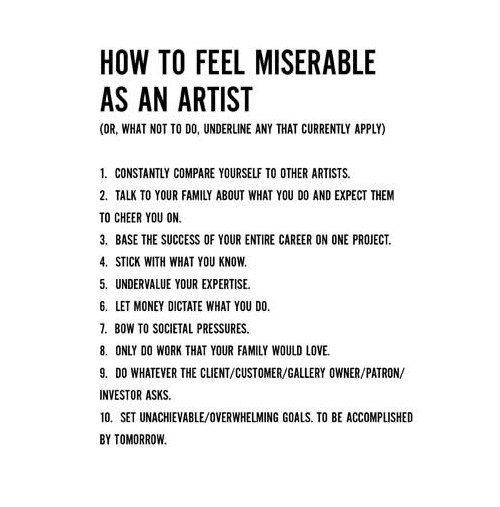
this is a must read for anyone who writes or publishes or designs print publications.

stacey’s the year of the garden post and edatrix’s garden post inspired me to share this garden photo.
i spent the first day of spring breaking ground on a backyard garden.
yes, two garden patches with an oak tree in the center.
The 5 rules of book cover design
(ht: ron silliman)
I don’t believe that faith is always meant to be safe.
Anyone try the new creative/fun work space for freelancers and small business owners in Asheville?
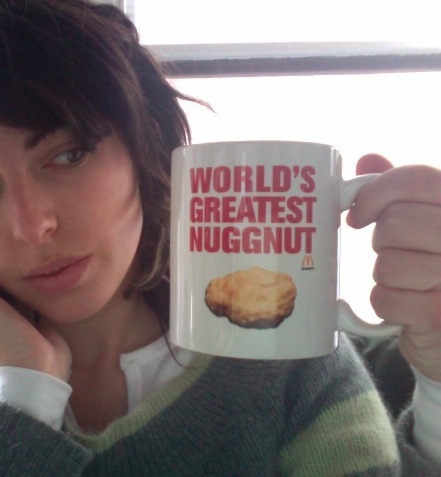
i’d call 911 if they ran out of nuggs too.
I want that mug!
love ❤
i knew there was a reason i don’t eat at mcdonalds.
edatrix:
adeandabet:
blumblr:
thejoo:
I was an energetic male born somewhere in modern Poland in the year 1075.
I was a male medic, surgeon, or herbalist with a very scientific mindset born in 1850 somewhere in modern North India.
I was apparently a female Canadian born in the 1200s with “a magician’s abilities, [I] could have been a servant of dark forces.” Sounds about right.
hilarity: I was male in my last earthly incarnation. I was born somewhere in the territory of modern Borneo around the year 825. My profession was that of a handicraftsman or mechanic.
eerily interesting….
past life diagnosis: male, born somewhere in the territory of modern Ukraine around the year 1825, profession was that of a philosopher and thinker.
brief psychological profile of past life: timid, constrained, quiet person… had creative talents, which waited until this life to be liberated… sometimes your environment considered you strange.
the lesson: it always seemed that perceptions of the world are somewhat different… trust one’s intuition as best guide in present life.
blumblr:hilarity: I was male in my last earthly incarnation. I was born somewhere in the territory of modern Borneo around the year 825. My profession was that of a handicraftsman or mechanic.thejoo:I was apparently a female Canadian born in the 1200s with “a magician’s abilities, [I] could have been a servant of dark forces.” Sounds about right.I was an energetic male born somewhere in modern Poland in the year 1075.I was a male medic, surgeon, or herbalist with a very scientific mindset born in 1850 somewhere in modern North India.
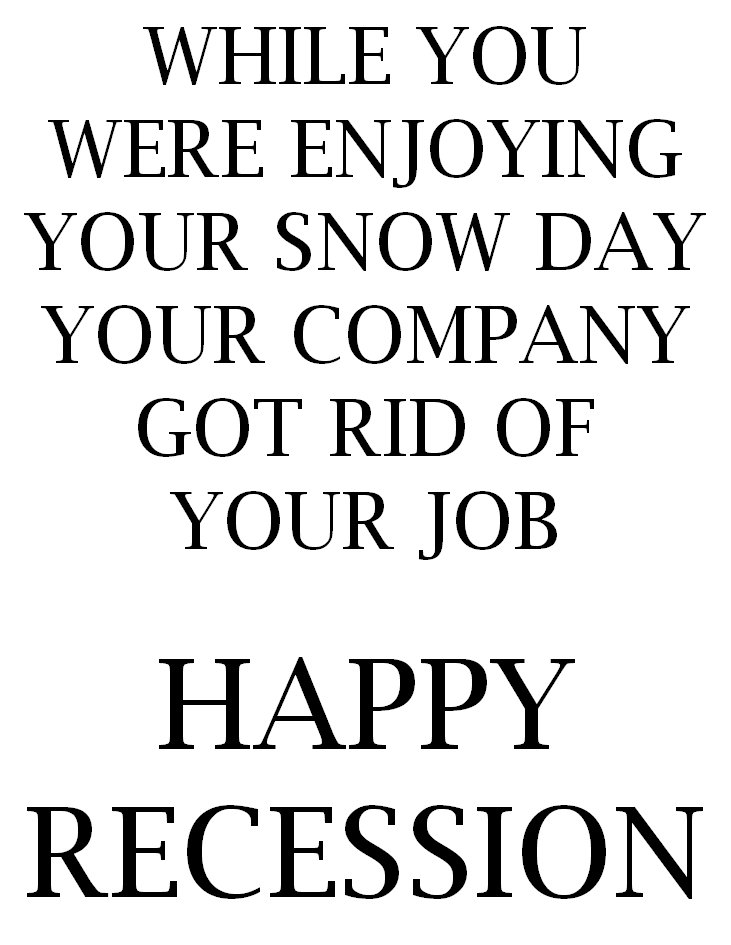
(via bagcoffee)
 Coffeehouse Junkie