What began was a hunt for good Christmas poetry became an annual curation of art, poetry, and reflections. Here are some thoughts and links to many poems you may find helpful during the Advent season.
What began was a hunt for good Christmas poetry became an annual curation of art, poetry, and reflections. Here are some thoughts and links to many poems you may find helpful during the Advent season.
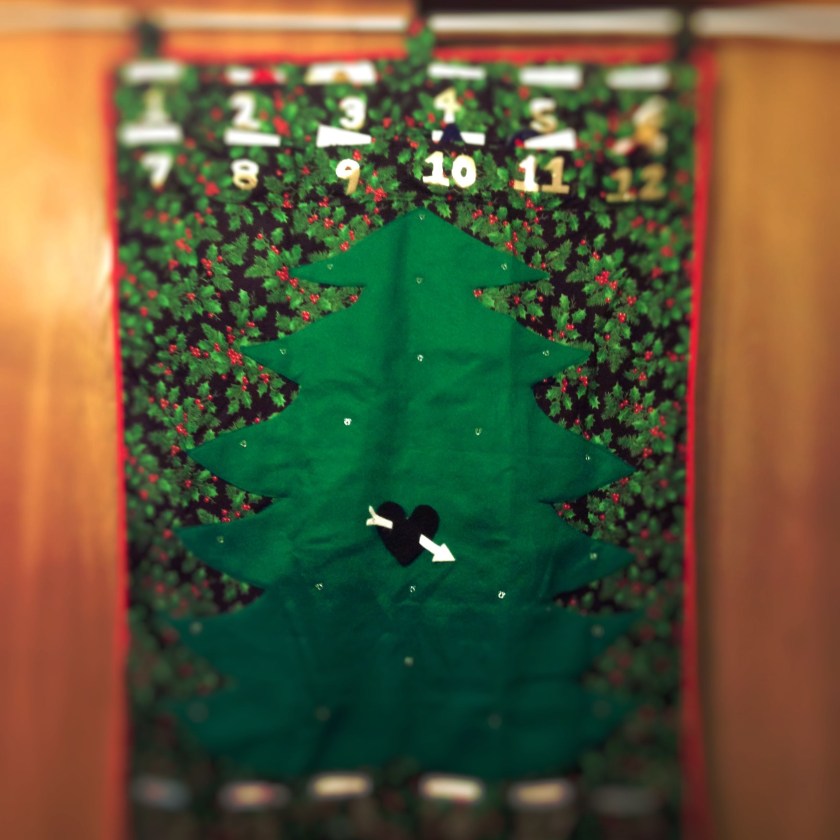
It is Advent again. Here is a one-minute read about the Advent calendar with web links to help you prepare your home for the season.
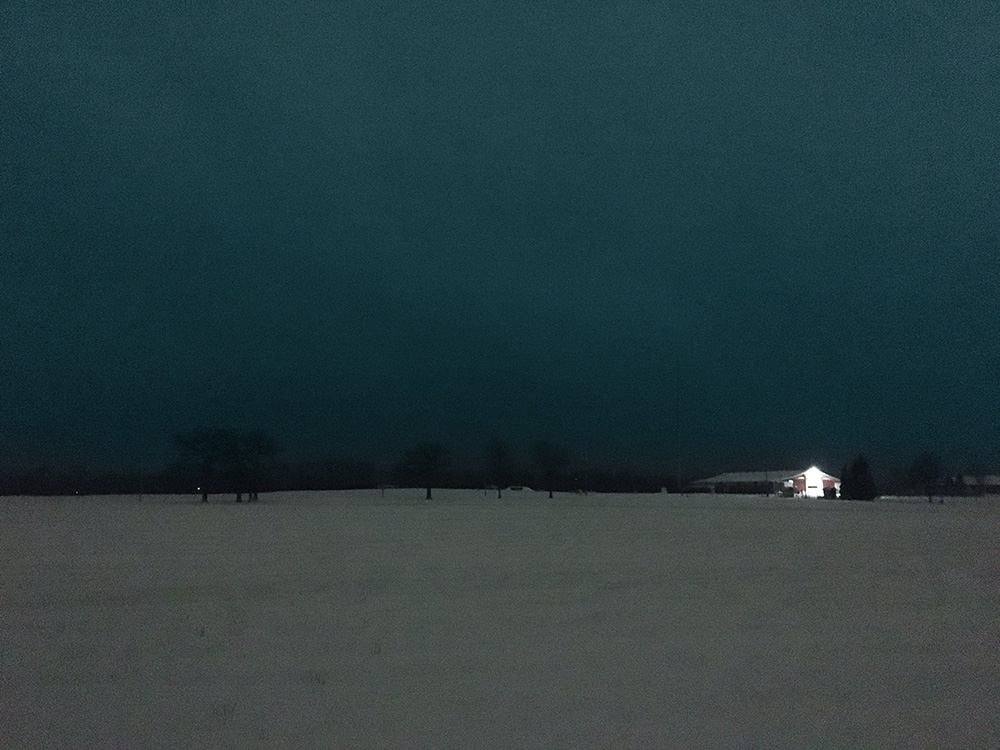
The weekend’s winter storm prohibited normal activities. Here is a poem and reflection for the first Sunday of Advent.
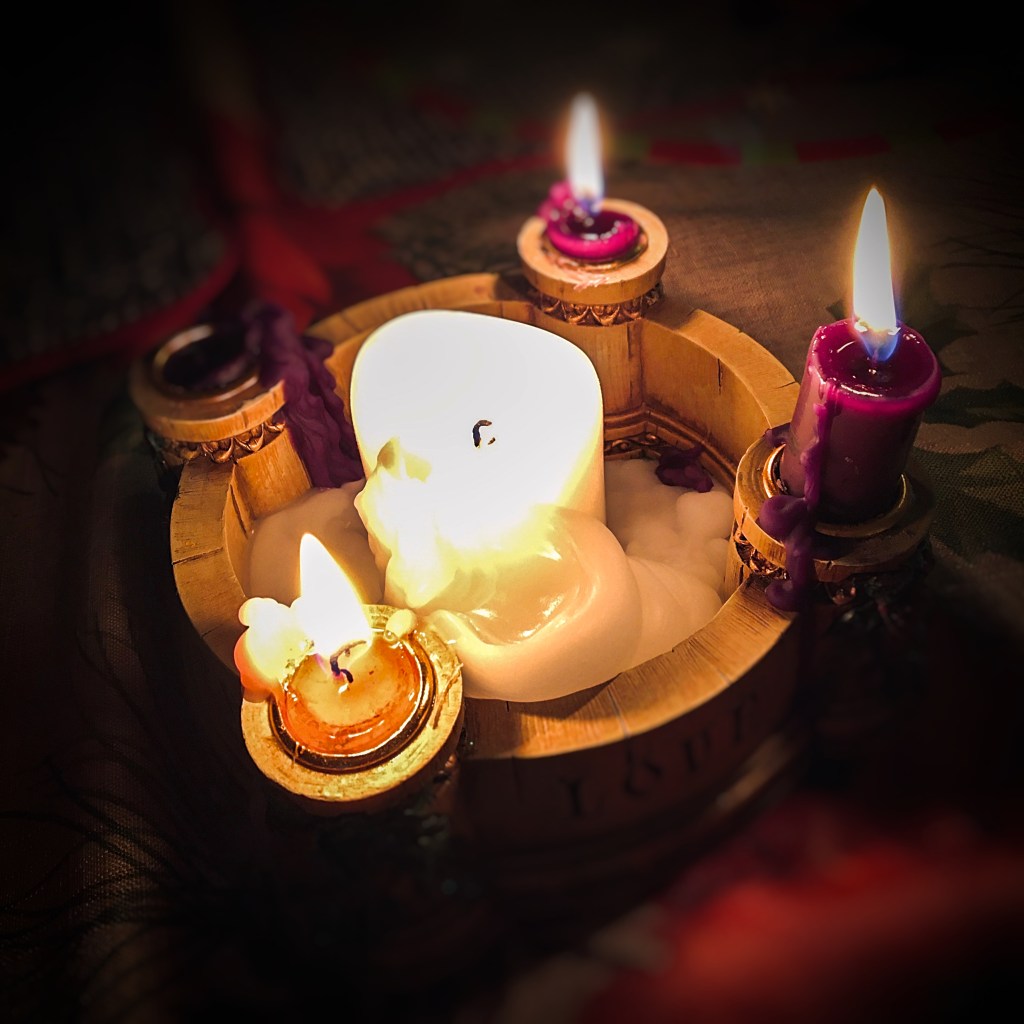
Christmas Day.[1] Last year. The Advent candles lit and allowed to burn all day. And into the evening hours. And until they extinguished themselves. With a death in the family, last year’s Christmas day was surreal and somber. Many activities that would have normally taken place did not due to pandemic restrictions.
This photo, from last year, captures many memories and thoughts. The white candle, sometimes called Christ’s candle in the Advent wreath, represents light, purity, and victory.
Light shines brightest in the dead of winter, in the confusion of depression and folly, and in the feeble snatching after victory from the gutter of defeat.
The poet, speaking in the voice of the magnus, asks “Birth or Death?” Whether King Baltazar, Kasper, or Melchior, the poet does not reveal. “I should be glad of another death.” This line echoes in my mind. Why not, I should be glad for another death? Or, I should be glad of death? Wrestle with this poem during the “worst time of the year.” Consider if the liotodes in the poem is “satisfactory.” Avoid googling what it means. Close the laptop. Turn off the mobile device. Watch the candle light and ruminate.
The Journey Of The Magi[2]
by T. S. Eliot
“A cold coming we had of it,
Just the worst time of the year
For a journey, and such a long journey:
The ways deep and the weather sharp,
The very dead of winter.”
And the camels galled, sore-footed, refractory,
Lying down in the melting snow.
There were times we regretted
The summer palaces on slopes, the terraces,
And the silken girls bringing sherbet.
Then the camel men cursing and grumbling
and running away, and wanting their liquor and women,
And the night-fires going out, and the lack of shelters,
And the cities hostile and the towns unfriendly
And the villages dirty and charging high prices:
A hard time we had of it.
At the end we preferred to travel all night,
Sleeping in snatches,
With the voices singing in our ears, saying
That this was all folly.
Then at dawn we came down to a temperate valley,
Wet, below the snow line, smelling of vegetation;
With a running stream and a water-mill beating the darkness,
And three trees on the low sky,
And an old white horse galloped away in the meadow.
Then we came to a tavern with vine-leaves over the lintel,
Six hands at an open door dicing for pieces of silver,
And feet kicking the empty wine-skins.
But there was no information, and so we continued
And arriving at evening, not a moment too soon
Finding the place; it was (you might say) satisfactory.
All this was a long time ago, I remember,
And I would do it again, but set down
This set down
This: were we led all that way for
Birth or Death? There was a Birth, certainly
We had evidence and no doubt. I had seen birth and death,
But had thought they were different; this Birth was
Hard and bitter agony for us, like Death, our death.
We returned to our places, these Kingdoms,
But no longer at ease here, in the old dispensation,
With an alien people clutching their gods.
I should be glad of another death.
NOTES:
[1] Post updated December 30, 2021.
[2] The Poetry Archive, “Journey of the Magi” by T. S. Eliot read by the poet. Accessed December 30, 2021. https://poetryarchive.org/poem/journey-magi/
Early. An hour before sunrise. Coffee and poems at the kitchen counter. All the apartment was asleep. I read: “Fyre, erd, air, and watter cleir,/To Him gife loving, most and lest,/That come into so meik maneir;/Et nobis puer natus est.”
I love old things. Ancient verse among my favorite. These lines from William Dunbar’s poem “On the Nativity of Christ”[1] take a bit of reading and rereading to unpack the Scottish and Latin lines. And the poem “Veni, Creator Spiritus”[2] by John Dryden features the lines: “And peace, the fruit of love, bestow;/And, lest our feet should step astray,/Protect, and guide us in the way.”
What poem best fits the fourth Sunday of advent? The angels announced that the promised Messiah had come to bring peace.
Distracted. For many minutes I was distracted by a web site with images of famous paintings[3] of the adoration of the shepherds. Maybe it was an hour of distraction. I was frying eggs and toasting bread while looking at the paintings. William Blake’s illustration of Milton’s work[4] is omitted from the collection. His imagination of a brilliant ball of angels in the sky above shepherds[5] remained with me.
Then there was an explosion of household morning activities and responsibilities.
It was not until after the noon meal that my thoughts returned to this meditation. The fourth Sunday of Advent. Peace. The priest mentioned in the sermon that there is a liturgy of life we all participate in daily. He encouraged us to ditch the device and be present. Presence. That reminded me of the following poem by Denise Levertov.
Making Peace
by Denise Levertov
A voice from the dark called out,
‘The poets must give us
imagination of peace, to oust the intense, familiar
imagination of disaster. Peace, not only
the absence of war.’
But peace, like a poem,
is not there ahead of itself,
can’t be imagined before it is made,
can’t be known except
in the words of its making,
grammar of justice,
syntax of mutual aid.
A feeling towards it,
dimly sensing a rhythm, is all we have
until we begin to utter its metaphors,
learning them as we speak.
A line of peace might appear
if we restructured the sentence our lives are making,
revoked its reaffirmation of profit and power,
questioned our needs, allowed
long pauses . . .
A cadence of peace might balance its weight
on that different fulcrum; peace, a presence,
an energy field more intense than war,
might pulse then,
stanza by stanza into the world,
each act of living
one of its words, each word
a vibration of light—facets
of the forming crystal.
NOTES:
[1] This is a helpful blog post and video to help appreciate Dunbar’s poem. “On the Nativity of Christ. A poem by William Dunbar” by Celtic Cadences, June 7, 2009. Accessed December 19, 2021. https://celticcadences.wordpress.com/2009/06/07/on-the-nativity-of-christ-a-poem-by-william-dunbar-court-poet-james-4th-iv-scotland/
[2] “Veni Creator Spiritus” by John Dryden. Accessed December 19, 2021. https://www.bartleby.com/337/580.html
[3] “10 Most Famous Adoration of the Shepherds Paintings” by Zuzanna Stanska, December 25, 2017. Accessed December 19, 2021. https://www.dailyartmagazine.com/famous-adoration-of-the-shepherds-paintings/
[4] From John Milton’s poem: “At last surrounds their sight/A globe of circular light,/That with long beams the shame-fac’d Night array’d;/The helmed Cherubim/And sworded Seraphim/Are seen in glittering ranks with wings display’d,…” “On the Morning of Christ’s Nativity” by John Milton. Accessed December 19, 2021. https://www.poetryfoundation.org/poems/44735/on-the-morning-of-christs-nativity
[5] Illustration 2 to Milton’s “On the Morning of Christ’s Nativity”: The Annunciation to the Shepherds from the Huntington Library, Art Museum, and Botanical Gardens. Accessed December 19, 2021. https://emuseum.huntington.org/objects/64/illustration-2-to-miltons-on-the-morning-of-christs-nativ
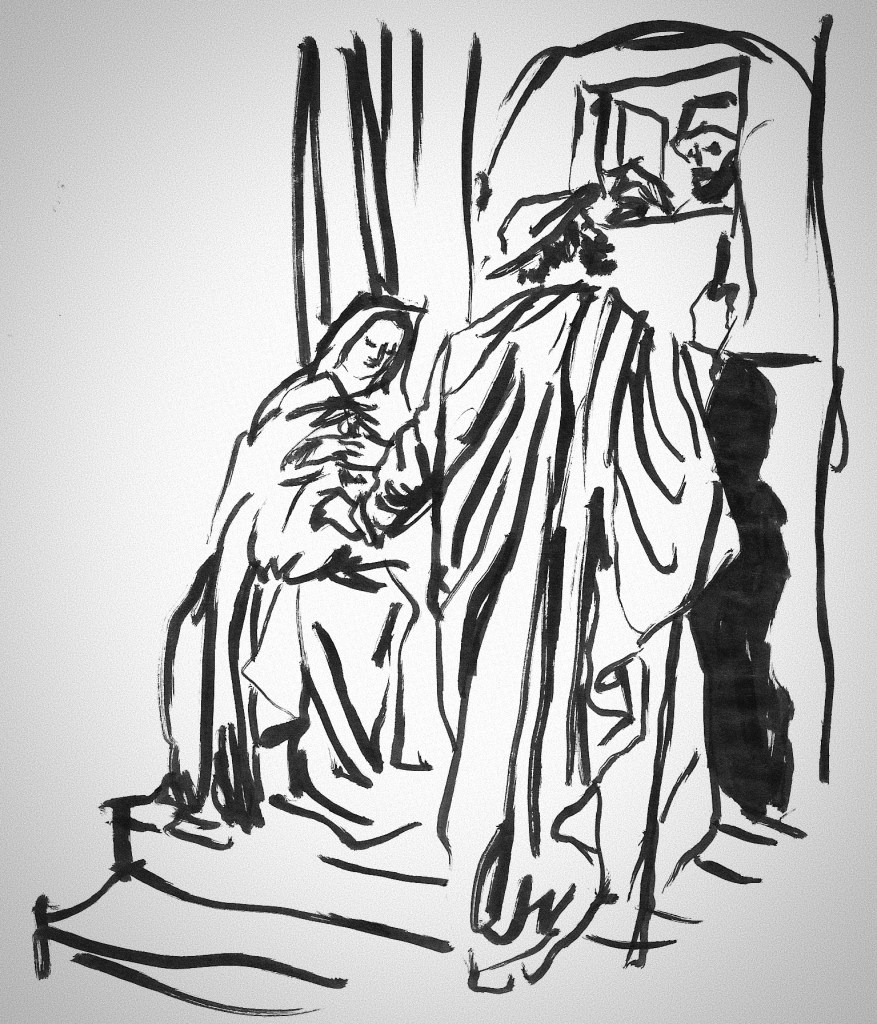
Glad for weariness? The idea that things would slow down last week was an illusion I tried to maintain. My desire was to avoid the hectic and dwell deeply during this Advent season. But the pace of projects at work and helping neighbors and family with medical appointments propelled me and my household through the week.
So, my thoughts remained on the themes of the second week of Advent. Though it is now Gaudete Sunday. The annunciation continues to capture my attention.
In Bernard of Clairvaux’s “Annunciation Dialogue,” he considered the gospel of Luke account. “Be it unto me according to your word,” said Mary. There is wonder, mystery, and humility in the story that I can not escape.
From a sea of fractured thoughts, I washed ashore from the shipwreck of last week. I drew a quick ink study of Viktor Paul Mohn’s no room illustration. The plan was to post the drawing, a thought, and a poem. But the thought and poem disappeared. The notes I left myself read:
Though the drawing above does not match the following poem, I am reminded of what Fr. Olsen shared to congregants this weekend. From the gospel of Luke, he said, that people were in expectation. The annunciation may have been a secret to all but a few, but there was an unexplained expectation in the hearts and minds of people.
The Shepherd’s Song
by Georg Johannes Gick
I am the shepherd’s song, I sing
here in the stable’s shadow,
and all men come; like lambs I bring
them to the Christmas meadow.
I call them through the winter night,
lost out there in the bitter cold;
Oh come and see how love is bright
in the Good Shepherd’s fold!
If there should come some weary one
still late at night that I could bless,
I’ll be content my singing’s done
and glad for weariness.

On a note card is written thoughts and themes about the second week of Advent.
My desire was to compose some meaningful prose to mark the celebration.
But, very early this morning, I watched sleet turn to snow and then to rain. My mind drifted in this irrational season. Eventually, I put the pen down, stuffed the notecard in my pocket and went for a long walk with a friend and brother. This poem by Madeleine L’Engle seems most appropriate for this second week.
This is the irrational season
when love blooms bright and wild.
Had Mary been filled with reason
there’d have been no room for the child.

The youngest child asked, “Why is the candle purple?”
I lit the first candle of the Advent wreath as we gathered around the dining table and prepared to celebrate the first Sunday of Advent.
It is called the “prophets candle” and it is purple to represent royalty, I said. The first candle reminds us of the hope God’s people had that a King was promised.
How does it do that? the child asked.
Let’s read and find out.
We read passages from the prophet Isaiah and the gospel of Luke.
After the first Sunday of Advent celebration, my tired mind tried to find a suitable poem. Thankfully, I had set aside a half dozen poems for consideration last year. This Sabbath poem from Wendell Berry seems to fit with the theme of the prophets candle.
The clearing rests in song and shade.
It is a creature made
By old light held in soil and leaf,
By human joy and grief,
By human work,
Fidelity of sight and stroke,
By rain, by water on
The parent stone.
We join our work to Heaven’s gift,
Our hope to what is left,
That field and woods at last agree
In an economy
Of widest worth.
High Heaven’s Kingdom come on earth.
Imagine Paradise.
O Dust, arise!
Since the tradition curating advent poems[1] was started a few years ago, I found this story[2] particularly interesting.
NOTES:
[1] Advent Poems (or the 12 days of Christmas poetry), December 13, 2012, https://coffeehousejunkie.net/2012/12/13/2013-advent-poems-or-the-12-days-of-christmas-poetry/.
[2] Justin Taylor, “THE TRUE STORY OF PAIN AND HOPE BEHIND “I HEARD THE BELLS ON CHRISTMAS DAY”,” http://www.thegospelcoalition.org, December 21, 2014, accessed December 11, 2016 https://blogs.thegospelcoalition.org/justintaylor/2014/12/21/the-story-of-pain-and-hope-behind-i-heard-the-bells-on-christmas-day/.
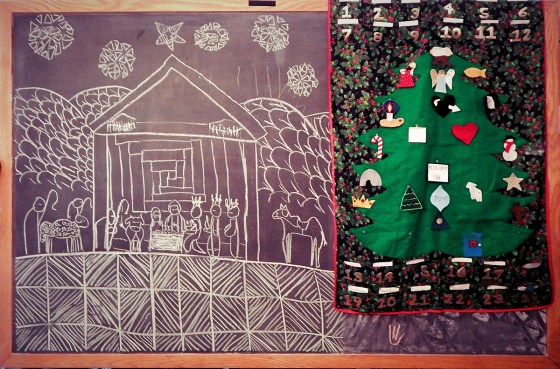
A 183-word blog post published a few years ago became the most visited blog post I have written. How did this all begin? Part of the story started with a family tradition of creating handmade greeting cards. Part of the story involved a search for good seasonal, Christmas poems. Part of the story was how a father learned about Advent.
Last year I had the ambition to share a poem a day throughout the season of Advent. Newly discovered poems by Czeslaw Milosz, Christian Wiman, Edmund Spenser, and others. Unfortunately, work life became unmanageable due to circumstances beyond my control. Only six poems shared during last year’s 2018 Advent season.
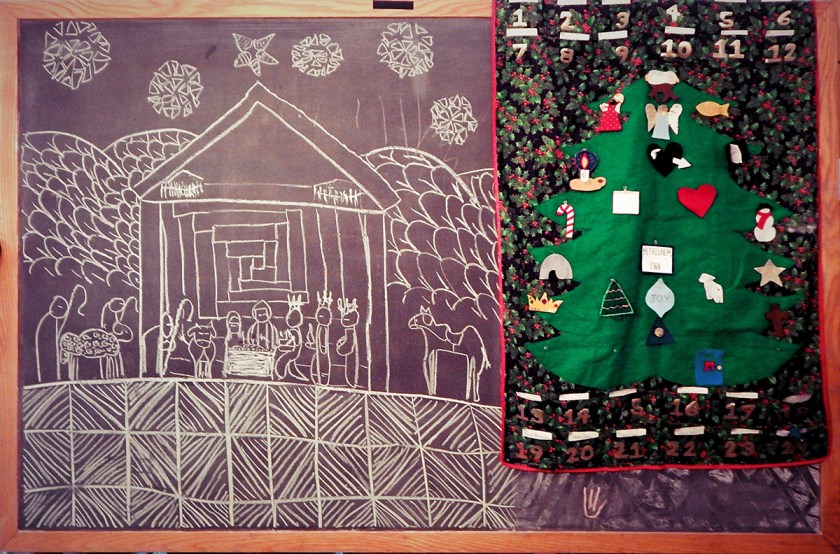
This year the plan was to share twelve poems during the Advent season. But again, work life demands became excessively burdensome. The poems were not released. They remain in the draft category of the content management system. In spite of the hurly-burly of this December, one of the children drew a very nice drawing on the chalkboard. It accompanies the Advent calendar that our family has used each year for more than a decade.
Finally, I wrote a long-ish essay to mark the decade. A story about the handmade greeting cards, the search for good Christmas poems, and how a father learned about Advent. But I decided not to publish it. I doubt anyone is interested in the story. In lieu of that, here are blog links that highlight the last ten years of Advent art, audio recordings, blog posts, and poems.
Let Evening Come, Jane Kenyon
A Scandal in the Suburbs, X.J. Kennedy
Hill Christmas, R. S. Thomas
Remembering that it happened once, Wendell Berry
Advent, Mary Jo Salter
Advent, Patrick Kavanagh
Exploring 12 Days of Advent poetry
A holiday podcast for Christmas Day
It’s that time of year
First Sunday of Advent — Poems
Second Sunday of Advent — Poems
Third Sunday of Advent — Poems
Fourth Sunday of Advent — Poems
Advent Poems (or 12 days of poetry)
Mighty Mercy, John Piper
Advent Calendar, Rowan Williams
Annunciation, Denise Levertov
The God We Hardly Knew, Óscar Romero
Mosaic of the Nativity (Serbia, Winter 1993), Jane Kenyon
Advent, Donald Hall
For Christmas Day, Charles Wesley
Into The Darkest Hour, Madeleine L’Engle
The Winter Is Cold, Is Cold, Madeleine L’Engle
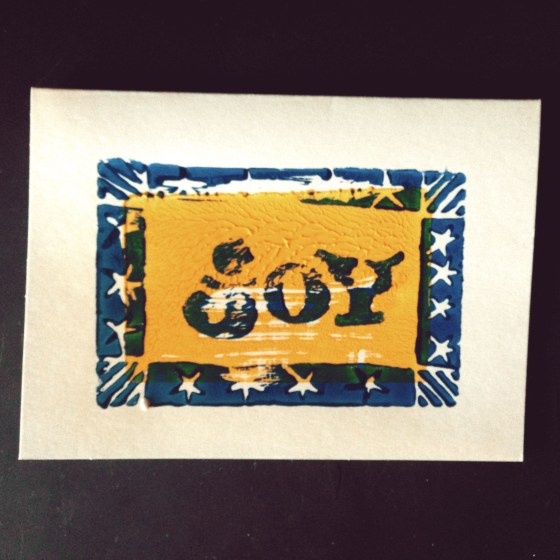
Woodblock printing on a budget
Diy woodblock prints/greeting cards
“Christmas night,” a limited edition woodblock print
Woodblock prints/greeting cards
“Peace on earth,” a limited edition woodblock print
Advent
by Patrick Kavanagh
We have tested and tasted too much, lover –
Through a chink too wide there comes in no wonder.
But here in the Advent-darkened room
Where the dry black bread and the sugarless tea
Of penance will charm back the luxury
Of a child’s soul, we’ll return to Doom
The knowledge we stole but could not use.
And the newness that was in every stale thing
When we looked at it as children: the spirit-shocking
Wonder in a black slanting Ulster hill
Or the prophetic astonishment in the tedious talking
Of an old fool will awake for us and bring
You and me to the yard gate to watch the whins
And the bog-holes, cart-tracks, old stables where Time begins.
O after Christmas we’ll have no need to go searching
For the difference that sets an old phrase burning –
We’ll hear it in the whispered argument of a churning
Or in the streets where the village boys are lurching.
And we’ll hear it among decent men too
Who barrow dung in gardens under trees,
Wherever life pours ordinary plenty.
Won’t we be rich, my love and I, and please
God we shall not ask for reason’s payment,
The why of heart-breaking strangeness in dreeping hedges
Nor analyse God’s breath in common statement.
We have thrown into the dust-bin the clay-minted wages
Of pleasure, knowledge and the conscious hour –
And Christ comes with a January flower.
Advent
by Mary Jo Salter
Wind whistling, as it does
in winter, and I think
nothing of it until
it snaps a shutter off
her bedroom window, spins
it over the roof and down
to crash on the deck in back,
like something out of Oz.
We look up, stunned—then glad
to be safe and have a story,
characters in a fable
we only half-believe.
Look, in my surprise
I somehow split a wall,
the last one in the house
we’re making of gingerbread.
We’ll have to improvise:
prop the two halves forward
like an open double door
and with a tube of icing
cement them to the floor.
Five days until Christmas,
and the house cannot be closed.
When she peers into the cold
interior we’ve exposed,
she half-expects to find
three magi in the manger,
a mother and her child.
She half-expects to read
on tablets of gingerbread
a line or two of Scripture,
as she has every morning
inside a dated shutter
on her Advent calendar.
She takes it from the mantel
and coaxes one fingertip
under the perforation,
as if her future hinges
on not tearing off the flap
under which a thumbnail picture
by Raphael or Giorgione,
Hans Memling or David
of apses, niches, archways,
cradles a smaller scene
of a mother and her child,
of the lidded jewel-box
of Mary’s downcast eyes.
Flee into Egypt, cries
the angel of the Lord
to Joseph in a dream,
for Herod will seek the young
child to destroy him. While
she works to tile the roof
with shingled peppermints,
I wash my sugared hands
and step out to the deck
to lug the shutter in,
a page torn from a book
still blank for the two of us,
a mother and her child.
“Remembering that it happened once”
by Wendell Berry
Remembering that it happened once,
We cannot turn away the thought,
As we go out, cold, to our barns
Toward the long night’s end, that we
Ourselves are living in the world
It happened in when it first happened,
That we ourselves, opening a stall
(A latch thrown open countless times
Before), might find them breathing there,
Foreknown: the Child bedded in straw,
The mother kneeling over Him,
The husband standing in belief
He scarcely can believe, in light
That lights them from no source we see,
An April morning’s light, the air
Around them joyful as a choir.
We stand with one hand on the door,
Looking into another world
That is this world, the pale daylight
Coming just as before, our chores
To do, the cattle all awake,
Our own frozen breath hanging
In front of us; and we are here
As we have never been before,
Sighted as not before, our place
Holy, although we knew it not.
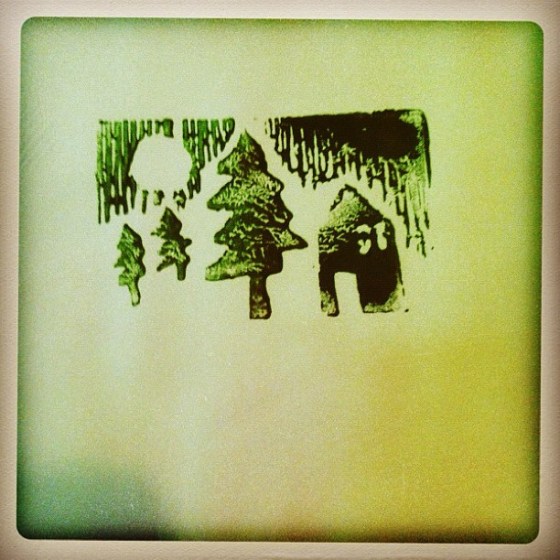
“Hill Christmas”
by R. S. Thomas
They came over the snow to the bread’s
purer snow, fumbled it in their huge
hands, put their lips to it
like beasts, stared into the dark chalice
where the wine shone, felt it sharp
on their tongue, shivered as at a sin
remembered, and heard love cry
momentarily in their hearts’ manger.
They rose and went back to their poor
holdings, naked in the bleak light
of December. Their horizon contracted
to the one small, stone-riddled field
with its tree, where the weather was nailing
the appalled body that had asked to be born.
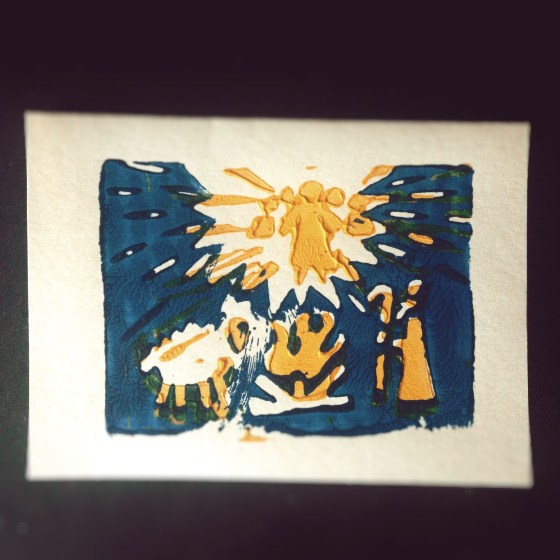
A Scandal in the Suburbs
by X.J. Kennedy
We had to have him put away,
For what if he’d grown vicious?
To play faith healer, give away
Stale bread and stinking fishes!
His soapbox preaching set the tongues
Of all the neighbors going.
Odd stuff: how lilies never spin
And birds don’t bother sowing.
Why, bums were coming to the door—
His pockets had no bottom—
And then-the foot-wash from that whore!
We signed. They came and got him.
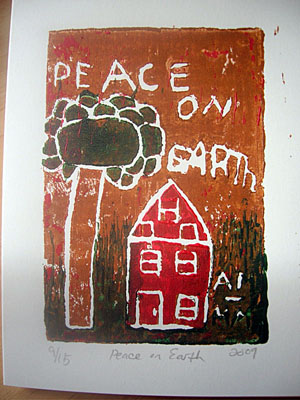
“Let Evening Come”
By Jane Kenyon
Let the light of late afternoon
shine through chinks in the barn, moving
up the bales as the sun moves down.
Let the cricket take up chafing
as a woman takes up her needles
and her yarn. Let evening come.
Let dew collect on the hoe abandoned
in long grass. Let the stars appear
and the moon disclose her silver horn.
Let the fox go back to its sandy den.
Let the wind die down. Let the shed
go black inside. Let evening come.
To the bottle in the ditch, to the scoop
in the oats, to air in the lung
let evening come.
Let it come, as it will, and don’t
be afraid. God does not leave us
comfortless, so let evening come.
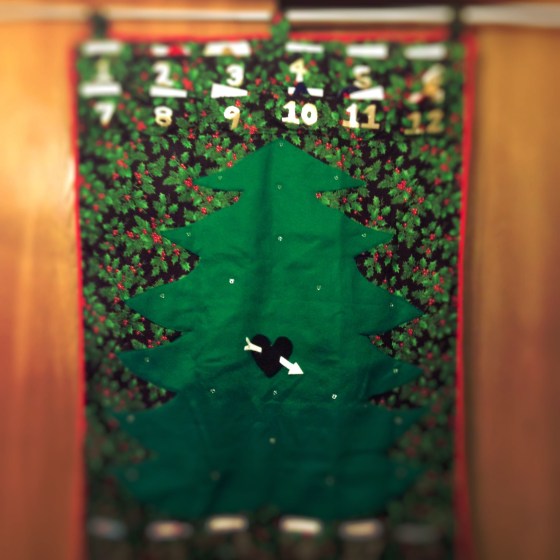
It is the season of Advent. Many years ago, my sister-in-law presented my household with a beautiful, hand-sewn Advent calendar. She said that her daughter did most of the work.
Hanging the Advent calendar is an anticipated part of the season. The family gathers around the dining room table to read selected passages and sing a song. Kidlingers take turns each evening selecting an ornament behind a number and hanging it on the calendar’s tree.
Around the time the hand-sewn Advent calendar was received, I began a search for related, relevant Advent poetry to celebrate the season. This took awhile. But eventually I collected 12 poems and shared them on this blog.[1] It has become the most visited and shared post I have written. A series of Advent podcasts were produced as well,[2] [3] [4] [5] but the list of 12 Advent poems is a perennial favorite.
Slowly I gathered a few more poems for this annual tradition. This year I will share throughout the Advent season poems by Wendell Berry, Patrick Kavanagh, X.J. Kennedy, Jane Kenyon, Mary Jo Salter, and R. S. Thomas.
NOTES:
[1] Advent Poems (or the 12 days of Christmas poetry)
[2] Poems and readings for the First Sunday of Advent
[3] Poems and readings for the Second Sunday of Advent
[4] Poems and readings for the Third Sunday of Advent
[5] Poems and readings for the Fourth Sunday of Advent
Since the tradition curating advent poems[1] was started a few years ago, I found this story[2] particularly interesting.
NOTES:
[1] Advent Poems (or the 12 days of Christmas poetry), December 13, 2012, https://coffeehousejunkie.net/2012/12/13/2013-advent-poems-or-the-12-days-of-christmas-poetry/.
[2] Justin Taylor, “THE TRUE STORY OF PAIN AND HOPE BEHIND “I HEARD THE BELLS ON CHRISTMAS DAY”,” http://www.thegospelcoalition.org, December 21, 2014, accessed December 11, 2016 https://blogs.thegospelcoalition.org/justintaylor/2014/12/21/the-story-of-pain-and-hope-behind-i-heard-the-bells-on-christmas-day/.
The winter is cold, is cold.
All’s spent in keeping warm.
Has joy been frozen, too?
I blow upon my hands
Stiff from the biting wind.
My heart beats slow, beats slow.
What has become of joy?
If joy’s gone from my heart
Then it is closed to You
Who made it, gave it life.
If I protect myself
I’m hiding, Lord, from you.
How we defend ourselves
In ancient suits of mail!
Protected from the sword,
Shrinking from the wound,
We look for happiness,
Small, safety-seeking, dulled,
Selfish, exclusive, in-turned.
Elusive, evasive, peace comes
Only when it’s not sought.
Help me forget the cold
That grips the grasping world.
Let me stretch out my hands
To purifying fire,
Clutching fingers uncurled.
Look! Here is the melting joy.
My heart beats once again.[1]
This audio podcast features the poem “The Winter Is Cold, Is Cold” by Madeleine L’Engle and concludes with a selection from the Book of Common Prayer that is often read on Christmas Day.
NOTES:
[1] Source: The Winter Is Cold, Is Cold by Madeleine L’Engle
[2] Advent Poems (or the 12 days of Christmas poetry)
No one can celebrate
a genuine Christmas
without being truly poor.
The self-sufficient, the proud,
those who, because they have
everything, look down on others,
those who have no need
even of God- for them there
will be no Christmas.
Only the poor, the hungry,
those who need someone
to come on their behalf,
will have that someone.
That someone is God.
Emmanuel. God-with-us.
Without poverty of spirit
there can be no abundance of God.[1]
This audio podcast features “The House of Christmas” by GK Chesterton, “The God We Hardly Knew” by Óscar Romero and a selection from the Book of Common Prayer.
 Also, special thanks to Folk Angel for permission to use “O Little Town Of Bethlehem” from their album Glad Tidings – Christmas Songs, Vol. 4. If you are looking for some great Christmas records, check out their website, FolkAngel.com.
NOTES:
[1] Source: The God We Hardly Knew by Óscar Romero
[2] Advent Poems (or the 12 days of Christmas poetry)
Immensity cloistered in thy dear womb,
Now leaves His well-belov’d imprisonment,
There He hath made Himself to His intent
Weak enough, now into the world to come;
But O, for thee, for Him, hath the inn no room?
Yet lay Him in this stall, and from the Orient,
Stars and wise men will travel to prevent
The effect of Herod’s jealous general doom.
Seest thou, my soul, with thy faith’s eyes, how He
Which fills all place, yet none holds Him, doth lie?
Was not His pity towards thee wondrous high,
That would have need to be pitied by thee?
Kiss Him, and with Him into Egypt go,
With His kind mother, who partakes thy woe.[1]
This audio podcast features “Mosaic of the Nativity (Serbia, Winter 1993)” by Jane Kenyon, “Nativity” by John Donne, “A Christmas Carol” by Christina Georgina Rossetti and a selection from the Book of Common Prayer.
 Special thanks to Folk Angel for permission to use “God Rest Ye Merry Gentlemen” from their album Comfort & Joy – Christmas Songs, Vol. 3. If you are looking for some great Christmas records, check out their website, FolkAngel.com.
NOTES:
[1] Source: “Nativity” by John Donne
[2] Advent Poems (or the 12 days of Christmas poetry)
When I see the cradle rocking
What is it that I see?
I see a rood on the hilltop
Of Calvary.
When I hear the cattle lowing
What is it that they say?
They say that shadows feasted
At Tenebrae.
When I know that the grave is empty,
Absence eviscerates me,
And I dwell in a cavernous, constant
Horror vacui.[1]
This audio podcast features “Annunciation” by Denise Levertov, “Advent” by Donald Hall, “Into The Darkest Hour” by Madeleine L’Engle[2] and a selection from the Book of Common Prayer.
NOTES:
[1] Source: Poetry Foundation
[2] Advent Poems (or the 12 days of Christmas poetry)
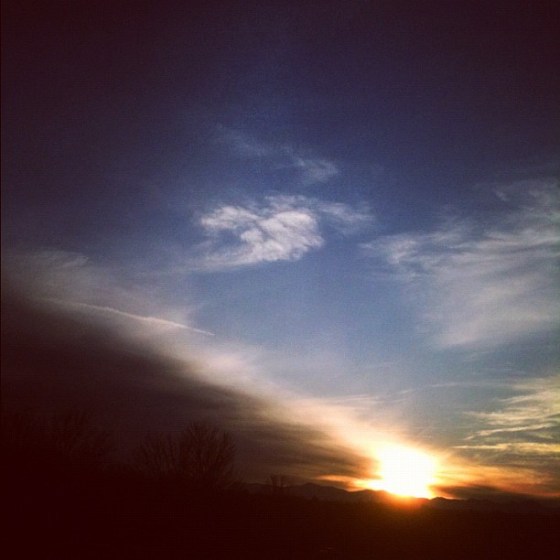
The winter is cold, is cold.
All’s spent in keeping warm.
Has joy been frozen, too?
I blow upon my hands
Stiff from the biting wind.
My heart beats slow, beats slow.
What has become of joy?
If joy’s gone from my heart
Then it is closed to You
Who made it, gave it life.
If I protect myself
I’m hiding, Lord, from you.
How we defend ourselves
In ancient suits of mail!
Protected from the sword,
Shrinking from the wound,
We look for happiness,
Small, safety-seeking, dulled,
Selfish, exclusive, in-turned.
Elusive, evasive, peace comes
Only when it’s not sought.
Help me forget the cold
That grips the grasping world.
Let me stretch out my hands
To purifying fire,
Clutching fingers uncurled.
Look! Here is the melting joy.
My heart beats once again.[1]
This audio podcast features the poem “The Winter Is Cold, Is Cold” by Madeleine L’Engle and concludes with a selection from the Book of Common Prayer that is often read on Christmas Day.
NOTES:
[1] Source: The Winter Is Cold, Is Cold by Madeleine L’Engle
[2] Advent Poems (or the 12 days of Christmas poetry)
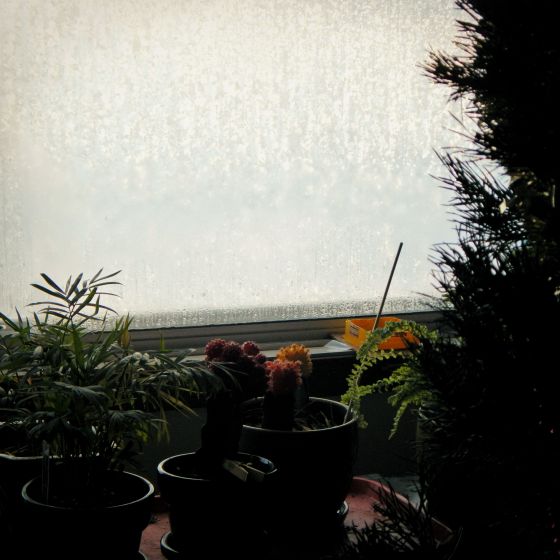
The outside air temperature this morning, when I woke up, was -6°F. Won’t event mention the windchill factor. The window completely frosted over. It is December. Wonderfully cold and beautiful.
Almost wanted to spend the day in bed composing a new list of twelve Advent poems to accompany the ever popular post Advent Poems (or the 12 days of Christmas poetry). Here’s one Advent poem I am considering for a new list.
The birth of wonder[1]
by Madeleine L’Engle
When I am able to pray with the mind in the heart, I am joyfully
able to affirm the irrationality of Christmas.
As I grow older
I get surer
Man’s heart is colder,
His life no purer.
As I grow steadily
More austere
I come less readily
To Christmas each year.
I can’t keep taking
Without a thought
Forced merrymaking
And presents bought
In crowds and jostling.
Alas, there’s naught
In empty wassailing
Where oblivion’s sought.
Oh, I’d be waiting
With quiet fasting
Anticipating
A joy more lasting.
And so rhyme
With no apology
During this time
Of eschatology:
Judgement and warning
Come like thunder.
But now is the hour
When I remember
An infant’s power
On a cold December.
Midnight is dawning
And the birth of wonder.
NOTES:
[1] “The birth of wonder” by Madeleine L’Engle. Published in the book WinderSong by Madeleine L’Engle and Luci Shaw.

 Coffeehouse Junkie