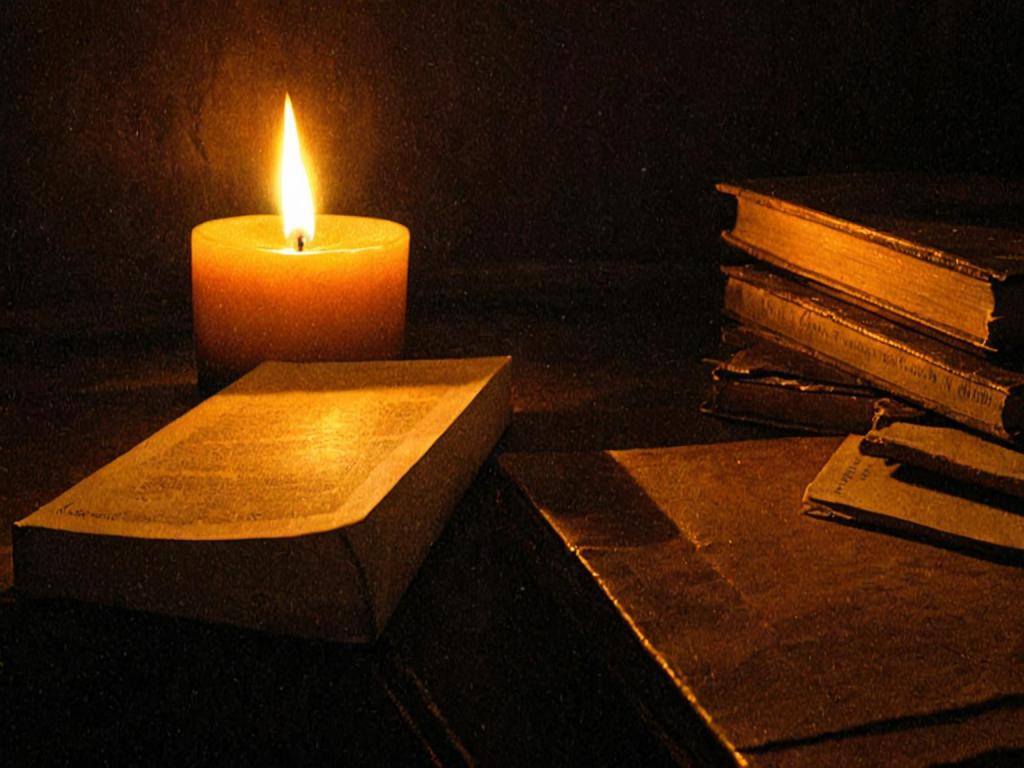
Good haunting

A good poem haunts a reader.1 Even after a decade these poems follow me.

From Vera Pavlova:2

Why is the word yes so brief?
It should be
the longest,
the hardest,
so that you could not decide in an instant to say it…

And Khaled Mattawa:3

The rule is everyone is a gypsy now.
Everyone is searching for his tribe.

And final, John Keats:4

The poetry of earth is never dead:
When all the birds are faint with the hot sun,
And hide in cooling trees…

NOTES:
1) Coffeehousejunkie, “A good poem is like a good film — haunting,” June 14, 2010, weblog, accessed June 16, 2026, https://coffeehousejunkie.net/2010/06/14/a-good-poem-is-like-a-good-film-%e2%80%94-haunting/
2) Vera Pavlova, “If There Is Something to Desire, 9, 17, 18,” June 14, 2010, Academy of American Poets (poets.org), accessed June 16, 2026, https://poets.org/poem/if-there-something-desire-9-17-18
3) Khaled Mattawa, “Ecclesiastes,” June 14, 2010, Academy of American Poets (poets.org), accessed June 16, 2026, https://poets.org/poem/ecclesiastes
4) John Keats, “On the Grasshopper and the Cricket,” (not everything is on the internet… so times you need to unplug and find a candle and book)

Representing nations through poetry

Today, I followed a link to a web site that I rather enjoy — the United Nations of Poetry. Serendipitously I found the link and learned that it presents a catalog of international poets. I noticed, however, that some nations are missing from the list. For example, Germany is not represented. Consider including German language poets Durs Grünbein, Michael Hofmann and Sarah Kirsch. Also notably missing are Polish and Russian poets. Vera Pavlova makes a good addition to the United Nations of Poetry representing Russia. For Poland, Eugeniusz Tkaczszyn-Dycki might make a good contribution. And last, but not least, add Greek poet Dimitris Varos to the list of poetry dignitaries. One thing that is unique to the United Nations of Poetry is the inclusion of poets from America representing the indigenous peoples.

Why is this important? I think C. S. Lewis wrote that literature “irrigates the deserts that our lives.” Along that line of thinking, to know and understand the inner life of a nation or culture is to explore the fertile literature of their poets and writers. Film tends to present caricatures and stereotypes of Germans, Russians and Americans, but literature plumbs the depth of cultural nuances. For example, you might miss the significance of the shamrock and the lily in a film about two brothers in North Ireland. In a novel, the weight of those two images will elucidate the drama between the two siblings, and a reader will come to realize that the tensions between two brothers are often the same between nations.