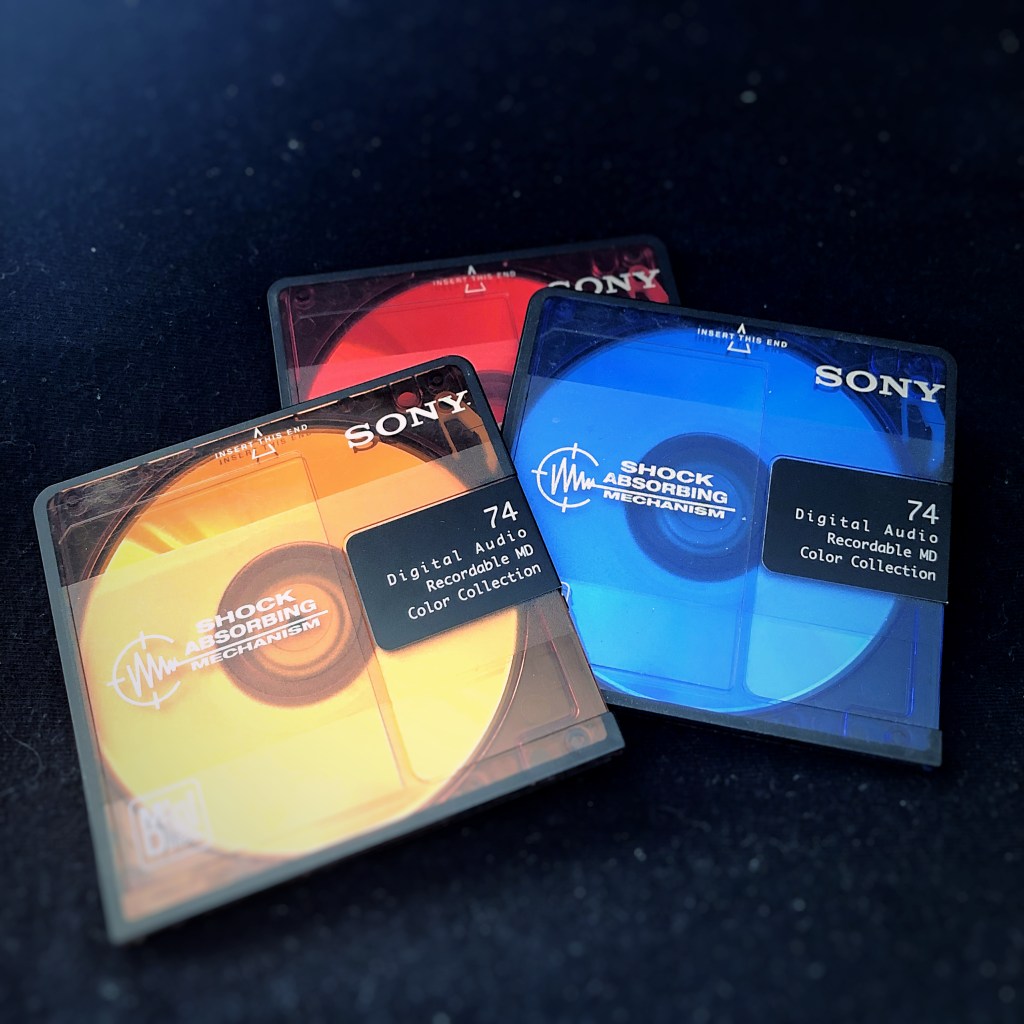
Audio recordable MiniDiscs
“If you want a golden rule that will fit everybody, this is it: Have nothing in your houses that you do not know to be useful, or believe to be beautiful.”
— Beauty of Life, William Morris, 1880
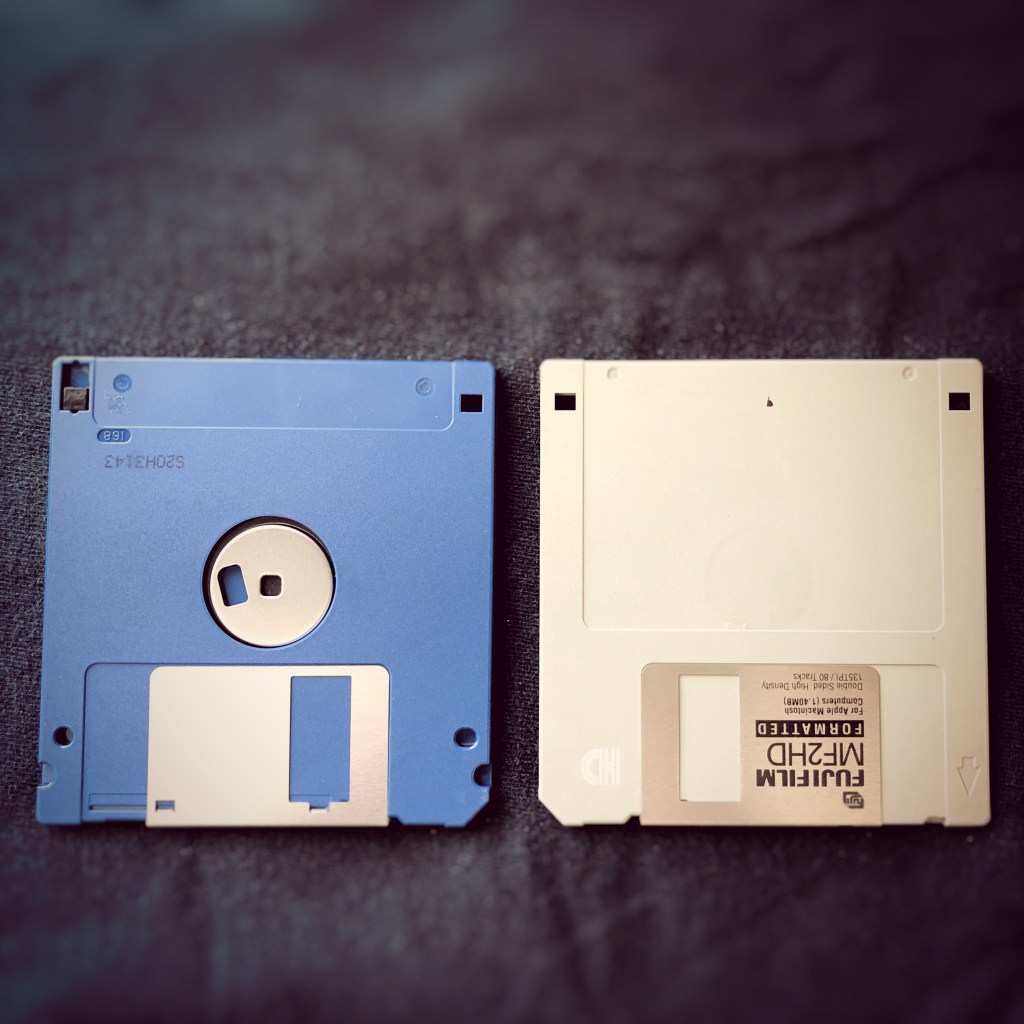
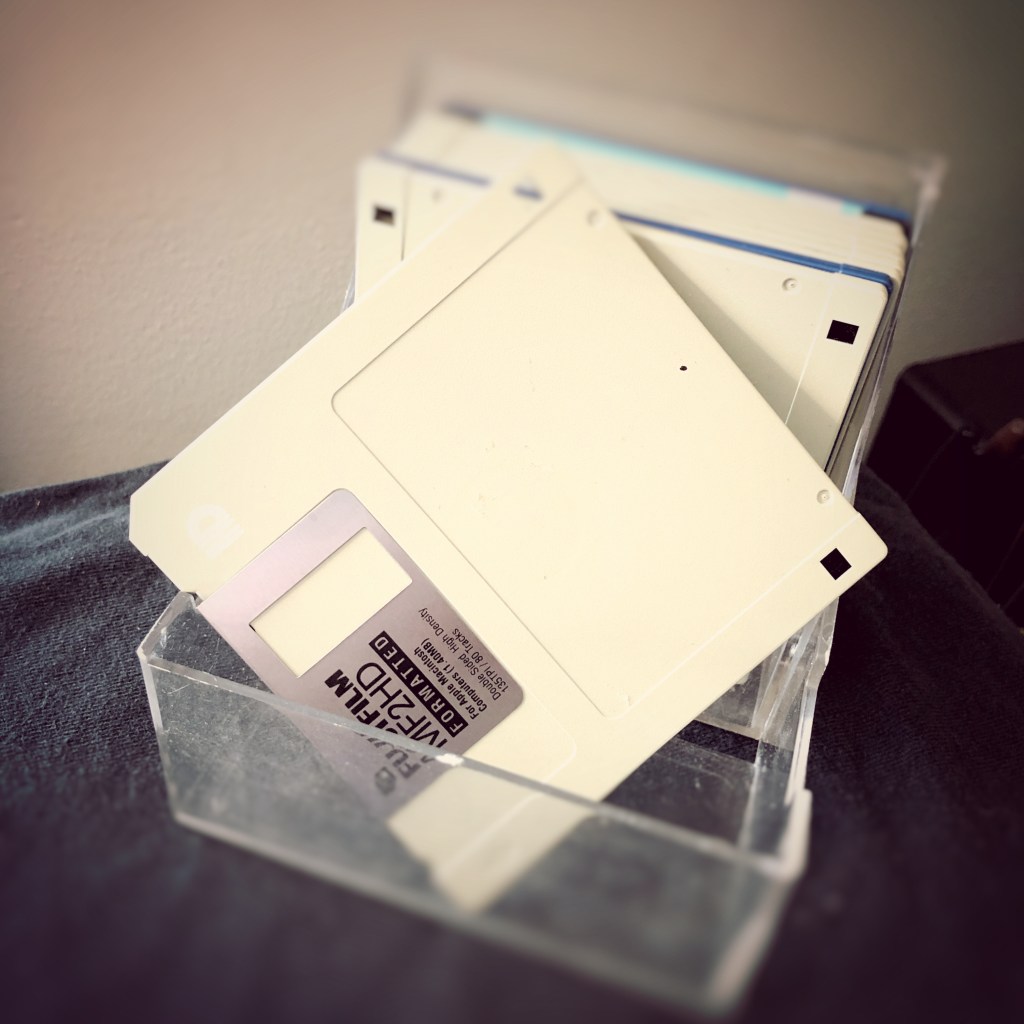
Storage capacity of a three and a half inch floppy disk (from the 30 years ago) is 1.4 megabytes. The digital image of these floppy disks requires two floppy disks to store the data.
Try explaining that to the kidlingers.

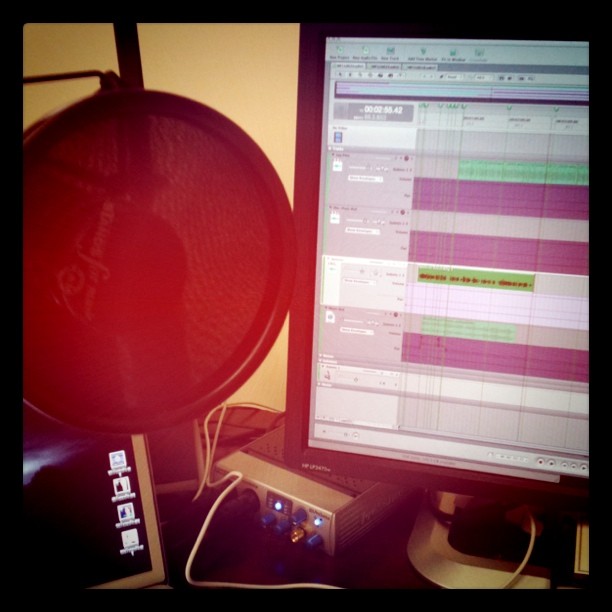
So, we did it again.


What is a “lean-back listener”? According to a leading music streaming service it is their target audience. A person who clicks on a list of songs, a playlist, for background music to help focus on work projects, or an exercise routine, or to relax after a long day on the job. One writer summarizes it: “Low-effort acquisition led to low-effort consumption”.
Remember what it was like to admire the artwork of a vinyl record or audio CD, to open a CD tray to read liner notes, to place a record on the platter or the compact disc in the tray?
Remember listening a whole album from start to finish? I mean, Really listening to the order of the songs and how each song relates to each other. Why does the album begin with an explosive tempo (presto) then moves to a walking pace (andante) before slowing to an adagio? And then listen to the album again. And again.
The art of listening to an album requires intent and practice. Plan a musical playlist. Where do you start? For me, the journey began with a cellist playing Adagio in G Minor in a novel set in Sarajevo. What does that music sound like and why is it important to the narrative?
I visited the public library. They no longer provide audio CDs to local patrons. So, I requested CDs using the online interlibrary loan service. This service allows access to libraries across the state. A music playlist developed from many interlibrary loans transactions.
A Brad Mehlda recording began the daily musical practice. But within a week the Mehlda CD switched positions to the last slot in the five-disc CD player changer.
During the summer a lot of music CD selections were returned to or retrieved from the library. Liner notes were read and album cover artwork admired. Effort made to learn about the music and the artists and the producers provided a journey. The order of the songs mattered. As Bailey and Micah, folk musicians of the band The Figs Present: The Figs, quip: “If you’re listening to this album on shuffle this won’t make any sense. Right? but also, if you’re listening to this album on shuffle, why?” Streaming music on shuffle is low-effort acquisition for low-effort consumption. By the end of summer the playlist that formed became a rich audio tapestry, an intimate soundtrack, and not unmemorable streaming background static.

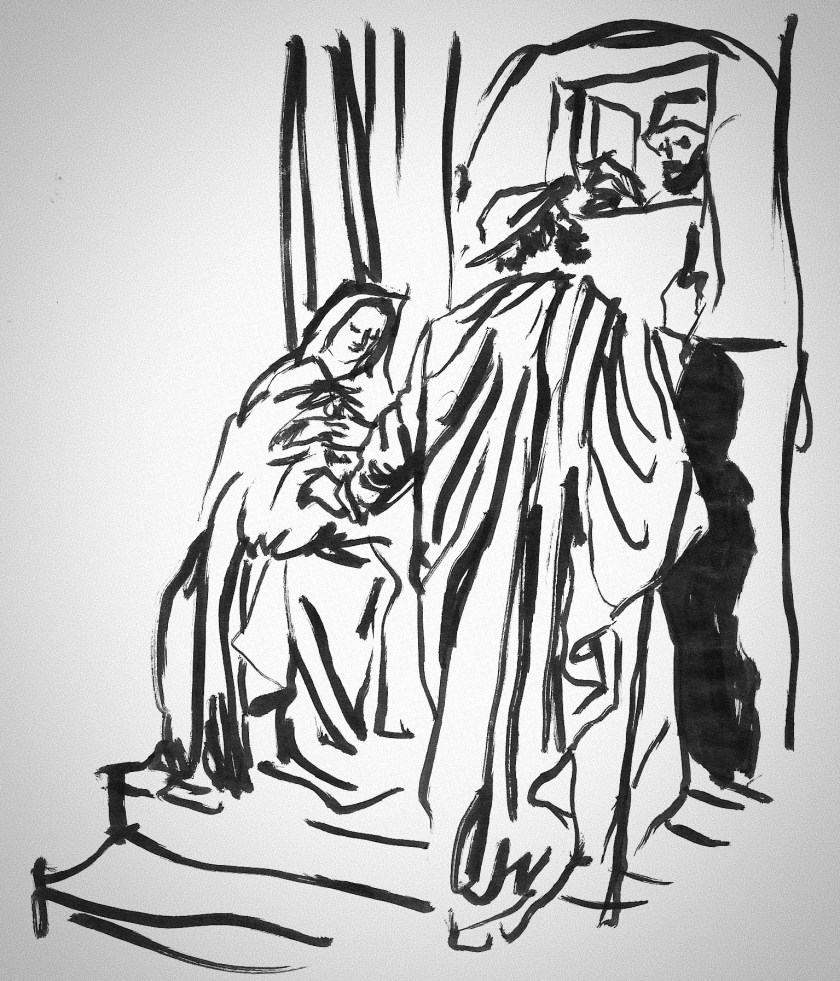
Here is a poem and reflection for the third Sunday of Advent.
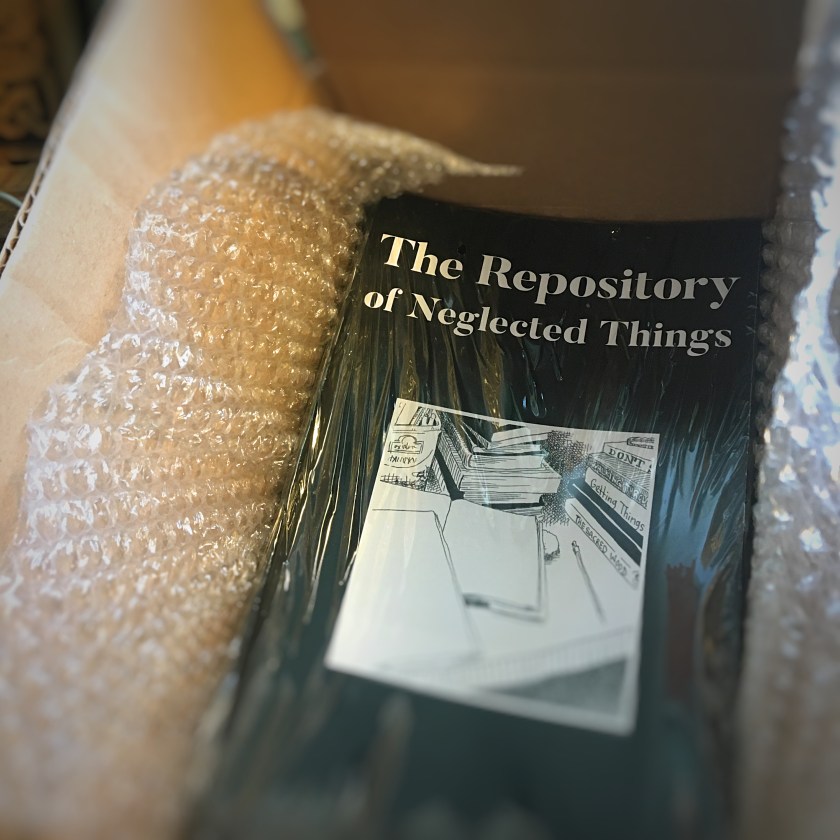
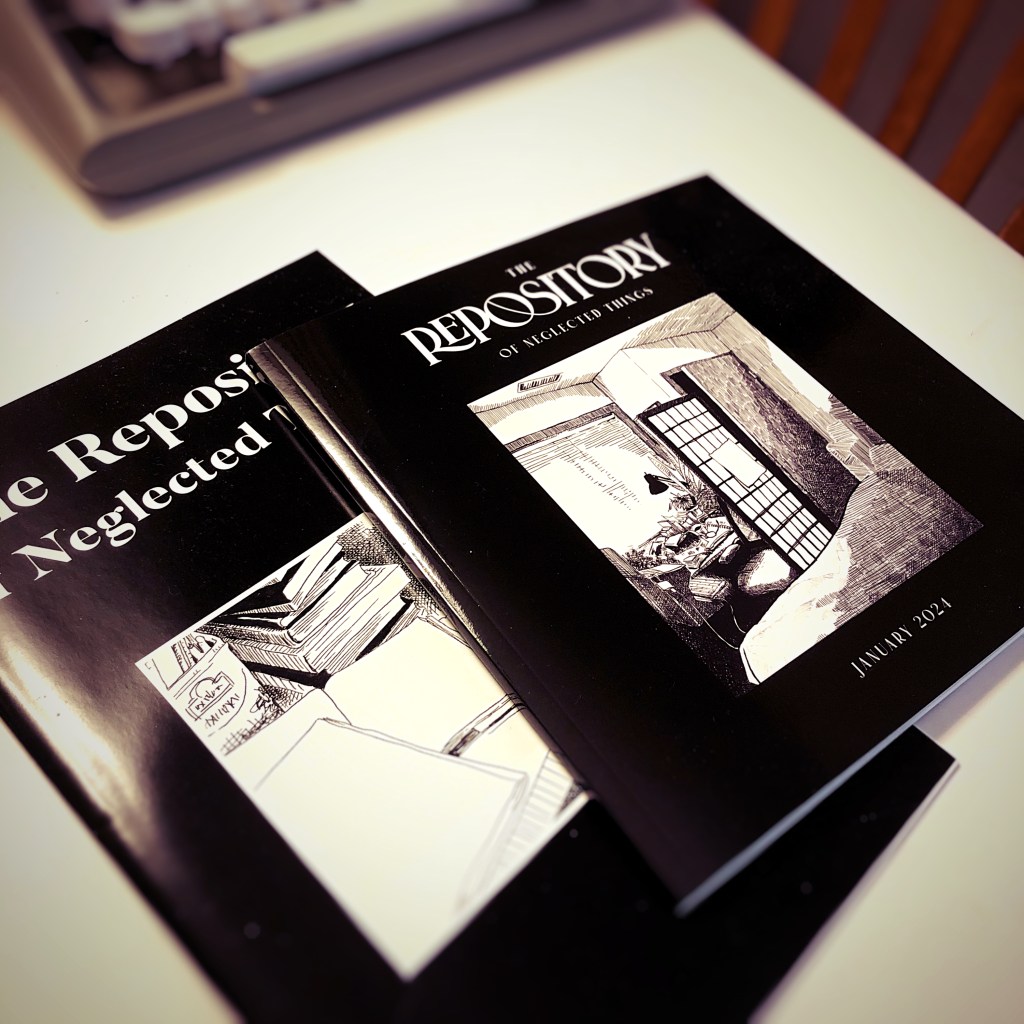
A couple of the drawings and illustrations featured on this web site during the last month or two appear in The Repository of Neglected Things. This private project originally started as way to collect unpublished drawings, illustrations, and stories into a physical package for friends and family. An anthology, if you will. Or maybe a portfolio. Plans are in process for a third and fourth volume. It has a limited print run. And distributed privately by invitation only.
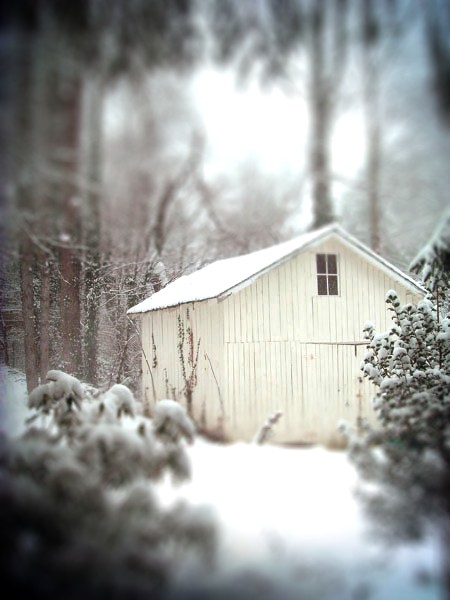

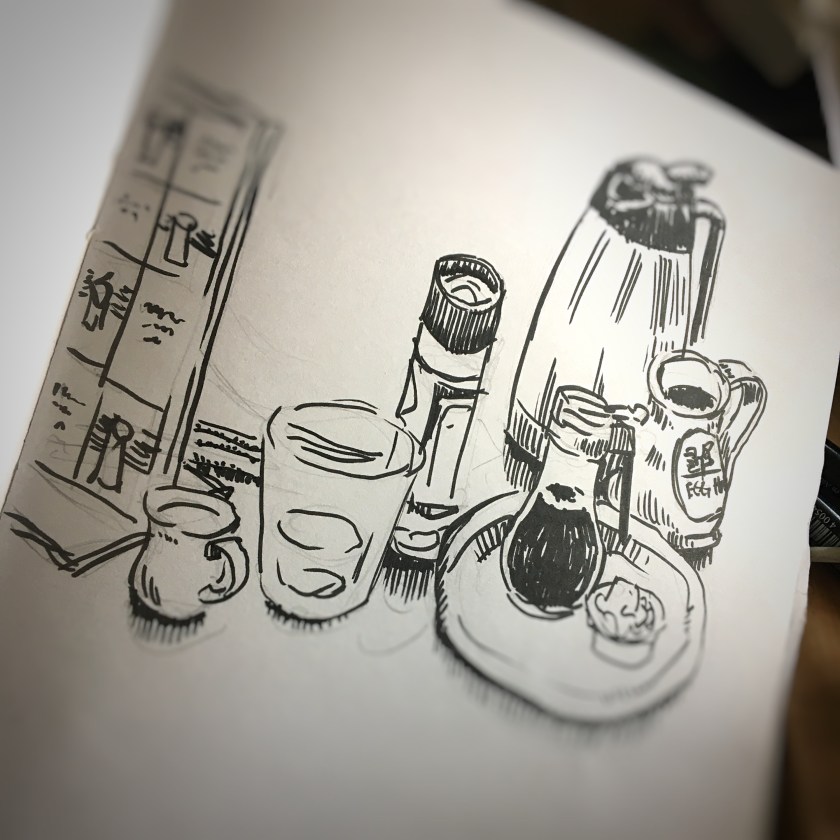
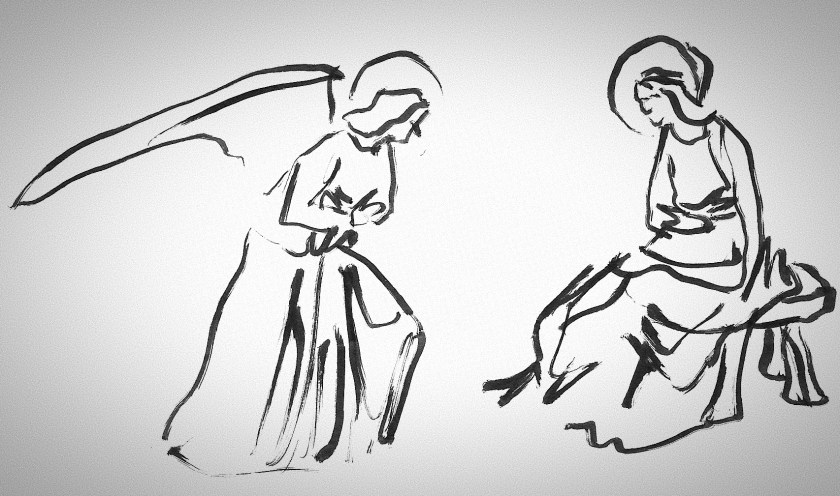
A reflection and poem for the second Sunday of Advent.


 Coffeehouse Junkie