Hear the train coming…
Hear the train coming…
When is the next poetry at the Pulp?
One day all your strange parts will be a monument.
There’s a thick haze over the city this morning.
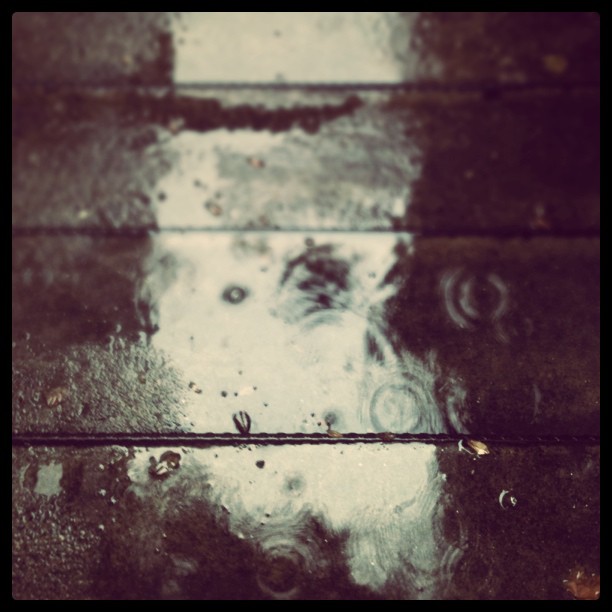
Puddles on the steps. #avlwx
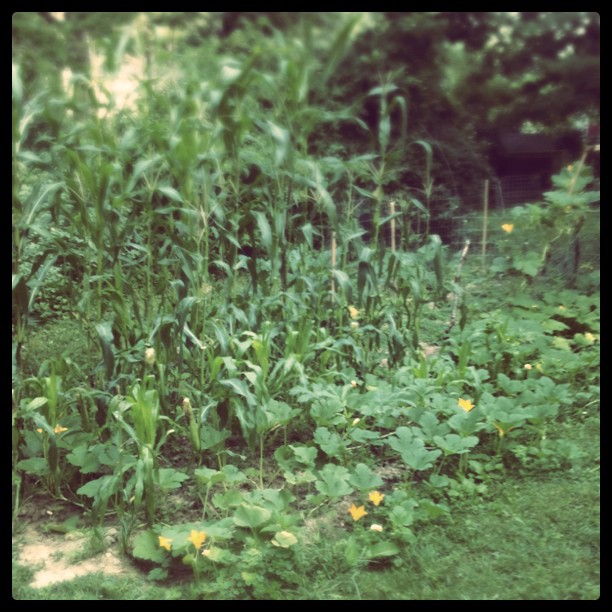

Iron Man: “Well, son. It’s like this… you have to walk first before you can use your rocket boosters.”
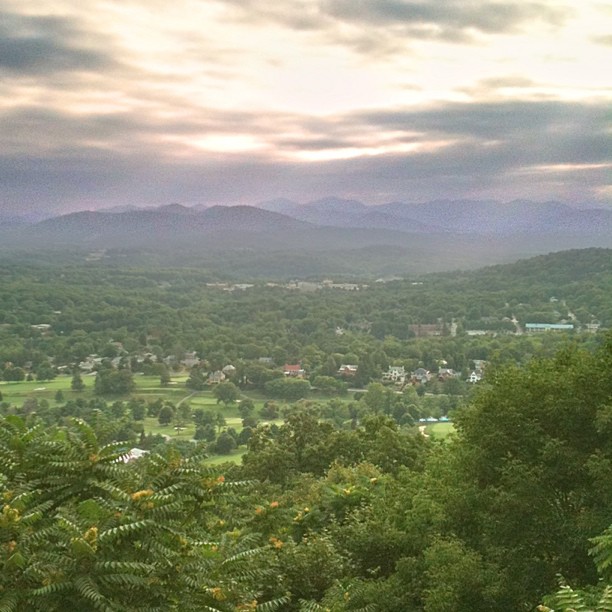
A view from tonight’s private salon.
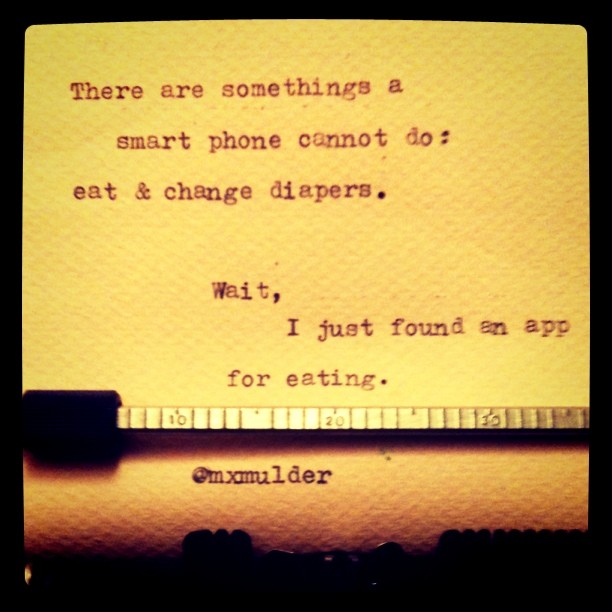
Typewriters are not smartphones; no autocorrect, no spellcheck, no batteries, completely analog.
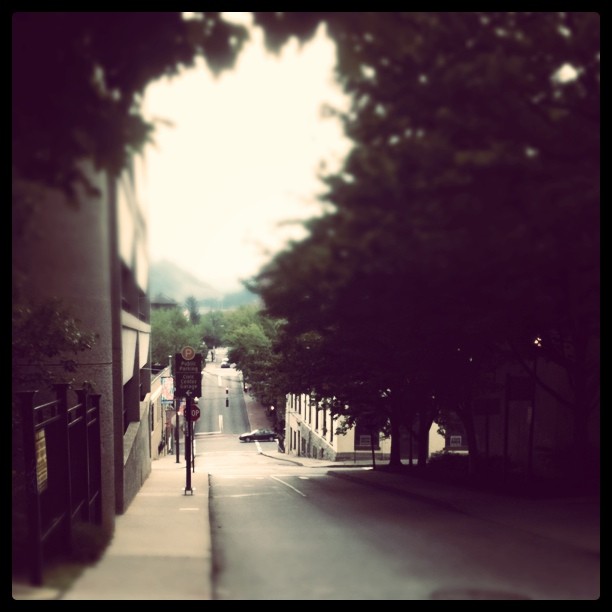
Downtown #AVL before the city awakes to the bustle of commerce.
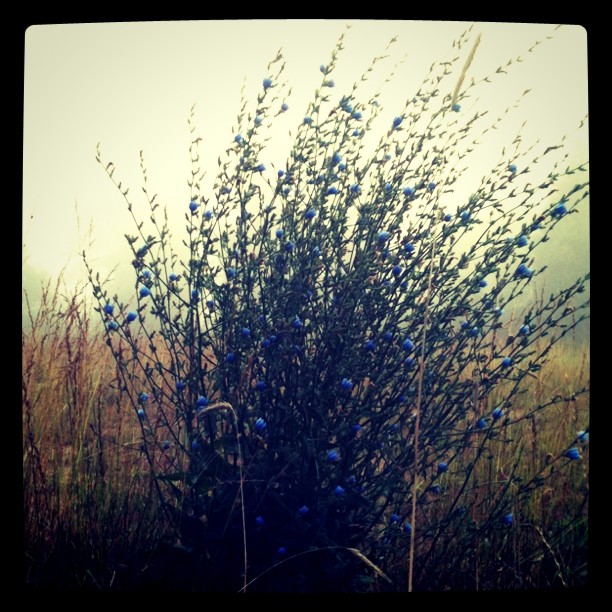
This thing of beauty I see in the morning fog.
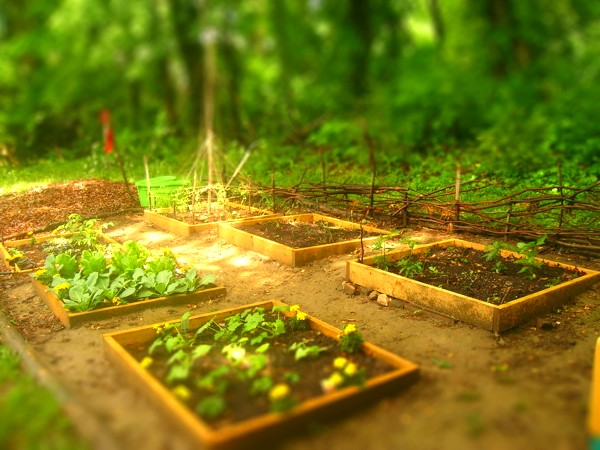
All six garden beds are in and mostly full. A couple more tomato and pepper plants would be a nice addition. Plus I’m waiting for the kale and chard to mature enough to put them in the ground.
The lettuce leaves are big enough to pull a couple for a sandwich a couple of nights ago.
Only thing that’s a bit annoying is how the slugs seem to attempting to take over the southeastern corner of the garden. Two techniques to organically get rid of unwanted snails include beer and salt. First I’ll try the beer bait first. If the slugs persist, I’ll use salt.
The beer technique works like this:
If this doesn’t curb the invasion, the next phase of attack is salt.
New feet within my garden go,
New fingers stir the sod;
A troubadour upon the elm
Betrays the solitude.
—Emily Dickinson, “The Garden”
Unlike the poem, the troubadour is a male cardinal and the tree is an red oak. And no, I didn’t color coordinate the bird and tree. Actual bird and tree reside on or near the location of the garden. A cardinal couple made their home east of the garden project and routinely perch on a lower limb of the red oak tree and comment on my gardening progress.
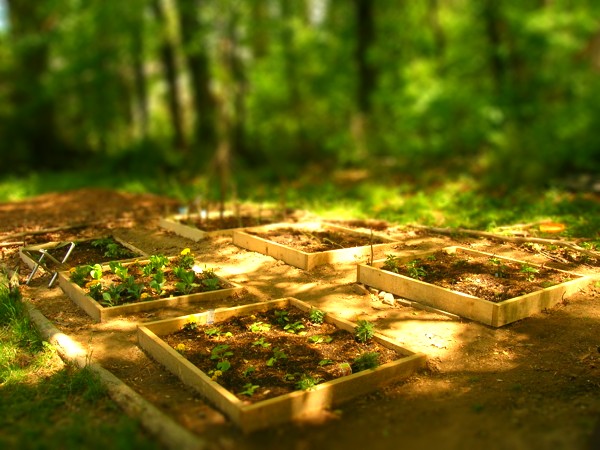
At this point, all six garden boxes are built, soil turned, topsoil added and plants planted. Plants yet to plant include chard and kale and a couple blueberry bushes. The blueberry bushes will go in the northwest corner.
The garden receives at least six to eight hours of direct sunlight each day, but not until after noon. On an early morning in late April the sunlight provides dappled shadows on the garden. By May, the surrounding trees are in full green dress and the garden remains in full shade until noon.
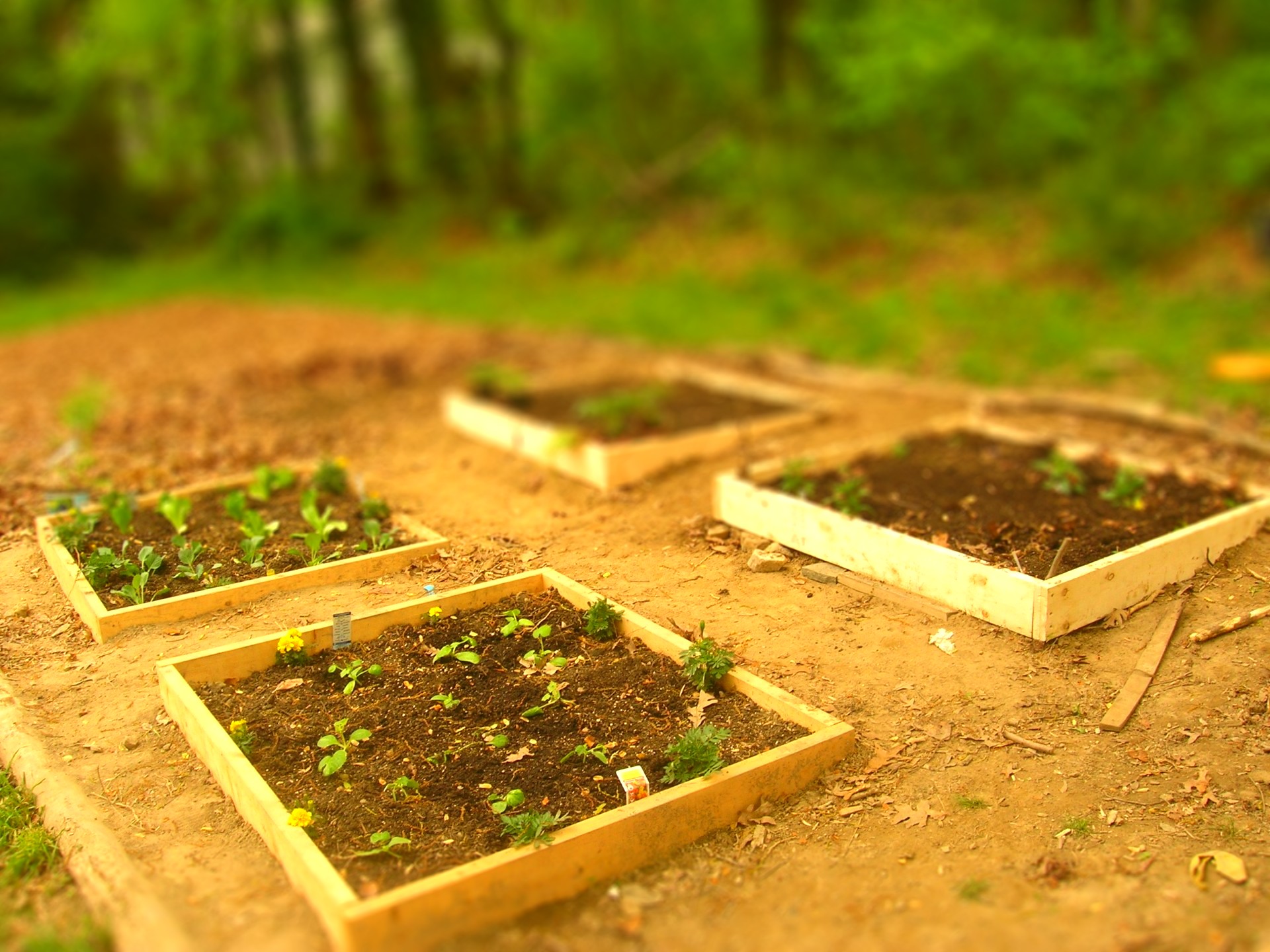 The garden project revealed something very obvious the other weekend; I really underestimated is the slope of the land. Two more boxes were built on the east side of the garden; otherwise known as the top of the garden. Each box is level, but east boxes are almost six inches higher than the west boxes. At this point, the only thing that’s in the ground are cucumbers, cabbage, lettuce and some assorted plants that lost their labels (I’ll know what I planted later this year from the fruit they yield).
Initially, the idea in my head was terrace gardening, but a challenge presented itself. Mainly this, more lumber is required for proper terracing of a slope. I suppose I could use stone for terracing a slope, but the transportation costs of delivering stones exceeds my budget. So, with limited resources, I maintain the raised bed/container gardens strategy, but have to build the boxes into the slope in such a way that each box varies in elevation from two inches to six inches. From the southeast corner to the northwest corner is a difference of almost a foot. And remember, the goal is six garden boxes.
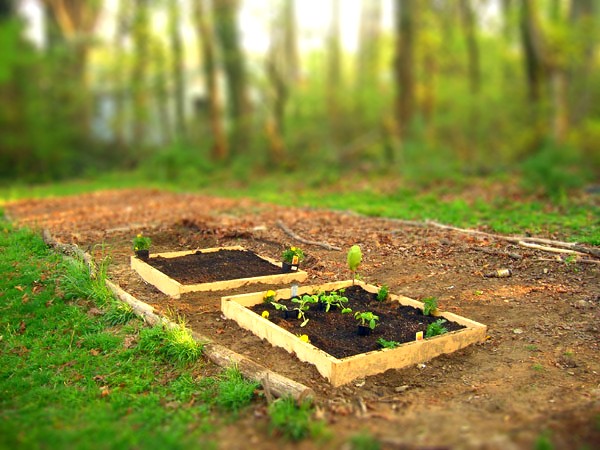
The last few weeks have been chaotic and I’ve had a challenge focusing on the garden project. The goal is to build six wood container boxes. But my weekly lumber allowance disappeared rather quickly; cost more over $17 to build two 4’x4′ boxes. The other challenge is the composting I did in the fall of ’09 only filled one box. So know I have to spend a few extra dollars purchasing topsoil.
Since I don’t own a motorized tiller, I resorted to a very old method of preparing the soil for planting. The New Self-sufficient Gardener by John Seymour offers an old English tradition for raised beds preparation. Basically, get a spade and dig down 6 to 10 inches and flip, or turn, the soil. After turning the soil in each box, I used a garden weasel tool to break up the soil even more. Finally, I added about two to three inches of topsoil before I began planting marigolds around the perimeter of the box. One source I read stated that marigolds provide an organic pest repellent. This is the first year I’ve used marigolds in the garden.
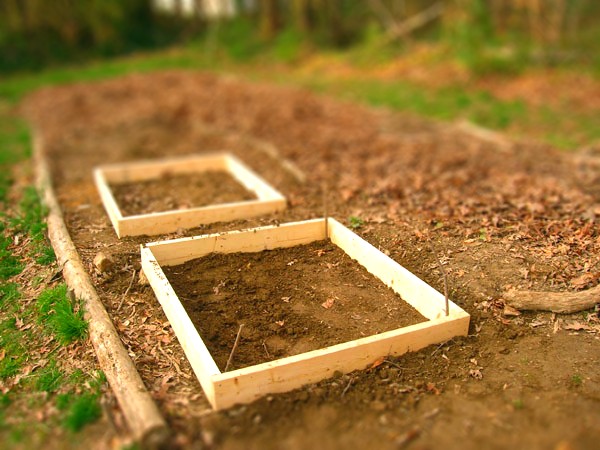
The last couple of years the garden project goals have been simple: spend less than $100 on garden supplies (seeds, plants, etc.), use native or found materials (like creek stones or fallen, dead wood from local trees to make garden borders) and avoid using pesticides or herbicides (with the exception of natural, organic pesticides like cayenne pepper, ground cinnamon & the like).
This year I took the liberty to construct garden boxes with the goal of making raised bed/container gardens. The garden boxes are made from 2″x6″ pine boards and measure four feet square.
I began the garden project in April.
I’m using a variety of sources to put together this year’s garden project. But the primary gardening strategy handbooks I use include Trowel & Error by Sharon Lovejoy and The New Self-sufficient Gardener by John Seymour.
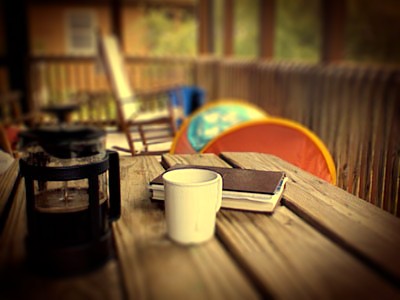
yes… i my new, cheap coffee press… & other morning accouterments…
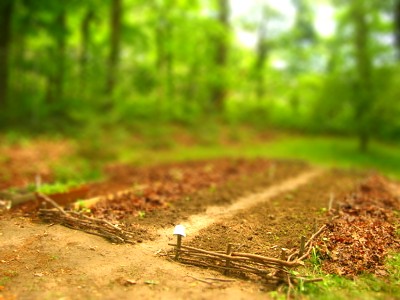
the south patch : containing cherry tomatoes, peppers (bell, jalapeno, cayenne & bannana), cabbage & spinach…
 Coffeehouse Junkie