Category: poetry
What did I write?
What did I write that got some much traffic?
A few weeks ago I noticed that the traffic on my blog spiked due to a post I wrote a year ago: “Advent Poems (or the 12 days of Christmas poetry)”.[1] At first, I thought it was a fluke, but for weeks now many of you have visited this blog. Many thanks! And I hope the Advent Poems are a blessing and encouragement to you this year.
Also, feel free to look around and enjoy other poetry related blog posts.
Thanksgiving by Ralph Waldo Emerson
Thanksgiving
By Ralph Waldo Emerson
For each new morning with its light,
For rest and shelter of the night,
For health and food,
For love and friends,
For everything Thy goodness sends.
Day 8 of the November PAD Challenge
The Biltmore Coffee Traders new addition is now open for customers. Willie Nelson singing from the house sound system. Earlier, Van Morrison and Dave Matthews warmed up a chilly, windy but sunny sort of November day as patrons enjoyed gluten-free breakfast cookies and granola bars.
It is day eight of the November PAD (Poem-A-Day) Chapbook Challenge (Details are available on Writer’s Digest website.). Senior Content Editor of the Writer’s Digest Writing Community offers this writing prompt for today: “inanimate object poem.” I have not used the prompts for this challenge. Though I am keeping track of the prompts for later use.
For a gift, I received a limited printing of book on Korean poetry forms. So, the poems composed so far for this challenge have run in a vein of Japanese and Korean inspired forms. Though, to be fair, most of the compositions are corruptions of the poetry forms.
How about you? How has your November PAD Challenge gone so far?
As a bonus, if you want to play along, fill in the blanks with a poem to accompany the images posted above. Next week, I’ll post what I placed in the blanks.
The November PAD challenge begins
It is the first of November, often celebrated as All Saints’ Day. For me, the day started out with cloudy skies and a light drizzle as I walked to Biltmore Coffee Traders.
It is also the first day of the November PAD (Poem-A-Day) Chapbook Challenge (Details are available on Writer’s Digest website.). Senior Content Editor of the Writer’s Digest Writing Community, Robert Lee Brewer, offers this writing prompt: “write an appearing poem.”
It is not necessary to use a writing prompt for the challenge, but it is a helpful tool. How about you? Have you started composing your first poem for the challenge?
November PAD is almost here
Anyone interested in the November PAD (Poem-A-Day) Chapbook Challenge? Details are available on Writer’s Digest website.
It has been awhile since I mentioned the writing exercise I often practice of writing 30 poems in 30 days. A couple of years ago I stopped posting poems on this blog under the advice of a published poet. Poems posted on blogs qualify as “published” and therefore are ineligible to be published in a literary journal or magazine.
So, I started writing poems for friends and others on a manual typewriter and posting the photos—like this short poem for a fellow poet, writer and friend: “Some days all you need.” Or this poem written for the wonderful staff at Dunkin Donuts who always know my order and have it ready for me before I get to the counter: “Never look a doughnut dealer in the eyes.” It is not that I wouldn’t like to get published in a literary journal or magazine, but I really enjoy the process of writing to a specific person or persons.
Due to unemployment followed by new employment challenges, the practice of using the manual typewriter to compose poems ceased due to circumstances I can not share at this point. But I kept composing and writing offline—analog, if you will. In lieu of a manual typewriter, I discovered an app awhile ago. There’s always an app for something, right? During the last month or so, I composed several poem sketches. In the next weeks, I shall share some of these visual poems. Tomorrow, the first one will be posted.
For the month of November I plan to compose a poem a day. Who is with me?
What poets wear
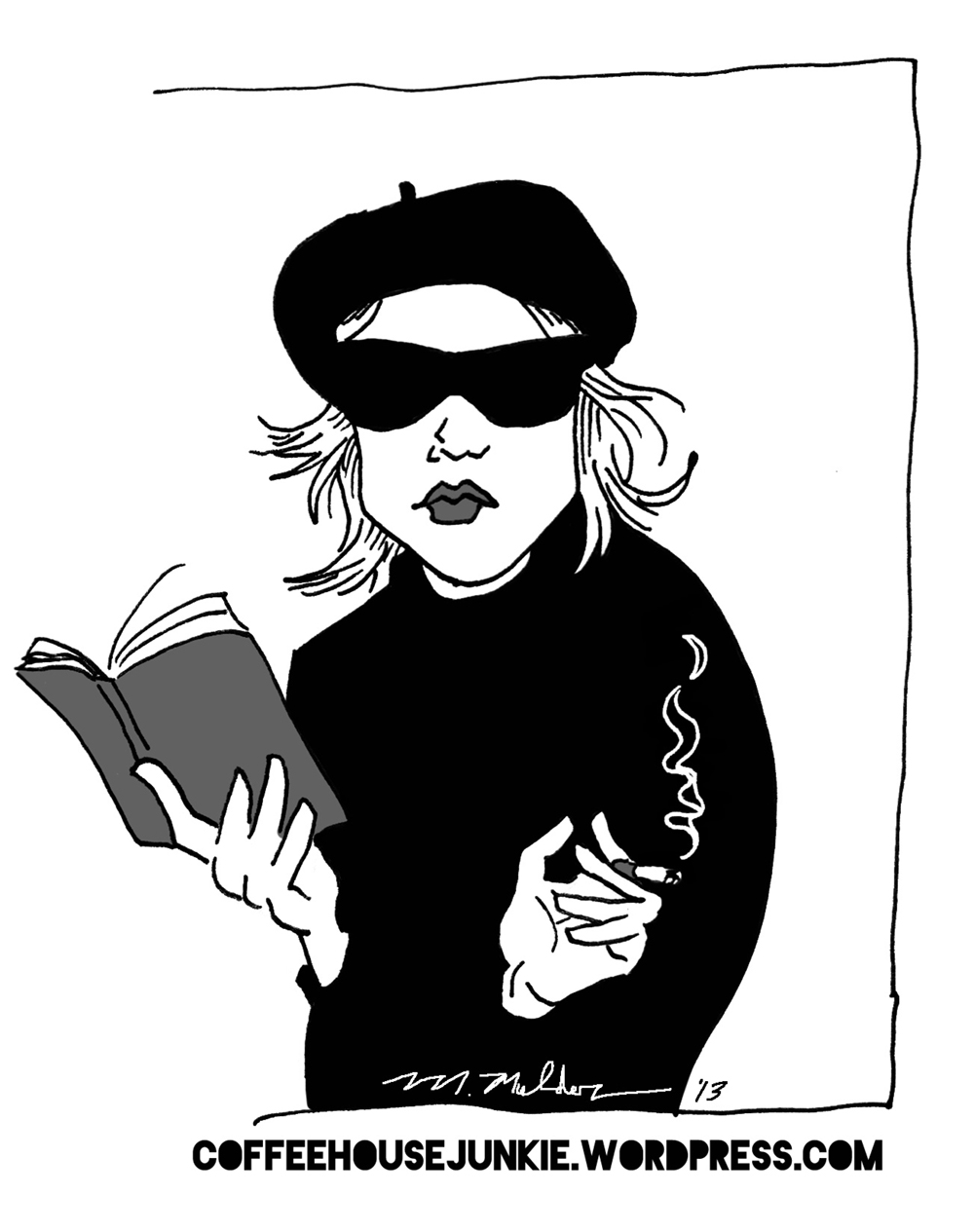
When you think of poets gathering together, what you see? What impression do you have of poets? Do all poets wear black turtlenecks, coordinating berets and dark sunglasses?
There appears to be a cultural impression of poets that promotes stereotype or mythos. Years ago I read a biography of a well established senior poet who was visited by a younger, celebrated poet of the next generation. The long-time partner of the senior poet observed that the younger poet was more enamored by the mythology surrounding the senior poet than the actual, published work of the senior poet. Similarly, our culture seems to have that perception of poets—they are more interesting to observe as an unusual creature of bizarre habits and deviant ways rather than an artist of lyric and verse.
Do you see that as well?
Another aspect to this impression informs young and/or aspiring poets that they need to act or behave in a certain manner because that is what culture dictates—that is how poets are supposed to act. If young/aspiring poets do not participate in the activity of cultural stereotypes, they tend to think that their craft is illegitimate and they will not be taken seriously for their poetry. Further, what impact will this have on the actual art created by young/aspiring poets? Will it change the subject matter of their work? And so on.
Has anyone else observed this?
This weekend I joined some local poets downtown. There were no black turtlenecks or berets worn. Someone did wear a pair of dark sunglasses. And no, it wasn’t me.
What is the first poem you read?
My grandfather often recited “The Raven” to me when I was I child. I memorized portions of the poem before I was able to read it. Once I was able to read “The Raven”, I was fascinated by how different the poem looked in print compared the how I experienced the recited work. Poe became an early favorite poet to my younger self.
The very first poem I read (and enjoyed) in primary school was “My Beard” by Shel Silverstein. Later, in junior high, I read “Chartless” by Emily Dickinson and “If” by Rudyard Kipling. That poem became a constant reminder to me during difficult years in a rural country high school.
The public library in that small village where I lived during those high school days primarily carried poetry books of Robert Frost and John Greenleaf Whittier. Their poems became early favorite poets. The university library was a sacred place once I discovered Edmund Spenser and many other books of poetry.
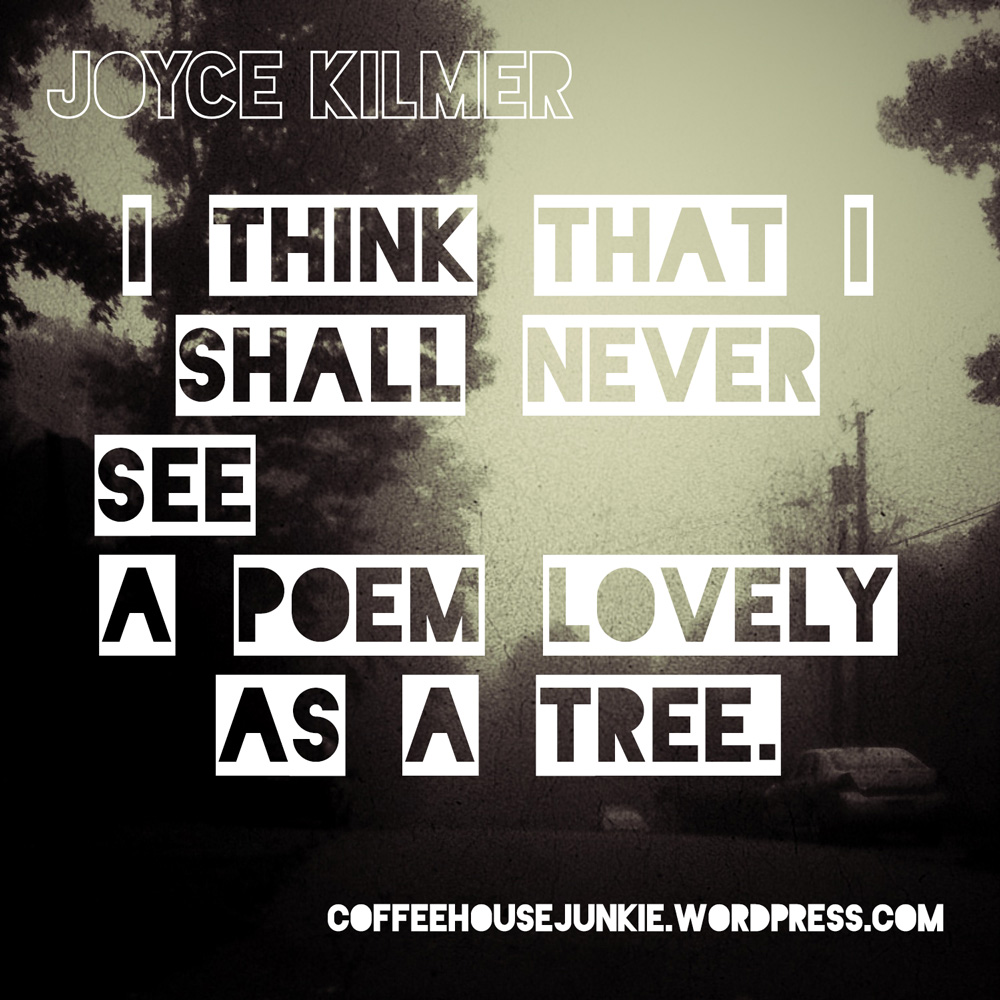
Compared to the small village library, the university library was one of the wonders of the world to my developing mind. “Trees” by Joyce Kilmer is one of my favorite poems of all times. The first book I bought at an antiquarian bookshop had that poem in it. That anthology remains one of my treasured books.
I asked friends on social media a few weeks ago: What is the first poem you read and enjoyed? Here’s a list of some of those poems:
- Margaret Atwood’s “You Are Happy”
- Whitman’s “Song of Myself”
- Edgar Alan Poe’s “The Raven”
- “Stopping by the Woods on a Snowy Evening” by Robert Frost
- “Snowbound” by John Greenleaf Whittier
- “Jabberwocky” by Lewis Carroll
- Wordsworth’s “Daffodils”
- “Trees” by Joyce Kilmer
This is a good selection and variety of poetry and poets. What about you? What’s your story? What is the first poem you read and enjoyed?
Found poem commemorating AVL 100TPC 2013
As promised last week, here is a found poem I constructed based on the poets who read at the Asheville 100 Thousand Poets for Change event.
Poem for 28 September, 2013
Do not wonder when I say it directly to your ear,[1]
“I am writing a letter to my dead sister. . . “[2]
We anticipate the leap into freedom. [3]
We make our vows in the beach dunes. [4]
We need visual signs of healing. [5]
All that remains is the small few. . . [6]
A home where the family never can return. [7]
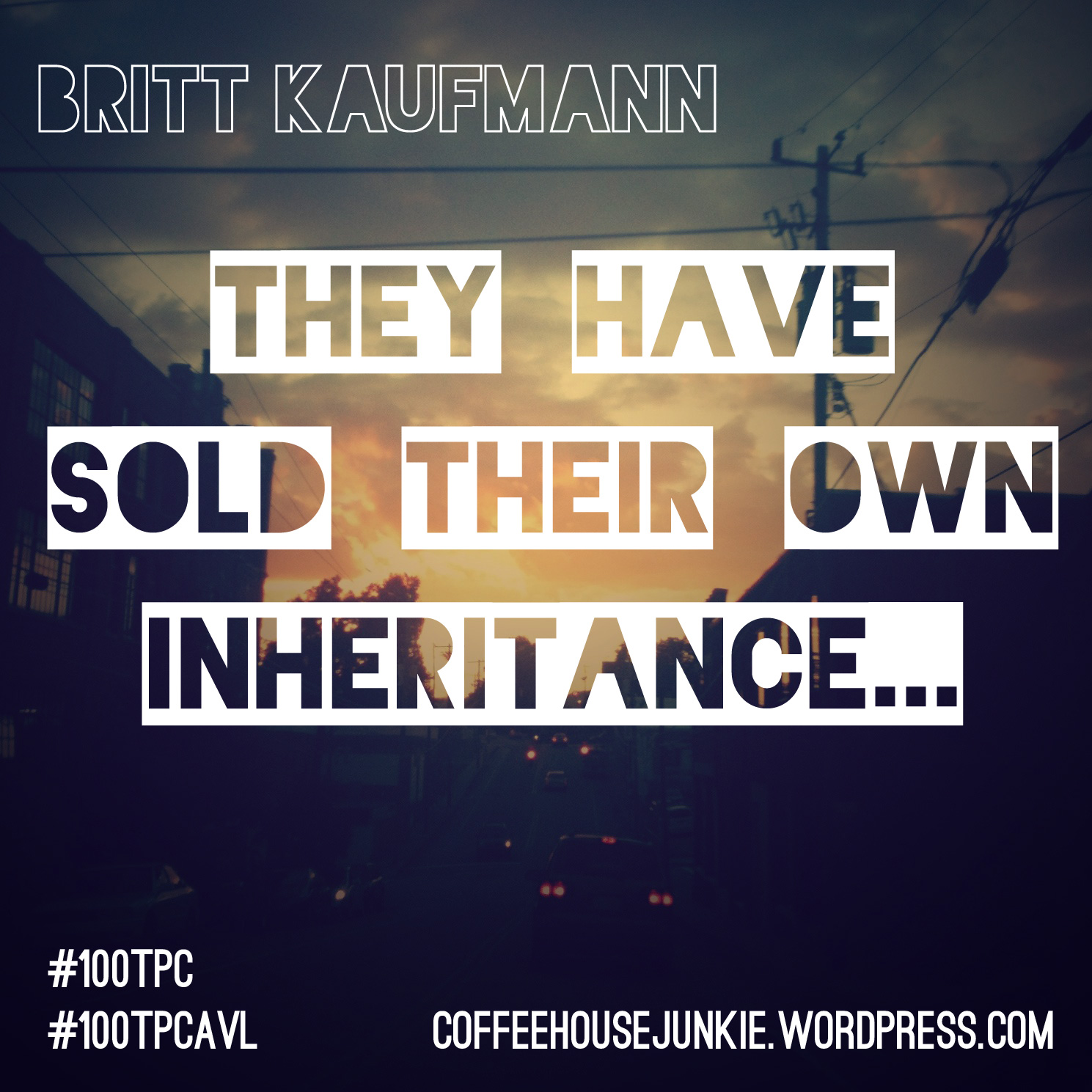
They sold their own inheritance. . . [8]
And must return to the center. . . to learn more. . . [9]
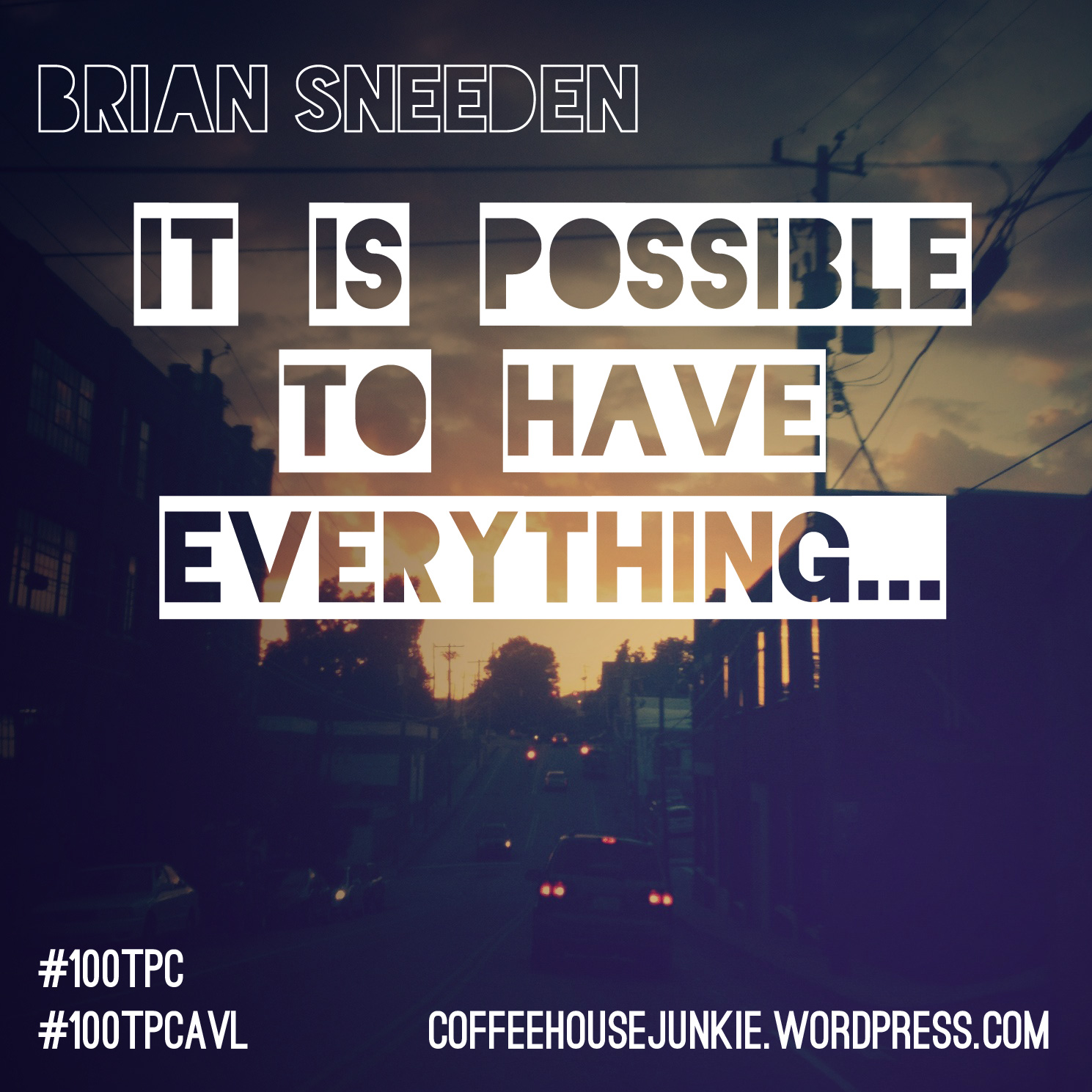
It is possible to have everything. . . or at least twenty dollars. . . [10]
NOTES: Each line in this found poem is from the following poets who read at the Asheville 100 Thousand Poets for Change event on September 28, 2013.
[1] Britt Kaufmann
[2] Barbara Gravelle
[3] Steve Brooks
[4] Jeff Davis
[5] Jessica Newton
[6] Jeff Davis
[7] Caleb Beissert
[8] Britt Kaufmann
[9] Jessica Newton
[10] Brian Sneeden
100TPC Quote Brian Sneeden
100TPC Quote Britt Kaufmann
Barbie Angell – Writer, Poet, Artist, Thinker – Returns to Illinois for a Few Performances
Barbie Angell – Writer, Poet, Artist, Thinker –
Returns to Illinois for a few Performances
Fri 10/4 – 7-11pm “Just Jim” and “Fun Poetry Show”
VFW Cantigny Post 367 Joliet, IL
Mon 10/7 – Salt Creek Wine Bar’s Open Mic – Brookfield, IL
Sat 10/12 – 2pm Downtown Normal Roundabout
“Barbie’s poems are reminiscent of Shel Silverstein, but totally unique to her sensibility. They are infused with a bright spirit, a heart that seeks & explores, and a gentle insight. Even though the poems are about the gamut of human emotions & the subtle twists of perspective that happen with repeated experience, her words are never proselytizing or lofty. Her ‘anthropomorphizing’ of feelings (‘irony tastes like fudge’) is quirky & engaging. I imagine children & adults both will revel in her work—both her poetry & her wonderful drawings”
~ Rosanne Cash
Barbie Angell is a poet, short story writer, satirist…
View original post 541 more words
100TPC Quote Caleb Beissert
100TPC Quote Jessica Newton
100TPC Quote Barbara Gravelle
100TPC Quote Jeff Davis
100TPC Quote Steve Brooks
Thanks Asheville Poets and 100 Thousand Poets for Change
A big thank you to Susie and Lance for hosting the event at the Sly Grog Wine & Beer Lounge located in The Downtown Market Asheville. Especially since 100 Thousand Poets for Change Asheville event ran a bit longer than scheduled.
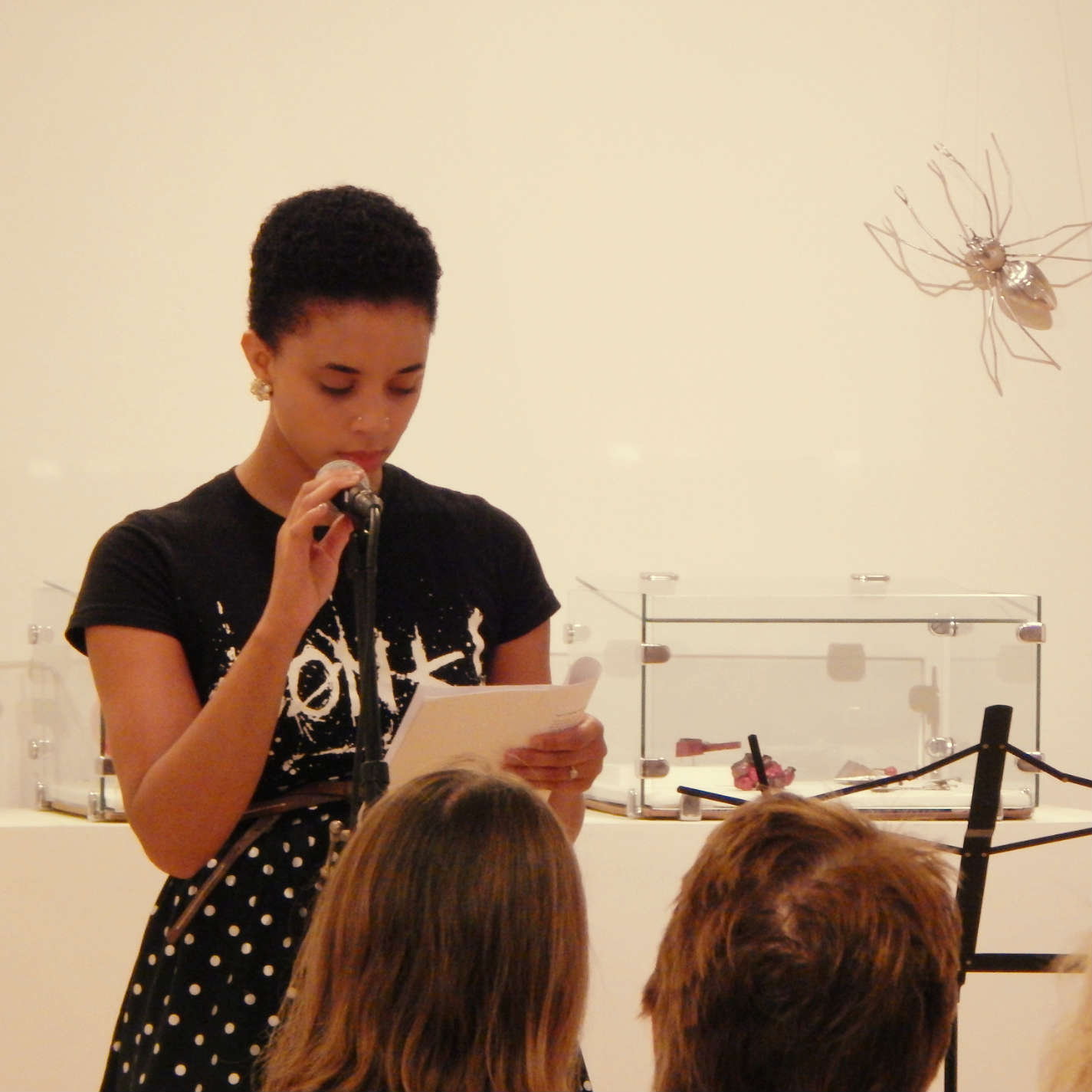
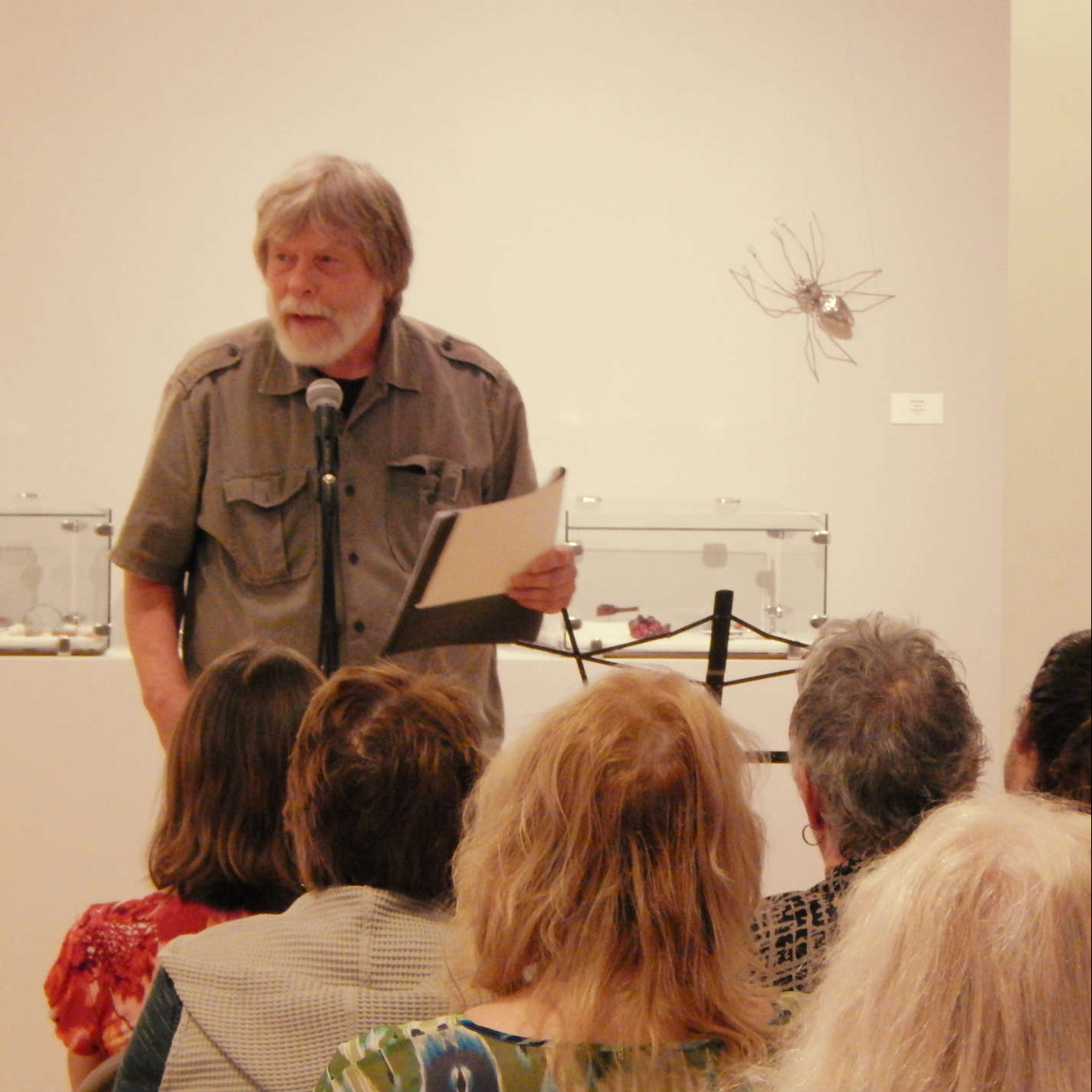
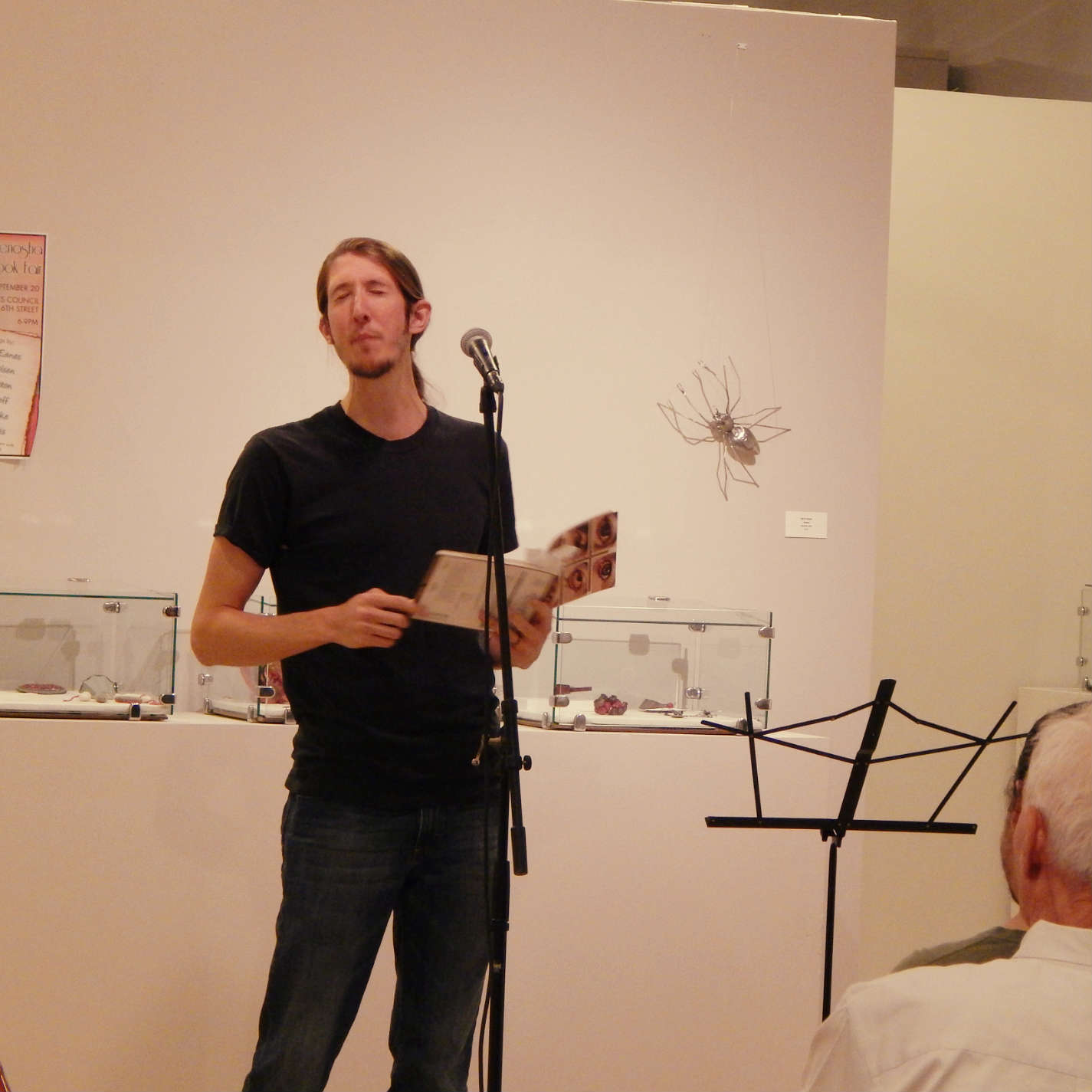
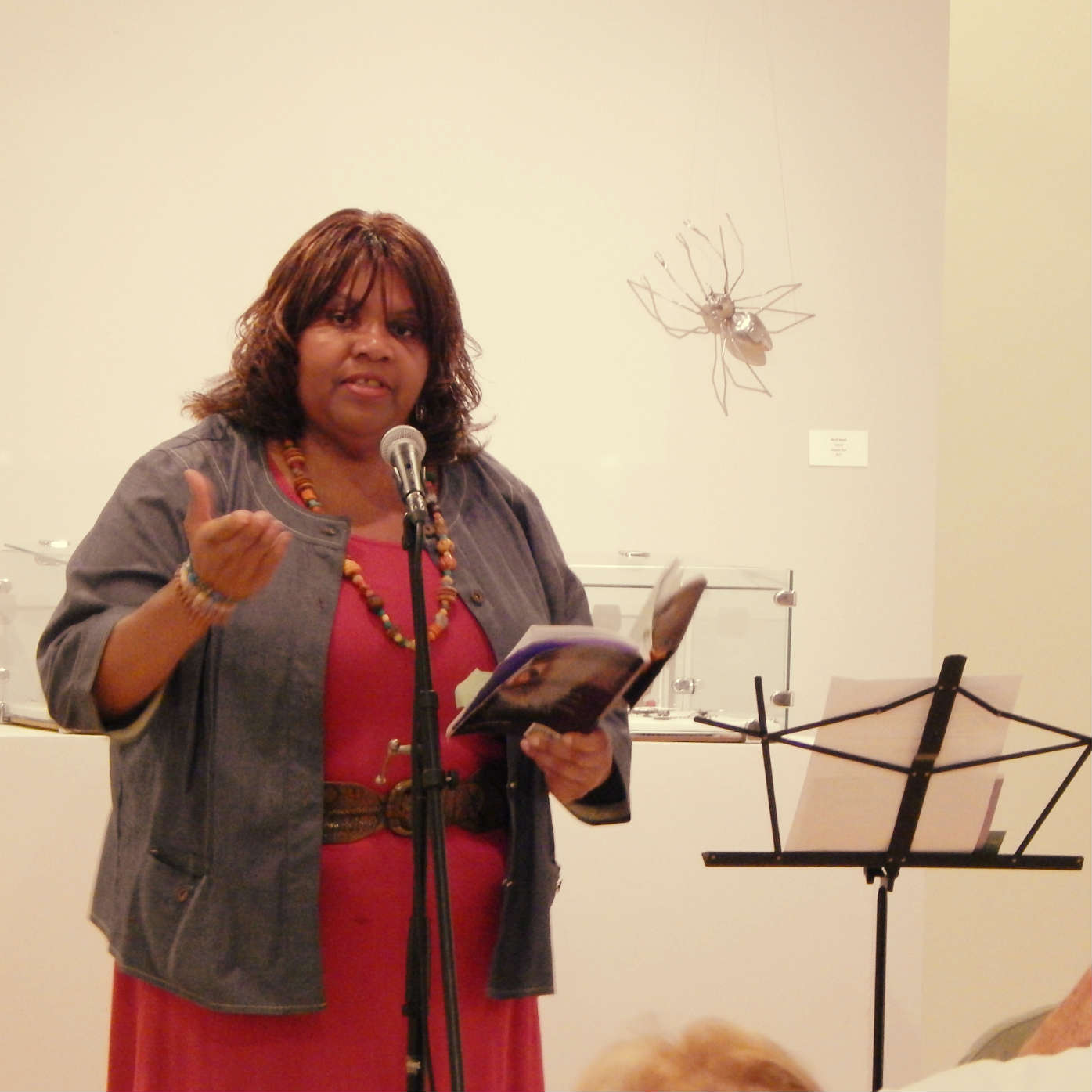
Thanks again to all the poets who participated: Caleb Beissert, Steve Brooks, Jeff Davis, Barbara Gravelle, Britt Kaufmann Jessica Newton and Brian Sneeden. And to those who joined the event and read after the featured poets: Alice, Ashley, Chuck, Lance and Susie.
An audio recording was captured of the event. Details regarding that will be forthcoming. Also, a found poem will be featured on this blog later this week to commemorate the event and poets who chose to affect change in Asheville in beyond.
Thanks to the Battery Park Book Exchange & Champagne Bar for hosting the after party. And thanks to the Rankin Vault Cocktail Lounge for hosting the after-after party.
Special thanks to Michael Rothenberg and Terri Carrion for establishing 100 Thousand Poets for Change (read more about 100TPC here) and helping me track down the elusive bagpiper (in side joke… you’ll have to read my Twitter feed to get it).
Saturday, Sept. 28, Asheville, 100 Thousand Poets for Change
Tomorrow night, Asheville’s 100 Thousand Poets for Change event invade Sly Grog Wine and Beer Lounge (The Downtown Market, 45 South French Broad Avenue, Asheville, North Carolina). The Asheville event will be held Saturday night, September 28, 2013, from 7 PM – 9 PM. Featured poets and their bios are listed below. Please note: after the featured poets read, there will be time for you to read you poem. Bring your poem and join 100 Thousand Poets for Change in Asheville, NC.
Here are short bios of the featured poets:
Caleb Beissert is a poet, translator, and musician from Washington, D.C., living in Asheville, NC. His work has appeared in numerous literary journals, and his book Beautiful: Translations from the Spanish was published by New Native Press in 2013. Beissert hosts an open mic at Vanuatu Kava Bar and produces the monthly reading series “Poetry at the Altamont” in Asheville.
Steve Brooks a poet and author of Philip Blanc in San Francisco (Panjandrum Press, 1972), The Dancer in the Heart (Philos Press, 2001) and his latest collection of poems, Essential Occupation. He currently resides in Asheville, North Carolina.
Jeff Davis is a poet, host of the radio show “Word Play” (now on AshevilleFM.org) and author of Transits of Venus (2005) and Natures: Selected Poems, 1972 – 2005 (2006). He serves as director of MadHat, Inc., teaches in UNCA’s Great Smokies Writing Program and co-hosts the monthly “Poetry at the Altamont” reading series in Asheville.
Davon Dunbar,14 , was a member of the winning Asheville Wordslam Middleschool team two years running and is now a freshman at SILSA, a member of the spoken word poetry club, and local poetry slam competitor.
Barbara Gravelle, author of several poetry books including, Keepsake, Dancing the Naked Dance of Love, and her latest collection of poems, Poet on the Roof of the World.
16-year-old Shanita Jackson lives in Hendersonville and attends Blue Ridge Early College. She is a two-time member of Asheville’s Brave New Voices team, has won too many youth poetry slams to list here, and is a co founder of Soulspeaker, a youth-centered and youth-driven local organization devoted to youth spoken word poetry.
Britt Kaufmann lives in Burnsville with her husband and three children. She has written one chapbook of poetry Belonging and two plays: An Uncivil Union: the Battle of Burnsville and Between the Tackles.
Matthew Mulder is a graphic designer and poet living in Asheville. His poetry and prose have appeared or are forthcoming in Crab Creek Review, Small Press Review, The Indie, H_NGM_N, and other publications.
Jessica Newton’s poems have been published in Appalacian Literary Review, Stolen Island Review and Colere. She sees poetry as an engine that’s fueled by change on an individual level. A WNC native and graduate of UNC-Asheville, she lives in Candler.
Brian Sneeden has produced, designed or written for more than a hundred theatrical performances. His poems and reviews have appeared or are forthcoming in a variety of journals, including Beloit Poetry Journal, Ninth Letter, Third Coast, Asheville Poetry Review and other publications. He is the current Poetry Editor at Meridian.
Use the hashtag #100tpcAVL when sharing details about Asheville’s 100 Thousand Poets for Change event.
Is poetry dead? or can poetry matter?
Earlier this year a quiet and quite active discussion took place in a small corner of the public square. It began with Alexandra Petri’s article “Is Poetry Dead?” [1] John Deming immediately responded with an “Open Letter to Alexandra Petri.” [2] A Few days later, Richard Higgs tossed the question to a group of poets and writers. [3] The topic was actively discussed for months.
Alexandra Petri asked “Is poetry dead?” Referencing Richard Blanco, she writes, “. . . poetry, a field that may very well be obsolete.” She continues:
I say this lovingly as a member of the print media. If poetry is dead, we are in the next ward over, wheezing noisily, with our family gathered around looking concerned and asking about our stereos.
In her article she offers some harsh yet reasonable analysis: “These days, poetry is institutionalized. Everyone can write it. But if you want a lot of people to read it . . . there are a few choked channels of Reputable Publications.”
John Deming immediately replies to this “attack on American poetry” by stating that there are more than “2,000 books of poetry are published each year in the U.S.” He did not reveal where he got that number, but I suspect much of those poetry books are independent or small press publications. Further, knowing intimately how the publishing business works, I suspect that the majority of those poetry books published do not exceed press runs of more than 500 copies. With all due respect to Mr. Deming, his open letter is more a reaction to Ms. Petri’s article and less a defense of American poetry’s life (or death). He does offer a pointed question for both Ms. Petri and for poets: “. . . what kind of ‘change’ [do] you mean. Literal political change?”
Can poetry effect change?
Years ago Dana Gioia asked “Can Poetry Matter?” in his essay published in The Atlantic Monthly [4] [5] I will not go into a lot of detail about his essay because I do not want to spoil his conclusion, but I do encourage you to read it. Mr. Gioia’s question is a better question than Ms. Petri’s. Introducing great poetry in school is part of the equation as well as encouraging the love of reading books to children. Mr. Gioia offers other ways to promote the reading of and love of poetry. The Academy of American Poets published a report years ago that stated that adults who purchase and read poetry books were introduced to poetry at an early age.
Alexandra Petri does present some valid concerns. Like Ms. Petri, I have attended poetry readings where “the attendees were almost without exception students of the poet who were there in the hopes of extra credit.” For that matter, I’ve been that poet (like Charles Bukowski) [6] reading to an audience of “. . . friends, . . . other poets / and the handful of idiots who have wandered / in / from nowhere.” Mr. Deming makes some equally valid points that poetry is “far from obsolete . . .” As someone in the publishing industry I know that poetry books do sell, but not as well as fiction or non-fiction. But lack of book sales revenue does not mean that poetry books are not effective or revolutionary. How many memoirs or novels have you read that feature a few lines of poetry as an epigraph printed at the beginning of the work?
I am convinced that there is a large audience of people that do not know that they enjoy poetry. They have to be introduced to great poetry. The fact that the August 31, 2013 issue of the New York Times featured a large front page photo of the poet Seamus Heaney (printed above the fold in contrast to a small photo of the President of the United States below the fold) testifies to the relevance of poetry in America. [7] Can poetry effect change? The poem “The Names” by Billy Collins was read before a special joint session of Congress in 2002 commemorating the victims of 9/11. [8] Can poetry matter? These are just two examples that attest to it’s impact (if ever so little) in our culture.
NOTES: [1] Alexandra Petri, “Is poetry dead?,” The Washington Post ComPost, January 22, 2013, accessed January 29, 2013 http://www.washingtonpost.com/blogs/compost/wp/2013/01/22/is-poetry-dead/
[2] John Deming, “Open Letter to Alexandra Petri,” Coldfront Magazine , January 22, 2013 accessed January 29, 2013 http://coldfrontmag.com/news/open-letter-to-alexandra-petri?goback=%2Egde_1651527_member_208175181
[3] Richard Higgs, “Is poetry dead? Washington Post blog article, and a brilliant response,” LinkedIn Poetry Editors & Poets Group, January 25, 2013, accessed January 29, 2013 http://www.linkedin.com/groups/Is-poetry-dead-Washington-Post-1651527.S.208175181?qid=64a426de-d879-42c3-b90d-5c25b99fe691&trk=group_most_popular-0-b-ttl&goback=%2Egde_1651527_member_208175181%2Egmp_1651527
[4] The Atlantic Monthly; May, 1991; “Can Poetry Matter?”; Volume 267, No. 5; pages 94-106.
[5] Dana Gioia, “Can Poetry Matter?,” The Atlantic Monthly, May, 1991, accessed January 29, 2013 http://www.theatlantic.com/past/docs/unbound/poetry/gioia/gioia.htm
[6] Charles Bukowski, “poetry readings,” The Writer’s Almanac, September 11, 2008, accessed January 29, 2013 http://writersalmanac.publicradio.org/index.php?date=2008/09/11.
[7] “The New York Times pays tribute to Seamus Heaney,” TheJournal.ie , August 31, 2013, accessed September 25, 2013 http://www.thejournal.ie/new-york-times-seamus-heaney-1063056-Aug2013/
[8] “Poet Billy Collins Reflects on 9/11,” PBSNewsHour, accessed September 25, 2013 http://www.poetryfoundation.org/features/video/301
This week in Asheville, 100 Thousand Poets for Change

Just a few more days until the Asheville 100 Thousand Poets for Change event!
Join Caleb Beissert, Steve Brooks, Jeff Davis, Davon Dunbar, Barbara Gravelle, Shanita Jackson, Britt Kaufmann, Matthew Mulder, Jessica Newton and Brian Sneeden at Sly Grog Wine and Beer Lounge (The Downtown Market, 45 South French Broad Avenue, Asheville, North Carolina), Saturday, September 28, 2013, 7 PM – 9 PM.
Asheville Poets represent 100 Thousand Poets for Change
Here is your official invitation to join a global event called: 100 Thousand Poets for Change.
The Asheville event will be held September 28, 2013, 7 PM – 9 PM at Sly Grog Wine and Beer Lounge (The Downtown Market, 45 South French Broad Avenue, Asheville, North Carolina). Featured poets include: Caleb Beissert, Steve Brooks, Jeff Davis, Davon Dunbar, Barbara Gravelle, Shanita Jackson, Britt Kaufmann, Matthew Mulder, Jessica Newton and Brian Sneeden.
Use the hashtag #100tpcAVL when sharing details about Asheville’s 100 Thousand Poets for Change event.
For more information, or if you have questions, please leave a comment. Thanks!
UPDATE: Here’s a PDF file of the event poster for 100 Thousand Poets for Change Asheville event next week. Download here: 100TPC AVL Poster.
100 Thousand Poets for Change – Asheville
With 11 days to go before the global event, the Asheville event planned in coordination with 100 Thousand Poets for Change (100tpc.org) will feature many local poets. Sly Grog Wine and Beer Lounge will host the event September 28th, 7PM – 9 PM. More details will be presented later this week.
An audience of one
What do you mean by audience of one? one reader replied to “Keep calm and write something.” He is referring to how I concluded a blog post: “If I have an audience of only one, that is sufficient.” So, what does that mean, an audience of one? …
[read more]
UPDATE: This blog post is available as part of an audio podcast.
Listen now:
Or listen on:
PodOmatic: coffeehousejunkie.podomatic.com
SoundCloud: soundcloud.com/coffeehousejunkie
E-book: This blog post will be featured in a forthcoming e-book. More details coming soon.