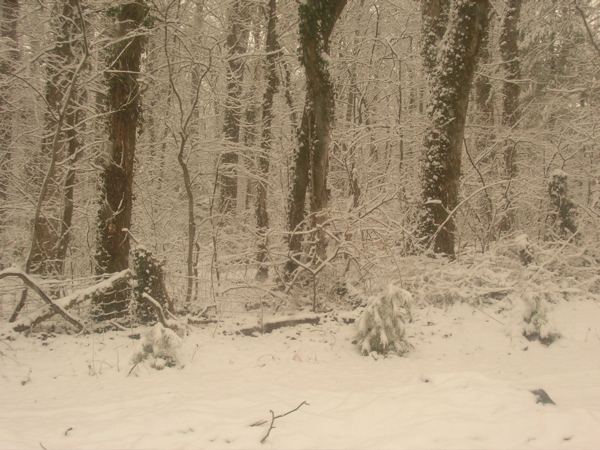
snowfall, viewed from the east wing of the estate…
Verona De Tessant: Burt, are we f***-ups?
Burt Farlander: No! What do you mean?
Verona De Tessant: I mean, we’re 34…
Burt Farlander: I’m 33.
Verona De Tessant: …and we don’t even have this basic stuff figured out.
Burt Farlander: Basic, like how?
Verona De Tessant: Basic, like how to live.
Burt Farlander: We’re not f***-ups.
Verona De Tessant: We have a cardboard window.
Burt Farlander: [Looks at window] We’re not f***-ups.
Verona De Tessant: [Whispers] I think we might be f***-ups.
Burt Farlander: [Whispers back] We’re not f***-ups.— from the film Away We Go
I bought a decaffeinated coffee table, you can’t even see a difference.
Author Unknown (via coffeechat)
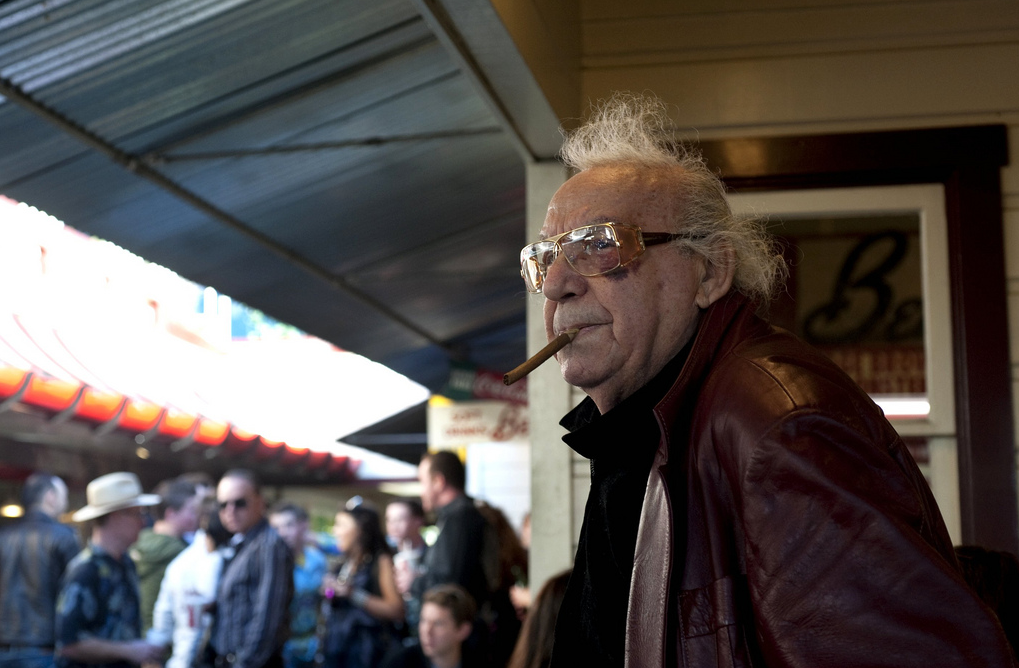
some day, i’m going to grow up & look like this hipster… (via lteagarden)
Wie trinkst du deinen Kaffee? How do you like your coffee?
– schwarz (black)
– mit Milch (with milk)
– mit Zucker (with sugar)
– mit Süßstoff (with sweetener)
Ich trinke meinen Kaffee gerne schwarz mit Süßstoff und manchmal auch mit Milch. Mmmh. Lecker.
(I like to drink my coffee black with sweetener and sometimes with milk, too. Mmmh. Yummy.)
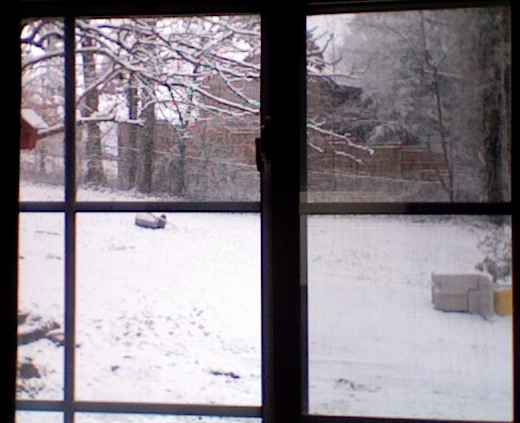
Asheville – 29 jan 2010
Earlier this week we did a post on a printed piece created by British design firm Spin that details the top 10 books from 50 major figures in graphic design.We sorted through the 500 listed books and found that there were 14 books that appeared in almost every list.
Here’s the list in no particular order:
01. A Designer’s Art Paul Rand
02. Typographie Emil Ruder
03. Mode en Module Wim Crouwel
04. A History of Graphic Design Phillip Meggs
05. Jan Tschichold: Typographer Ruari McLean
06. Design as Art Bruno Mari
07. 8vo: On the Outside Mark Holt
08. Tibor Kalman: Perverse Optimist Peter Hall
09. Weingart: My Way to Typography Wolfgang Weingart
10. Designed Peter Saville
11. How to be a graphic designer with…Adrian Shaughnessy
12. The Tipping Point Malcolm Gladwell
13. Modern Typography: An Essay in Critical… Robin Kinross
14. Envisioning Information Edward Tufte
NOTES:
1) Liz, “Follow up: Spin asks: What are the top ten books you believe designers should read?” accessed January 27, 2010, https://liz.tumblr.com/post/352754770/follow-up-spin-asks-what-are-the-top-ten-books
2) Plaid-Creative, accessed January 27, 2010, http://blog.plaid-creative.com/post/346685665/follow-up-spin-asks-what-are-the-top-ten-books-you (page no longer available, Tumblr account deactivated)
dear tumblr, i really need to quit you.
Clients are the difference between art and design.
Michael Bierut (via soulellis)
special thanks to @malaprops for hosting the poetry reading!
also, thanks to those online friends i got to mirl… nice to finally meet face to face…
I was surprised to look up during the reading & find the cafe full & with people standing in the back!
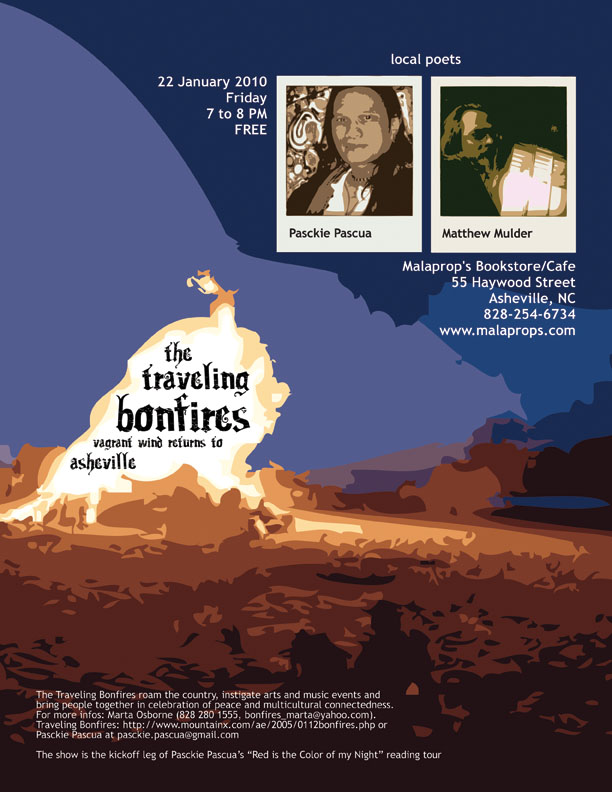
Tonight’s one-hour poetry reading at Malaprop’s Bookstore (55 Haywood St., Asheville, NC) begins at 7 p.m.
I’ll read from 7:00 to 7:30. Here is my set list:
This list is subject to change.
just returned for the celebration singers of asheville’s winter concert. the soloist, a 9-yr old, performed memory from the musical cats! amazing!
ireadintothings: Blogging is the art form of the 21st century. When you’re blogging, you’re doing art. Quote me on this one.
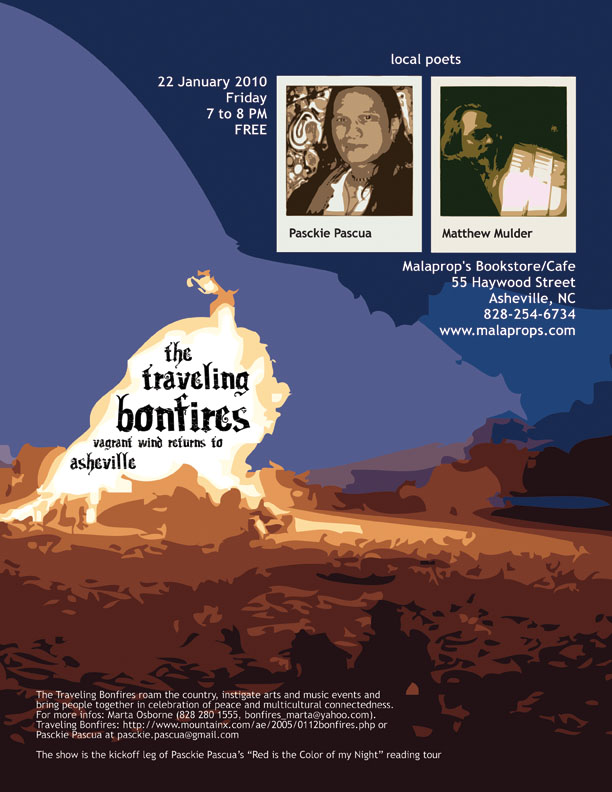
The Traveling Bonfires return to Asheville with a one-hour poetry reading featuring founding members Pasckie Pascua and Matthew Mulder.
Friday, January 22, 2010
7:00pm
Malaprop’s Bookstore/Cafe Street, 55 Haywood Street City/Town: Asheville, NC
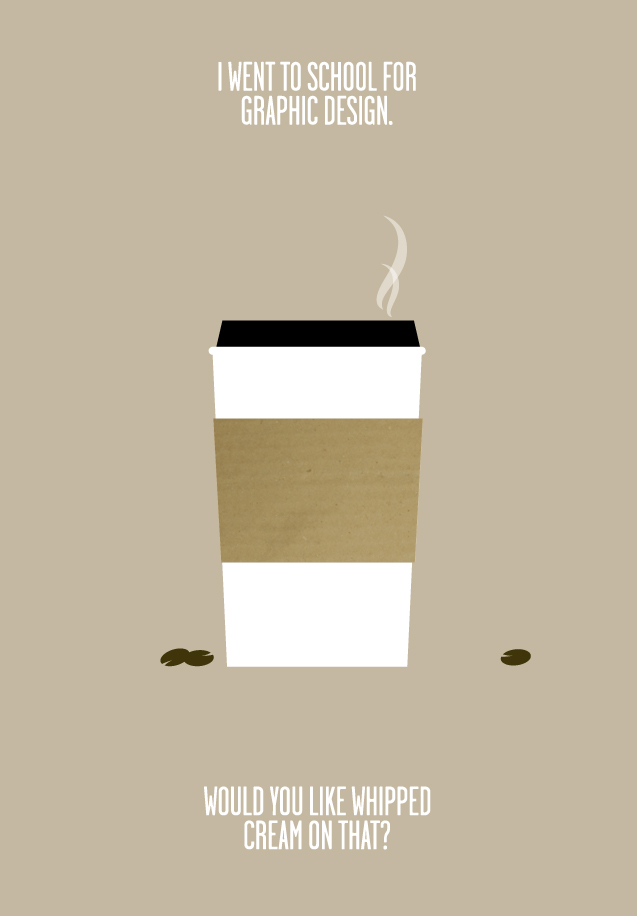
i went to school for graphic design, and did not spend my nights getting drunk. instead, i worked my ass off, spent most of my outside-class time learning/trying/doing as much as possible, and then got an awesome job after graduating.
protip: if you’re lucky enough (and i mean it when i say lucky) to be in college, you should be spending all available time learning, trying, making things, messing things up, experimenting and READING. (seriously. they make sketchbooks with words in them already. they are just called books.)
i didn’t waste a single day. and neither should you. build your momentum and go with it.
for the but-i’m-an-artist’s: you want money? learn a technical skill related to your field and get good at it. then get better at it. jonathan harris built wefeelfine on the weekends while working a full time job. just sayin’.
final note: i had a BLAST in college, and miss it like crazy. working hard does not mean no-fun-allowed, it means relax harder 🙂
orginal image via synecdoche
(via vanseodesign)
i really, really need to quit you… you’re interrupting my work…
Moral #1: “If you work hard, stay focused, and never give up, you will eventually get what you want in life.”
Moral #2: Sometimes the things we want most in life are the things that will kill us.
somedays i miss smoking. then i walk to starbucks, order a coffee & enjoy that burnt java taste. reminds me of unfiltered camel cigarettes.
I am something of a recluse by nature. I am that cordless screwdriver that has to charge for twenty hours to earn ten minutes use. I need that much downtime.
For those who are familiar with my work, is there a poem I wrote that you would like me to read at Friday’s poetry reading at Malaprop’s? Email me at coffeehousejunkie@gmail.com to make a request and I’ll dedicate the poem(s) to you during the reading: http://www.malaprops.com/NASApp/store/IndexJsp?s=storeevents&eventId=433391
putting together my reading set list for Friday’s reading.

