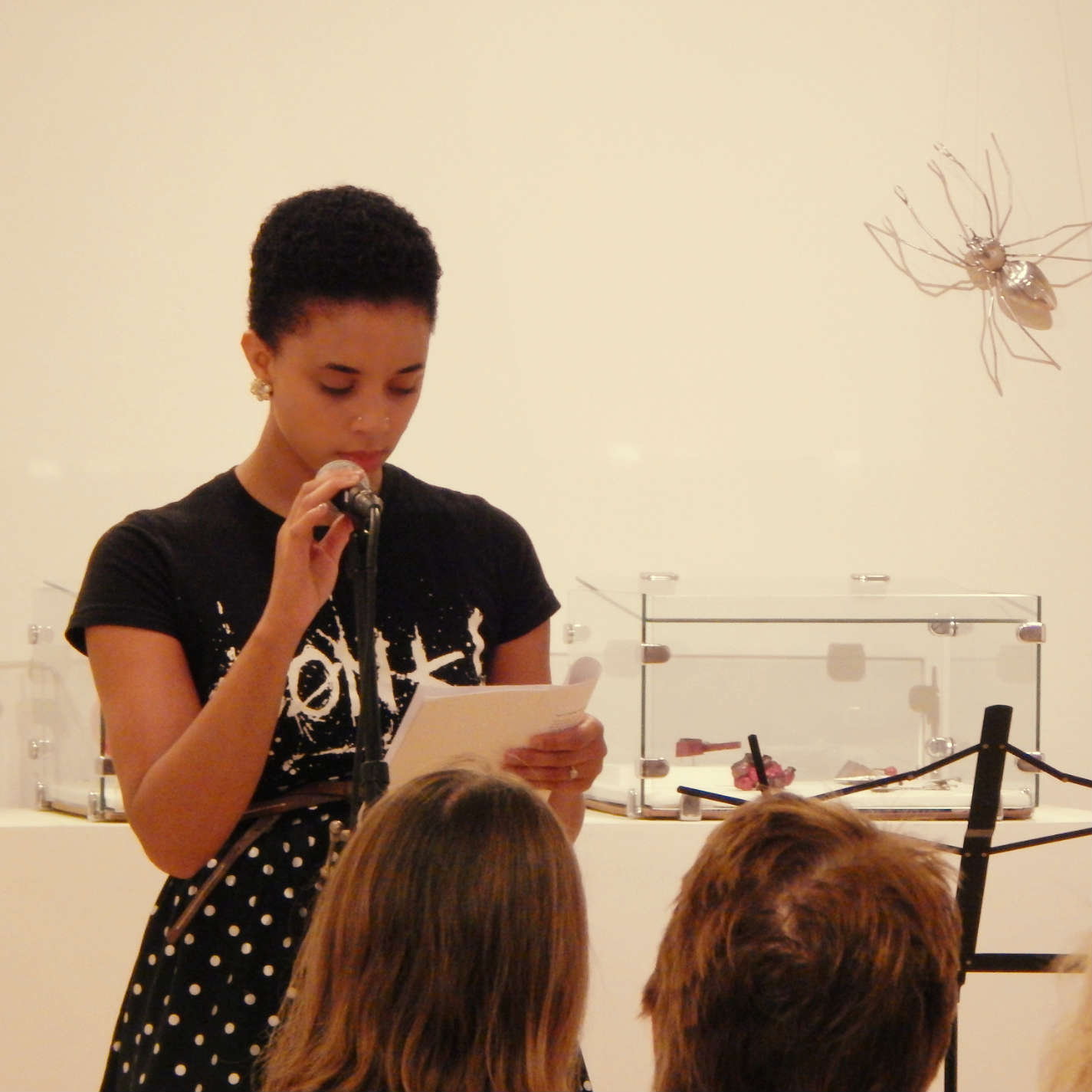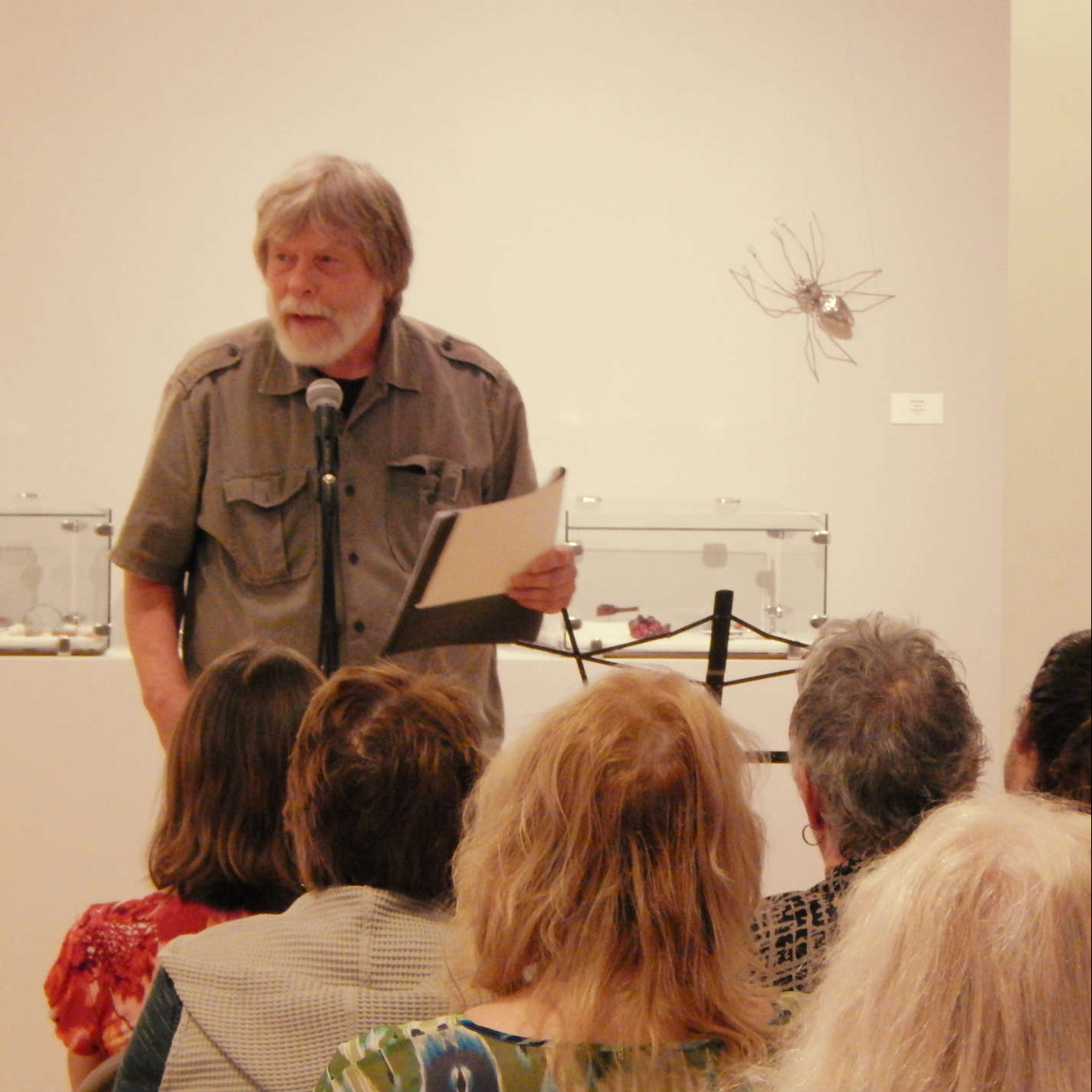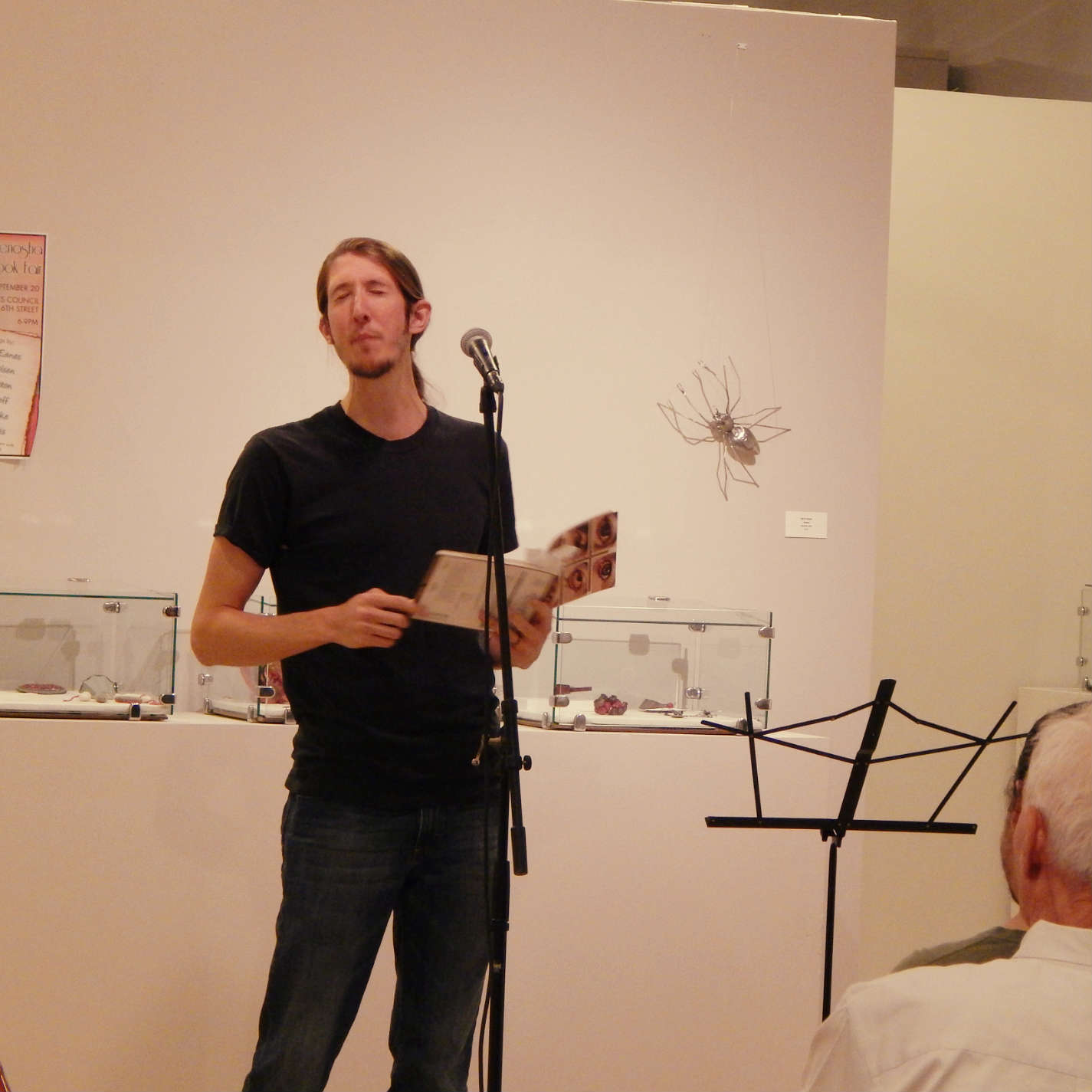
This week is the Annual Poetry Marathon

Woodland Pattern Book Center, 720 East Locust Street, Milwaukee, WI 53212

Woodland Pattern Book Center’s 22nd Annual Poetry Marathon & Benefit is almost here and I have done a horrible job promoting the event.

This is the second time I will be reading poetry at the Woodland Pattern Book Center. If you are so inclined, you may sponsor me as I read poetry during the 9 -10 PM portion of the marathon. Details on sponsorship is here.

Or join the event and hear some of the poets in the area and beyond. Last year, if I recall correctly, some of the poets drove from as far as Madison to read at the marathon. Hope to see you there.

100 Thousand Poets for Change – Racine

100 TPC - Asheville graphic

Two years ago Barbara Gravelle and I helped organize a 100 Thousand Poets for Change event at The Downtown Market Asheville. The evening was memorable on so many levels. Reading poetry with long-time friends and poets, reuniting with other poets and meeting new poets were highlights of that night. It also marked the beginning of a long farewell to my adopted hometown.

A lot has happened in two years. Relocation. New employment. New material written. New material published. And so on.

This year I will join Nick Demske and other Racine, Wisconsin poets at the May’d Ent Buidling for the 2015 100 Thousand Poets for Change global event. The Wisconsin poets and writers in Racine and Milwaukee (and other places in between) are talented and engaged.

Saturday night’s 100 Thousand Poets for Change at the May’d Ent Building (433 Main Street, Racine, WI) should be an exciting event of poetry and more. Doors open 5:30 p.m., but get there early and hangout with new friends.

“We need poets… to fill in the gaps…”

19481_10152918519307804_4016078293905995447_n

Haitian author Dimitry Elias Léger, in a recent interview, said “We need poets, music, literature to fill in the gaps between news reports,…”

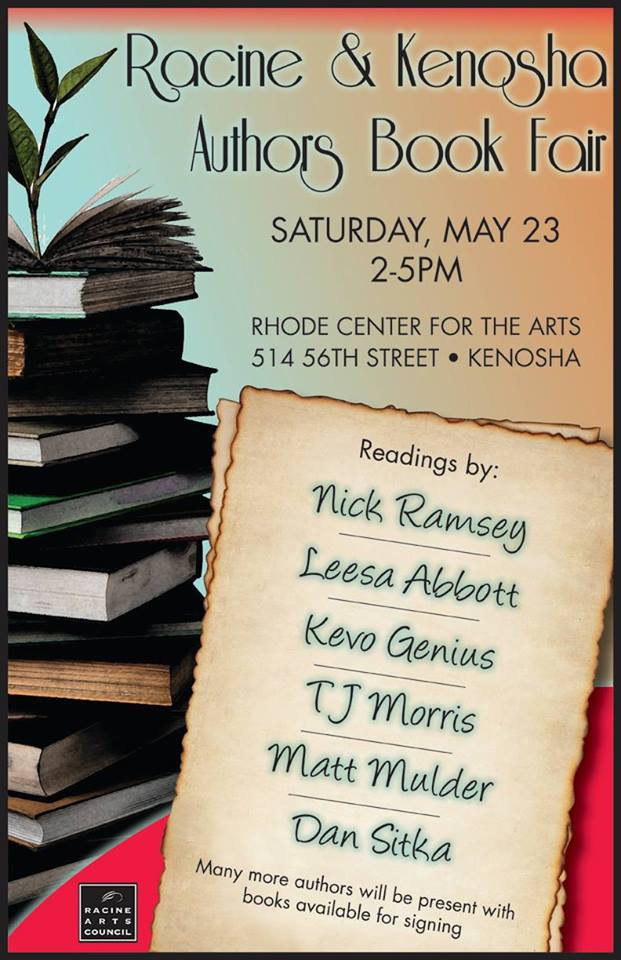
With that in mind, the Racine & Kenosha Authors Book Fair is next weekend, Saturday, May 23, 2015 at Rhode Center for The Arts (514 56th St, Kenosha, WI 53140). The book fair begins at 2 p.m. and concludes at 5 p.m. So you have plenty of time to do your morning errands or yard work,  join me and fellow authors and then spend the rest of the day enjoying Kenosha’s lovely lakefront area with an armful of books by local authors.

Copies of my books will be available for sale (and I will personally sign your copies) and I am scheduled to read at the event. Look forward to meeting you at the Racine & Kenosha Authors Book Fair nest weekend!

Almost two weeks and counting…

DSCN2804-tiltshiftThe Rhode Center for The Arts in Kenosha, WI hosts an author reading of local poets and writers (including myself) on May 23, 2015.

I will have copies of How Long Does it Take to Write a Haiku?, The Vanishing Art of Letter Writing, Late Night Writing and other books for sale.

For invitation to the event, please contact me for more details.

Announcement & invitation

DSCN2804-tiltshift

The Rhode Center for The Arts in Kenosha, WI hosts an author reading of local poets and writers (including myself) on May 23, 2015. For invitation to the event, please contact me for more details.

The Village Ink Writer’s Group

Village Ink Writer’s Group meets tonight, Tuesday, 6:30PM. I’m leading group tonight. Hope to see you there! http://ow.ly/IqlTW

Five reasons to support the poetry marathon

Racine poets at last year's poetry marathon
Racine, WI poets represented at last year’s Poetry Marathon.
Photo Credit: Woodland Pattern Book Center

Just two more days until the 21st Annual Poetry Marathon Benefit Reading at Woodland Pattern Book Center in Milwaukee. Here are five reasons to support the Annual Poetry Marathon:

  1. over 25,000 small press titles
  2. book titles include poetry, chapbooks, fine print materials, broadsides, and multicultural literature
  3. money raised supports Woodland Pattern’s 2015 programming in literature and the arts, including an after school program and youth summer camp
  4. enjoy 15 hours regional poets, writers, and lovers of the arts
  5. 150 poets and writers from Milwaukee and surrounding areas

photo (2)

Five poets representing Racine, Wisconsin at the Woodland Pattern’s poetry marathon need your support! Help each performer raise at least $35.

  1. Nick Demske – poet and author of critically acclaimed self-titled poetry book and featured in Poets & Writers. read more
  2. Justin Grimbol – author of Hard Bodies, Drinking Until Morning and others. read more
  3. Kelsey Harris – poet featured at the 2014 Racine and Kenosha Authors Book Fair.
  4. Aaron Lundquist – spoken word poet, featured at Grassroots Open Mic and Artist Showcase. read more
  5. Nick Ramsey – Poet Laureate of Racine, Wisconsin and co-founder of Family Power Music. read more

Ok, technically, there are more than five, but I saw most of these fine poets perform last night at the Grassroots Open Mic at George’s Tavern. Also, I will be reading during the marathon as part of the Racine delegation. Please consider supporting me with a pledge. It is as easy as one, two, three. Go to the Woodland Pattern Book Center, here, and:

  1. under “Pledge a Reader online!” select a donation amount,
  2. add “Reader’s Name” (that’s me, Matthew Mulder) and
  3. click the “Pay Now” button.

Thanks for your support!

[Podcast] Advent Poems – special edition – 3

DEC2014_iTunes_Image

Welcome to the third episode of the Advent series audio podcast.

In 2012, I composed a list of Advent poems. It is now one of the most visited Coffeehouse Junkie blog post.

This episode features “The House of Christmas” by GK Chesterton, “The God We Hardly Knew” by Óscar Romero and a selection from the Book of Common Prayer.

FolkAngel_GladTidingsAlso, special thanks to Folk Angel for permission to use “O Little Town Of Bethlehem” from their album Glad Tidings – Christmas Songs, Vol. 4. If you are looking for some great Christmas records, check out their website, FolkAngle.com. They are a Texas band that performs rearrangements of  traditional Christmas songs. And I just found out that their latest album drops today! Right now they are offering a sale on the first five albums (42 songs) for $10 (details here).

Happy holidays from the Coffee Den!

[Podcast] Advent Poems – special edition – 2

DEC2014_iTunes_Image

This is the second special edition Advent audio podcast.

A couple years ago I composed a list of Advent poems. Since that time, it has gone on to be one of the most read Coffeehouse Junkie blog posts.

This episode features “Mosaic of the Nativity (Serbia, Winter 1993)” by Jane Kenyon, “Nativity” by John Donne, “A Christmas Carol” by Christina Georgina Rossetti and a selection from the Book of Common Prayer.

FolkAngel_Comfort&JoyAlso, special thanks to Folk Angel for permission to use “God Rest Ye Merry Gentlemen” from their album Comfort & Joy – Christmas Songs, Vol. 3. If you are looking for some great Christmas records, check out their website, FolkAngle.com. They are a Texas band that performs rearrangements of  traditional Christmas songs. And I just found out that their latest album drops today! Right now they are offering a sale on the first five albums (42 songs) for $10 (details here).

See you next time at the Coffee Den!

[Podcast] Books on the menu

NOV2014_26_iTunes_Image

As many listeners know (and readers of this blog), books are important here at the Coffee Den. First segment features three books and a question, where have all the fathers gone? Next, a tale of two city libraries. Sort of. And poets. And books. Finally, a glimmering coming-of-age story by author Justin Grimbol.

If you would like to read along as well as support the authors, here is a list of their books: Memory Won’t Save You: A Haibun by Mimi White; After the Steaming Stops poems by Alice Osborn; Somewhere More Holy by Tony Woodlief; The Kid Who Climbed the Tarzan Tree by D. W. Rozell and Drinking Until Morning by Justin Grimbol.

And finally (because it is mentioned in the podcast), if you would like to support the podcast please consider purchasing Late Night Writing.

Listen to the episode Books on the menu:
PodOmatic: coffeehousejunkie.podomatic.com
SoundCloud: soundcloud.com/coffeehousejunkie

Photos from last weekend’s Racine and Kenosha Authors Book Fair

SoftGLow_dscn0881
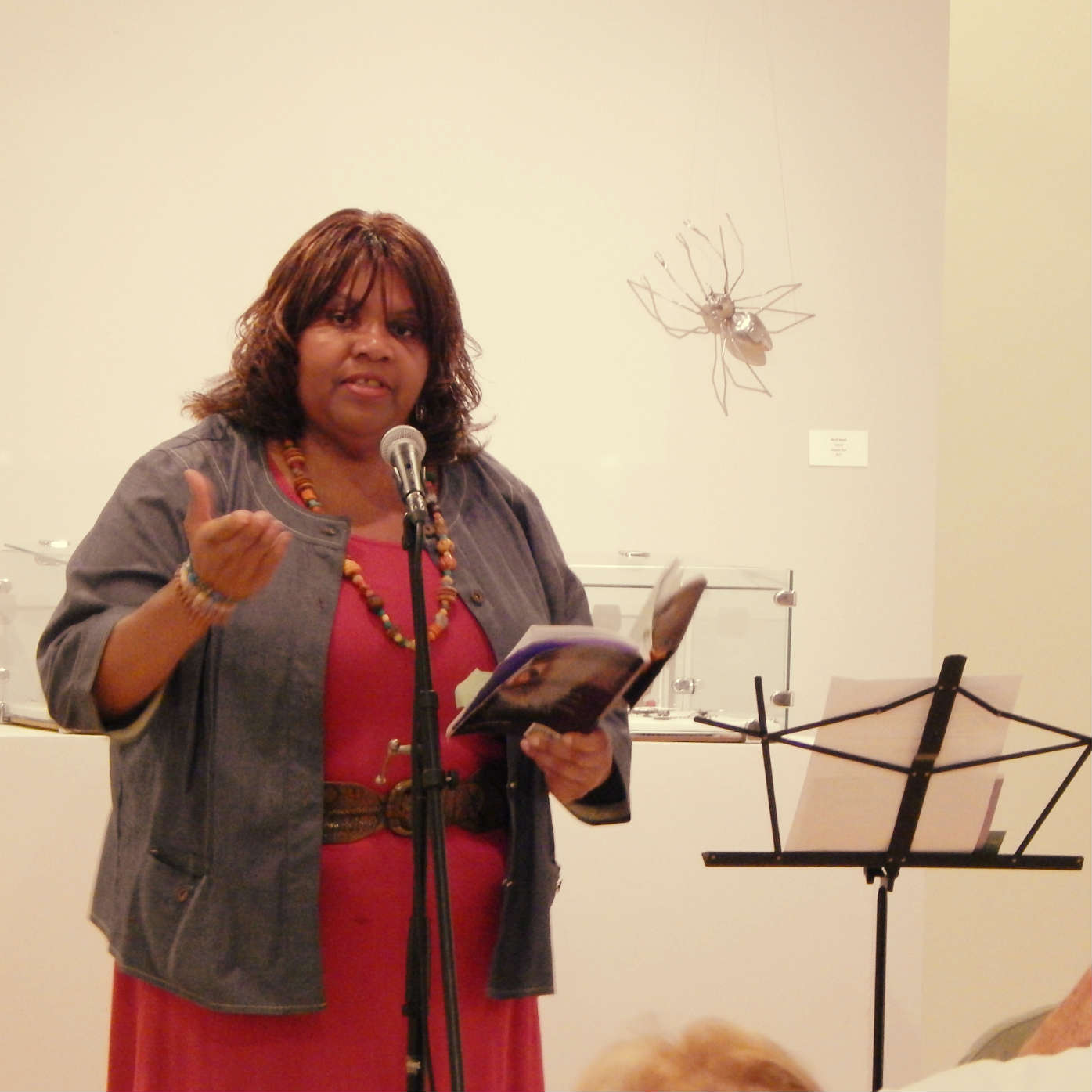
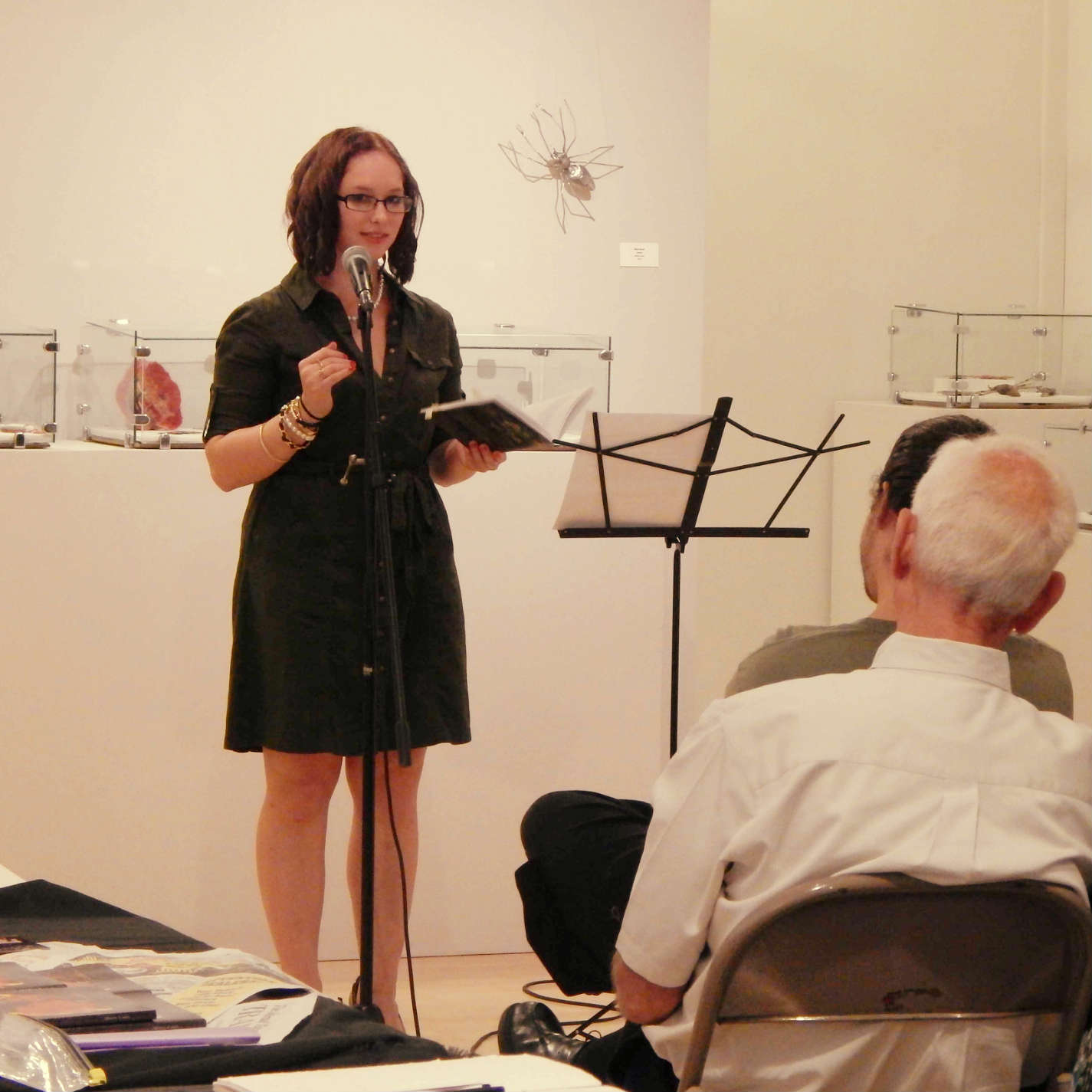
Kelsey Harris reading her poem “Pinkest Thoughts.”


SoftGLow_dscn0886
Dan Nielsen reading is (in)famous five-liners.
SoftGLow_dscn0893
Nick Demske reading from his celebrated book Nick Demske.
SoftGLow_dscn0898
Marcia Eanes reading from Passion’s Zest.


SoftGLow_dscn0922
Kelsey Hoff reading from her recently published Sad Girls Poems.


Racine and Kenosha Authors Book Fair

10565080_10152376419532804_4810709820636602796_n

Rumor has it that I am one of the many authors at this event.

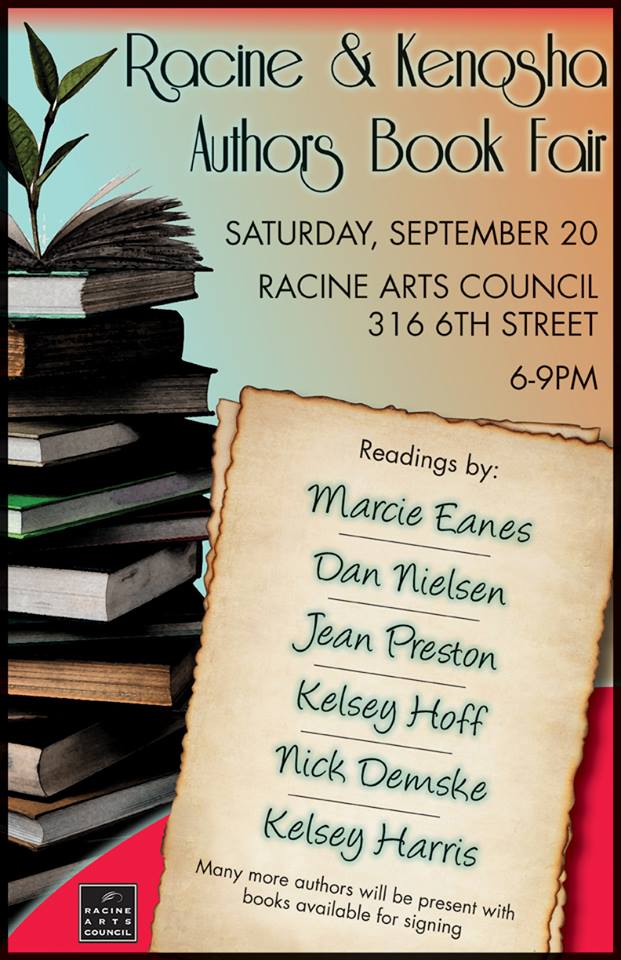
Here are details of the event from the Racine and Kenosha Authors Book Fair Facebook page:

September 20 from 6 to 9 pm, authors from all over Racine and Kenosha will converge at the Racine Arts Council. Six featured poets and authors will give readings (Kenosha Poet Laureate Jean Preston, Kelsey Marie Harris, Dan Nielsen, Nick Demske, Marcie Eanes, and Kelsey Hoff), and many more will be present to sign their books and meet with readers. This event is also the official release of Sad Girl Poems, a chapbook self-published by Kelsey Hoff. Light refreshments will be served.

The Racine and Kenosha area is a thriving arts community, with a surprising number of authors and literary publications in residence. This event will represent the diversity of that community, with up-and-coming writers side by side with well-established ones in multiple genres including poetry, fiction, young adult, and nonfiction. Representatives from Left of the Lake and Straylight Literary Arts Magazine will be present with copies of their publications available.

What poets wear

What Poets Wear

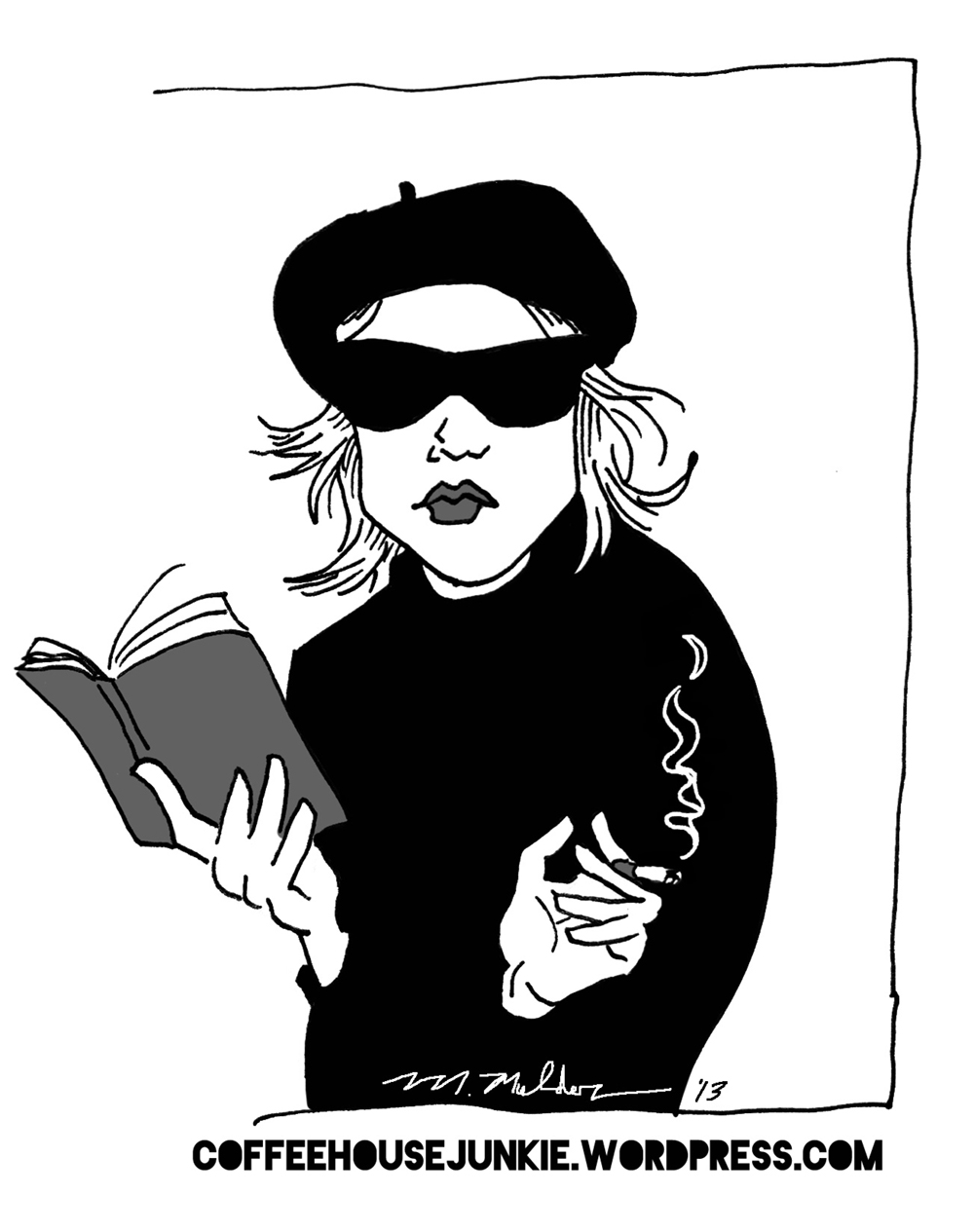
When you think of poets gathering together, what you see? What impression do you have of poets? Do all poets wear black turtlenecks, coordinating berets and dark sunglasses?

There appears to be a cultural impression of poets that promotes stereotype or mythos. Years ago I read a biography of a well established senior poet who was visited by a younger, celebrated poet of the next generation. The long-time partner of the senior poet observed that the younger poet was more enamored by the mythology surrounding the senior poet than the actual, published work of the senior poet. Similarly, our culture seems to have that perception of poets—they are more interesting to observe as an unusual creature of bizarre habits and deviant ways rather than an artist of lyric and verse.

Do you see that as well?

Another aspect to this impression informs young and/or aspiring poets that they need to act or behave in a certain manner because that is what culture dictates—that is how poets are supposed to act. If young/aspiring poets do not participate in the activity of cultural stereotypes, they tend to think that their craft is illegitimate and they will not be taken seriously for their poetry. Further, what impact will this have on the actual art created by young/aspiring poets? Will it change the subject matter of their work? And so on.

Has anyone else observed this?

This weekend I joined some local poets downtown. There were no black turtlenecks or berets worn. Someone did wear a pair of dark sunglasses. And no, it wasn’t me.

Found poem commemorating AVL 100TPC 2013

As promised last week, here is a found poem I constructed based on the poets who read at the Asheville 100 Thousand Poets for Change event.

Poem for 28 September, 2013

Do not wonder when I say it directly to your ear,[1]
“I am writing a letter to my dead sister. . . “[2]

We anticipate the leap into freedom. [3]
We make our vows in the beach dunes. [4]
We need visual signs of healing. [5]

All that remains is the small few. . . [6]
A home where the family never can return. [7]

They sold their own inheritance. . . [8]
And must return to the center. . . to learn more. . . [9]
It is possible to have everything. . . or at least twenty dollars. . . [10]

NOTES: Each line in this found poem is from the following poets who read at the Asheville 100 Thousand Poets for Change event on September 28, 2013.

[1] Britt Kaufmann
[2] Barbara Gravelle
[3] Steve Brooks
[4] Jeff Davis
[5] Jessica Newton
[6] Jeff Davis
[7] Caleb Beissert
[8] Britt Kaufmann
[9] Jessica Newton
[10] Brian Sneeden

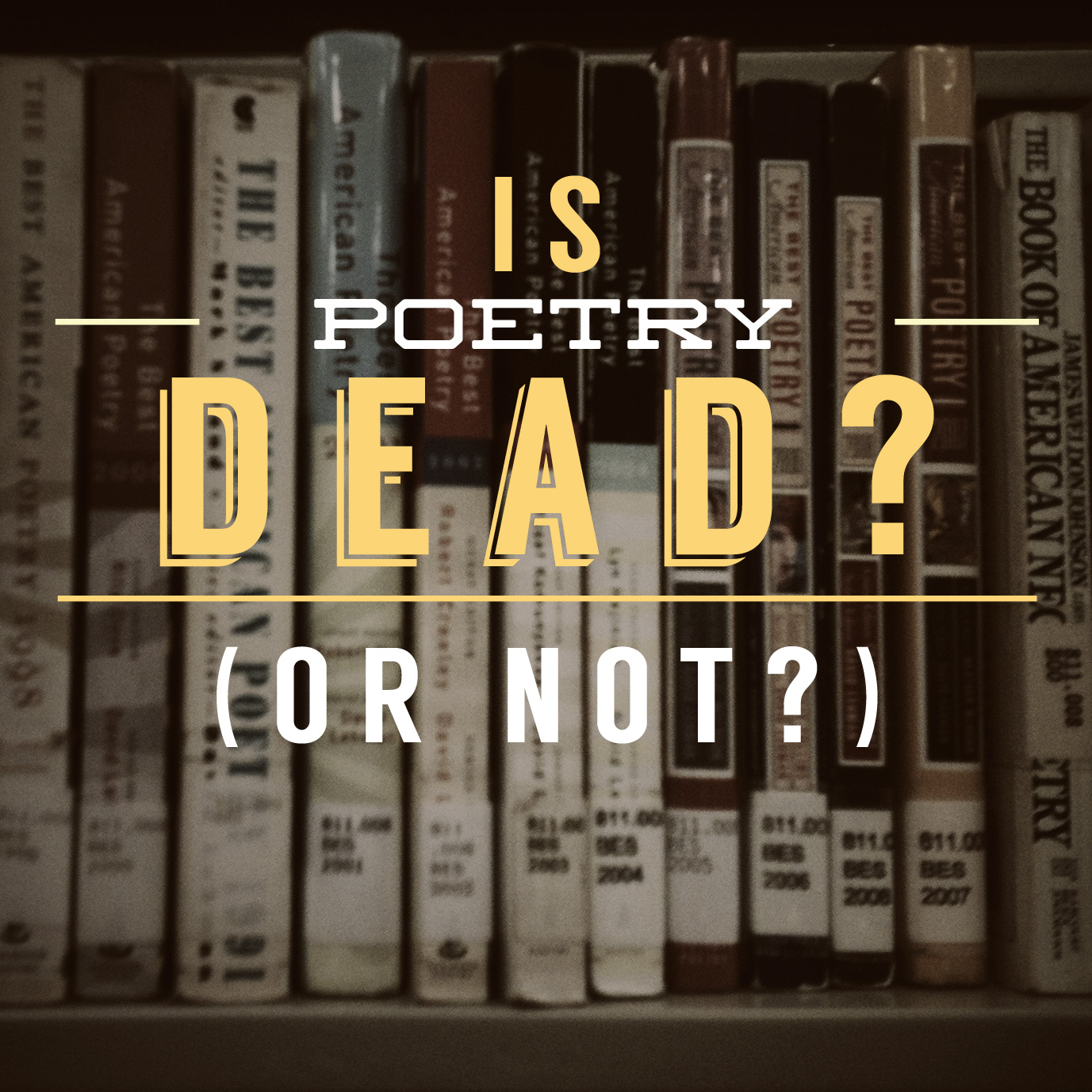
Is poetry dead? or can poetry matter?

Is Poetry Dead?

Earlier this year a quiet and quite active discussion took place in a small corner of the public square. It began with Alexandra Petri’s article “Is Poetry Dead?” [1] John Deming immediately responded with an “Open Letter to Alexandra Petri.” [2] A Few days later, Richard Higgs tossed the question to a group of poets and writers. [3] The topic was actively discussed for months.

Alexandra Petri asked “Is poetry dead?” Referencing Richard Blanco, she writes, “. . . poetry, a field that may very well be obsolete.” She continues:

I say this lovingly as a member of the print media. If poetry is dead, we are in the next ward over, wheezing noisily, with our family gathered around looking concerned and asking about our stereos.

In her article she offers some harsh yet reasonable analysis: “These days, poetry is institutionalized. Everyone can write it. But if you want a lot of people to read it . . . there are a few choked channels of Reputable Publications.”

John Deming immediately replies to this “attack on American poetry” by stating that there are more than “2,000 books of poetry are published each year in the U.S.” He did not reveal where he got that number, but I suspect much of those poetry books are independent or small press publications. Further, knowing intimately how the publishing business works, I suspect that the majority of those poetry books published do not exceed press runs of more than 500 copies. With all due respect to Mr. Deming, his open letter is more a reaction to Ms. Petri’s article and less a defense of American poetry’s life (or death). He does offer a pointed question for both Ms. Petri and for poets: “. . . what kind of ‘change’ [do] you mean. Literal political change?”

Can poetry effect change?

Years ago Dana Gioia asked “Can Poetry Matter?” in his essay published in The Atlantic Monthly [4] [5] I will not go into a lot of detail about his essay because I do not want to spoil his conclusion, but I do encourage you to read it. Mr. Gioia’s question is a better question than Ms. Petri’s. Introducing great poetry in school is part of the equation as well as encouraging the love of reading books to children. Mr. Gioia offers other ways to promote the reading of and love of poetry. The Academy of American Poets published a report years ago that stated that adults who purchase and read poetry books were introduced to poetry at an early age.

Alexandra Petri does present some valid concerns. Like Ms. Petri, I have attended poetry readings where “the attendees were almost without exception students of the poet who were there in the hopes of extra credit.” For that matter, I’ve been that poet (like Charles Bukowski) [6] reading to an audience of “. . . friends, . . . other poets / and the handful of idiots who have wandered / in / from nowhere.” Mr. Deming makes some equally valid points that poetry is “far from obsolete . . .” As someone in the publishing industry I know that poetry books do sell, but not as well as fiction or non-fiction. But lack of book sales revenue does not mean that poetry books are not effective or revolutionary. How many memoirs or novels have you read that feature a few lines of poetry as an epigraph printed at the beginning of the work?

I am convinced that there is a large audience of people that do not know that they enjoy poetry. They have to be introduced to great poetry. The fact that the August 31, 2013 issue of the New York Times featured a large front page photo of the poet Seamus Heaney (printed above the fold in contrast to a small photo of the President of the United States below the fold) testifies to the relevance of poetry in America. [7] Can poetry effect change? The poem “The Names” by Billy Collins was read before a special joint session of Congress in 2002 commemorating the victims of 9/11. [8] Can poetry matter? These are just two examples that attest to it’s impact (if ever so little) in our culture.

NOTES: [1] Alexandra Petri, “Is poetry dead?,” The Washington Post ComPost, January 22, 2013, accessed January 29, 2013 http://www.washingtonpost.com/blogs/compost/wp/2013/01/22/is-poetry-dead/
[2] John Deming, “Open Letter to Alexandra Petri,” Coldfront Magazine , January 22, 2013 accessed January 29, 2013 http://coldfrontmag.com/news/open-letter-to-alexandra-petri?goback=%2Egde_1651527_member_208175181
[3] Richard Higgs, “Is poetry dead? Washington Post blog article, and a brilliant response,” LinkedIn Poetry Editors & Poets Group, January 25, 2013, accessed January 29, 2013 http://www.linkedin.com/groups/Is-poetry-dead-Washington-Post-1651527.S.208175181?qid=64a426de-d879-42c3-b90d-5c25b99fe691&trk=group_most_popular-0-b-ttl&goback=%2Egde_1651527_member_208175181%2Egmp_1651527
[4] The Atlantic Monthly; May, 1991; “Can Poetry Matter?”; Volume 267, No. 5; pages 94-106.
[5] Dana Gioia, “Can Poetry Matter?,” The Atlantic Monthly, May, 1991, accessed January 29, 2013 http://www.theatlantic.com/past/docs/unbound/poetry/gioia/gioia.htm
[6] Charles Bukowski, “poetry readings,” The Writer’s Almanac, September 11, 2008, accessed January 29, 2013 http://writersalmanac.publicradio.org/index.php?date=2008/09/11.
[7] “The New York Times pays tribute to Seamus Heaney,” TheJournal.ie , August 31, 2013, accessed September 25, 2013 http://www.thejournal.ie/new-york-times-seamus-heaney-1063056-Aug2013/
[8] “Poet Billy Collins Reflects on 9/11,” PBSNewsHour, accessed September 25, 2013 http://www.poetryfoundation.org/features/video/301

This week in Asheville, 100 Thousand Poets for Change

100TPCAVL Web Poster
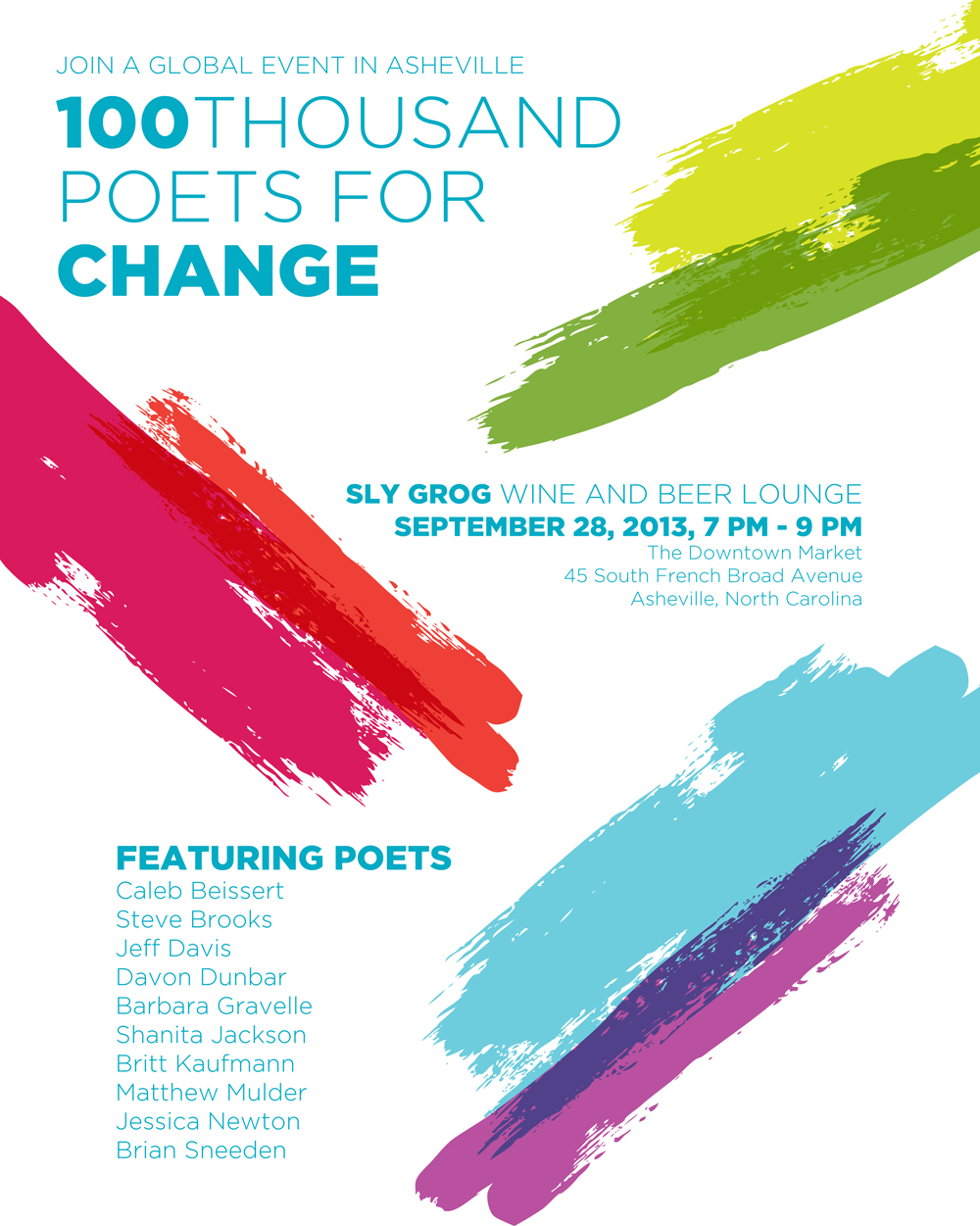
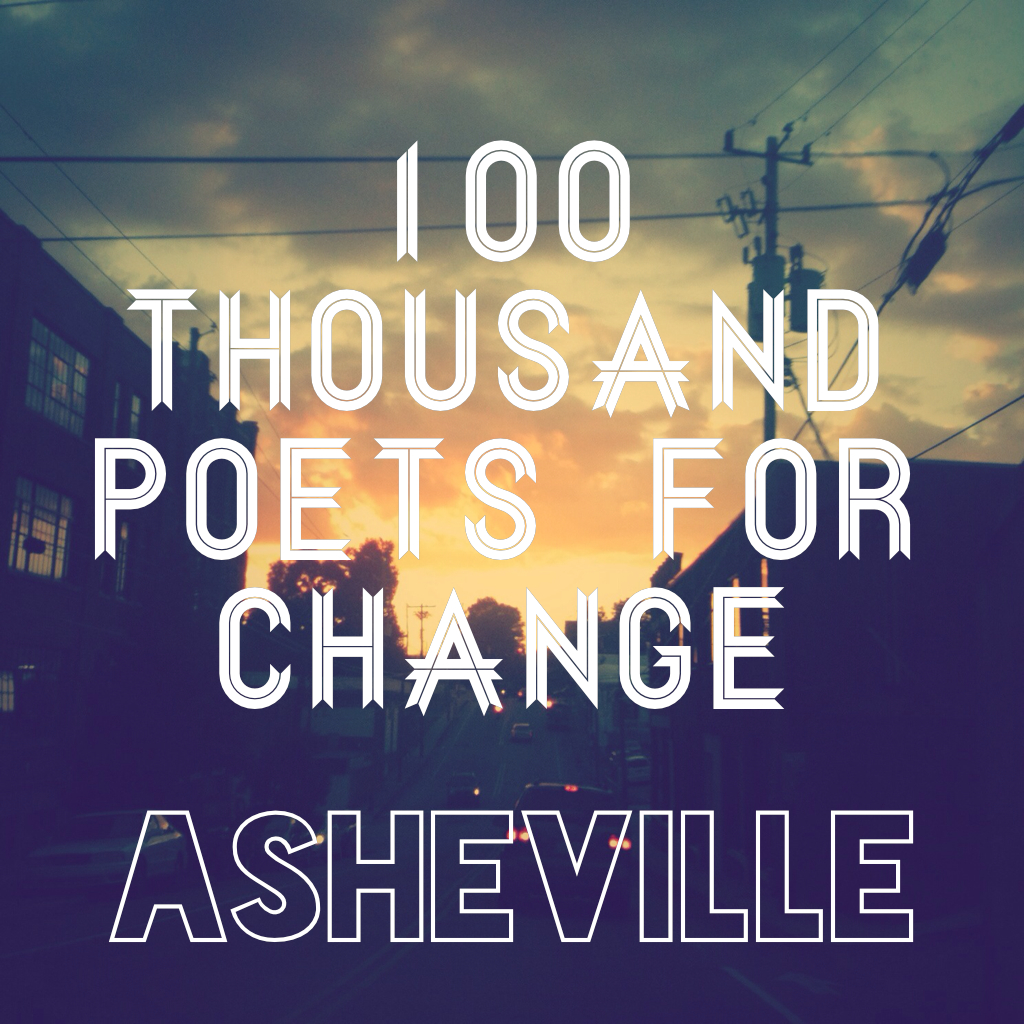
Just a few more days until the Asheville 100 Thousand Poets for Change event!

Join Caleb Beissert, Steve Brooks, Jeff Davis, Davon Dunbar, Barbara Gravelle, Shanita Jackson, Britt Kaufmann, Matthew Mulder, Jessica Newton and Brian Sneeden at Sly Grog Wine and Beer Lounge (The Downtown Market, 45 South French Broad Avenue, Asheville, North Carolina), Saturday, September 28, 2013, 7 PM – 9 PM.

Asheville Poets represent 100 Thousand Poets for Change

100TPC2013

Here is your official invitation to join a global event called: 100 Thousand Poets for Change.

The Asheville event will be held September 28, 2013, 7 PM – 9 PM at Sly Grog Wine and Beer Lounge (The Downtown Market, 45 South French Broad Avenue, Asheville, North Carolina). Featured poets include: Caleb Beissert, Steve Brooks, Jeff Davis, Davon Dunbar, Barbara Gravelle, Shanita Jackson, Britt Kaufmann,  Matthew Mulder, Jessica Newton and Brian Sneeden.

Use the hashtag #100tpcAVL when sharing details about Asheville’s 100 Thousand Poets for Change event.

For more information, or if you have questions, please leave a comment. Thanks!

UPDATE: Here’s a PDF file of the event poster for 100 Thousand Poets for Change Asheville event next week. Download here: 100TPC AVL Poster.

100 Thousand Poets for Change – Asheville

100TPC2013

With 11 days to go before the global event, the Asheville event planned in coordination with 100 Thousand Poets for Change (100tpc.org) will feature many local poets. Sly Grog Wine and Beer Lounge will host the event September 28th, 7PM – 9 PM. More details will be presented later this week.

Which came first philosophy or poetry?

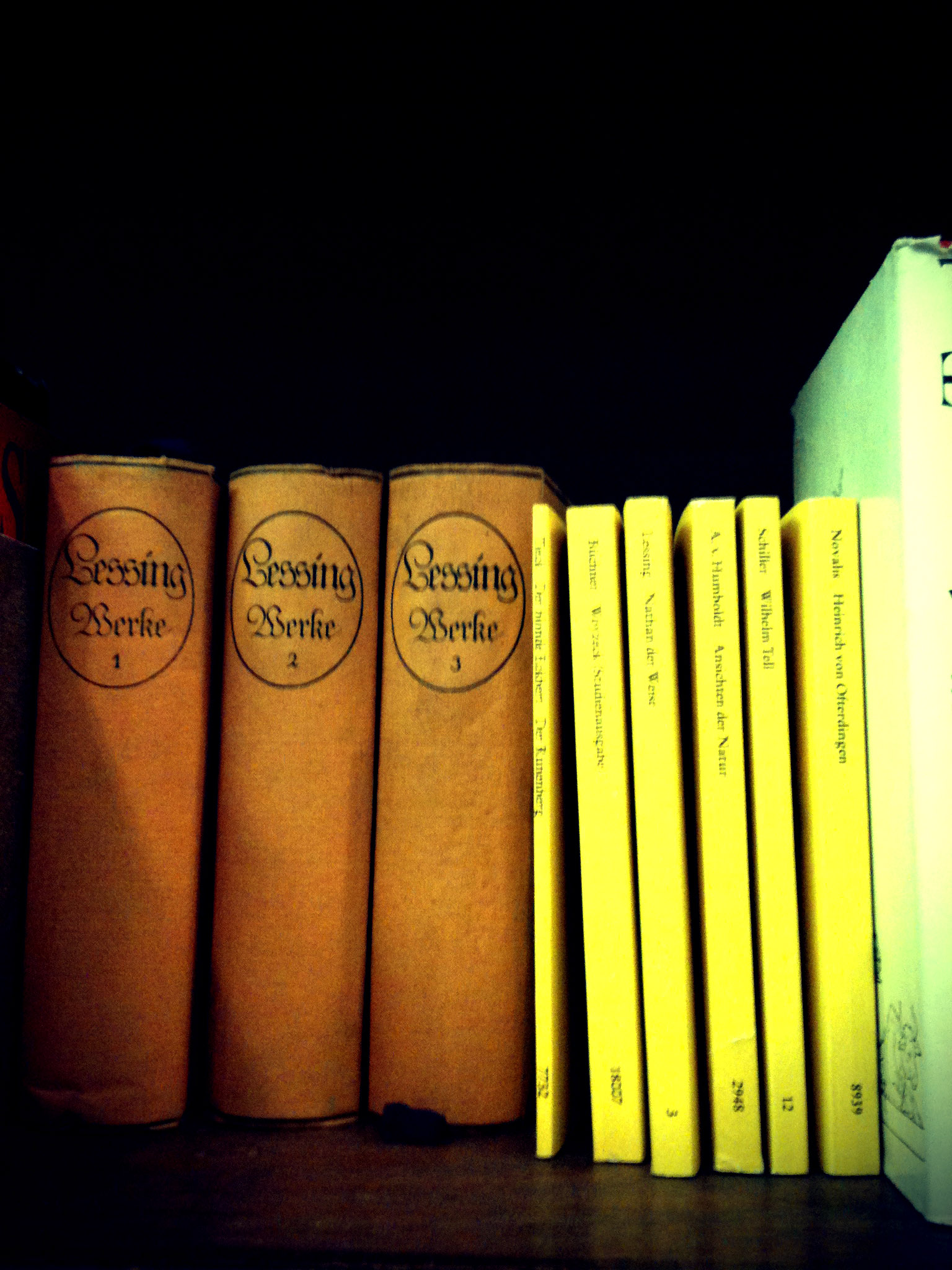
Foreign language section at Downtown Books & News

Someone asked how many of today’s poets are also philosophers?[1] The question presents some assumptions. One assumption is that poets merely express themselves in literary work through distinctive style and rhythmic fashion. This notion tends to present the  emotional aspect of poetry, but ignores the intellect of poetry. There is a dichotomy to poetry that mingles and merges into philosophy. The study of knowledge, reality and existence is at the core of philosophy, and the expression of these ideas is at the center of poetry.

Readers of poetry know that the subject matter of most serious literary poetry is an investigation of knowledge, reality and existence. One might argue, that light verse also presents a philosophical truss and girder to the support of the work. Truly, poetry puts a face on ideas, clothes abstractions in tangible, beautiful garments and builds images from the exploration of the meaning of life.[2]

Western philosophy began in 6th century BCE. It interesting to me that before philosophy there was poetry. Hesiod composed Theogony more than 100 years before Thales of Miletus and the Pre-Socratics. About that time period Homer released the Iliad. It is not by accident that poetry informs philosophy nor that poets birth philosophical conversations.

To address the question that sparked this post, I’m still considering the question of who I might regard as a great modern poet philosopher. My mind runs in two veins: one is the craft of the poet (i.e. the strength of the literary work) and two is the ideas of the poet (i.e. the strength of the logic and rhetoric of the argument). A couple of modern poets come to mind, but they have long since passed from this world. Two names of living poets simmer in the back of my mind. What do you think? How many of today’s poets are also philosophers? Are you a poet? Do you consider yourself a philosopher? What examples of philosophy do you find in poetry?

NOTES: [1] Gael, “Wondering how many poets are also philosophers and intuitives as well as creative.?” LinkedIn, April 21, 2013 accessed May 6, 2013 http://www.linkedin.com/group.
[2] There is a whole discussion that could be had regarding avant-garde poetry and the challenges with poetic forms that are not accessible to the average reader, but this post deals only with the question of philosophy as it relates to poetry.

Scrambled eggs and poets

Over two months of writing a poem a day
These are not scrambled eggs.

Have you ever typed a message into your smartphone and the autocorrect delivers an amusing sometimes intriguing option? That’s were the title of this post comes from. I was trying to text: scrambled eggs and toast please. Don’t ask. It’s been a long weekend, but I wanted to provide an update to a February post [1] where I detailed the number of poems submitted to publication and how many have been accepted. And the grand total is: none. I haven’t heard from all the publishers yet, but so far it has been rejection letters and emails. [2]

And now, scrambled eggs and poets.

It is a rare evening these days when I am able to attend a literary reading in my adopted hometown. The Juniper Bends Reading Series for May [3] featured Mandy Gardner, Collin Garrity, Rose McLarney and Jerry Stubblefield. I arrived late, but enjoyed a truly amazing reading. The highlight, for me, was Rose McLarney’s reading. It had been almost seven years since I first heard Rose McLarney read her poems at the Black Mountain College Museum + Arts Center. And since then, her acclaimed collection of poems was published by Four Way Books. [4]

After the reading concluded, and this is where things get a bit scrambled, I waited with others to chat with the poets and writers. The longer I waited the more I wanted to ask her about the publishing process. How did she manage to get her collection published? What tips would she recommend? You know, all those predictable, pithy questions unpublished poets ask published poets.

And then, like Billy Pilgrim, [5] I sort of time travelled. No longer standing inside the crowded Downtown Books & News, [6] it was night and I was walking up Eagle Street toward Pack Square Park with a poet how was asking me, “How do I get my poems published? What tips do recommend?” With my experience in publishing, I began telling her any information that I thought might help. And then, as we were parting ways, I was telling her not to sweat it, “When the poems are ready, the audience will be there.”

And then, I time traveled back to May 2013, it was night again. I walked to my auto as a SUV full of kids drove by with the windows down. Their ruckus noise spilt onto the street. They slowed and someone threw hot pennies at me. They sped away. Why do kids heat pennies with cigarette lighters and throw them at complete strangers? I entered my car and drove home saying, “When the poems are ready, the audience will be there.”

More scrambled eggs and poets.

Scrambled yet? Don’t worry. It’s Monday. You have the whole week ahead of you.

Let’s do some more time traveling. Last year, I provided some teasers for an upcoming book. [7] The manuscript is nearly novel length and I’ve sought out a couple editors to assist me. Truly, this is not a story I wanted to write, but it has found me and apparently an audience.

NOTES:
[1] So far, I’ve submitted almost 70 poems for publication. You can read the details in the post: 50 poems in 30 days
[2] Why do poets write, if not to be published? These thought have occupied my thoughts since last week’s post.
[3] Juniper Bends Reading Series
[4] Four Way Books
[5] Everyone knows who who that is, right? And if you have to google it, just know that it is not the American folk musicians from Atlanta.
[6] Downtown Books and News
[7] You may read the teasers here

Rebecca Baggett, Joseph Mills & Nan Watkins

Poetry, December 2, 2012
Poetrio, December 2, 2012, 3 P.M.

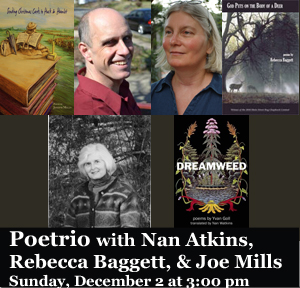
Join poets Rebecca Baggett, Joseph Mills, and Nan Watkins for Malaprop’s monthly reading series Poetrio, Sunday, December 2, 2012, 3:00 p.m.

From Malaprop’s Bookstore’s Virginia McKinley news release:

Rebecca Baggett…. earned a bachelor’s degree in classical languages at Salem College and is the author of two previous chapbook collections…. GOD PUTS ON THE BODY OF A DEER, the poetry collection Rebecca Baggett will present on December 2, won the 2010 Main Street Rag chapbook contest.  Sarah Gordon has this praise for GOD PUTS ON THE BODY OF A DEER: “Rebecca Baggett’s strong collection…. The voice in these lyrics is original, the imagery fresh and vital, the subject matter compelling….  Throughout these poems the poet emerges as a soul leaning, leaning toward the light.”

Joseph Mills has…. has published fiction, drama, and criticism, as well as four books of poetry from Press 53…. Poet Anthony S. Abbot offered this enthusiastic response to Joseph Mills’ most recent book: “SENDING CHRISTMAS CARDS TO HUCK & HAMLET… is one of the most original collections of poetry I have ever encountered — original because it treats the whole world of books, poems, stories, fairy tales not only as being somehow more real than reality itself but as our most important lifelines to reality itself. There is about this book a sense of everything happening for the first time, even those literary events that seem to happen over and over.  What a pleasure this book gives the reader.”

Nan Watkins is a writer, translator, and musician who lives in the Blue Ridge Mountains of Western North Carolina. She holds degrees in German from Oberlin College and Johns Hopkins University, with further study at the University of Munich and the Academy of Music in Vienna…. Nan Watkins’ DREAMWOOD is the first English translation of Traumkraut, the final (and posthumously published) poems of Yvan Goll (1891-1950).  Goll is considered one of the finest European poets of the twentieth century.  He was born in Alsace-Lorraine and was bilingual in French and German.  In addition to writing as a poet, he became known as a novelist, playwright, translator and publisher who produced collaborations with Chagall, Dali, Picasso, Leger, Weill, Joyce, and others. Among those he published during his exile years in New York were W.C. Williams, Breton, Patchen, and Henry Miller.  In New York he also published his own book in English, Fruit From Saturn.  Poet Neeli Cherkovski has written of DREAMWEED, “This collection not only brings forth… a great poet’s voice, but also stands as a remarkable achievement in the art of translation.”

Hope to see you there.

For more info, contact: Malaprop’s Bookstore/Cafe, 55 Haywood Street, Asheville, NC 28801 (828) 254-6734

www.malaprops.com

Peace Is a Flower: A Night of Poetry and Music

Peace is a flower – poetry and music

Tomorrow, 8:30 p.m. join James McKay, Laura Hope-Gill, Caleb Beissert, Pasckie Pascua, and Aaron Price at Battery Park Book Exchange & Champagne Bar, 1 Page Avenue, Asheville on SEPT 11, 8:30 to 11PM. This event is free to the public. Read poet and musician bios as well as other information on the Facebook events page. Link.

Poetrio, this Sunday, at Malaprop’s Bookstore

August Poetrio — 2012

This sunday, Malaprop’s Bookstore/Café continues the monthly poetry reading series, Poetrio, with Meta Commerse, Cassie Premo Steele, and Pauletta Hansel.

In an email from Virginia McKinley, of Malaprop’s, here’s a write up about August’s featured poets:

Meta Commerse. . . is the author of six books, including a novel intended to be a book of hope for middle-school-aged black girls.  That book began as her culminating project for the MFA degree in creative writing at Goddard College.  RAINSONGS: POEMS OF A WOMAN’S LIFE is her most recent book of poetry. . . .

Cassie Premo Steele’s poetry has appeared in numerous anthologies, magazines, and journals, including such publications as Sagewoman and Calyx. Her work has been nominated twice for a Pushcart Prize. . .  Her most recent book of poetry, THE POMEGRANATE PAPERS, is based on the Persephone/ Demeter myth and addresses the themes of mothers, daughters, creative cycles, loss, healing, and living in harmony with the seasons. . . .

According to Jackie Demaline of The Cincinnati Enquirer, Pauletta Hansel has been “an arts administrator and an unflagging arts advocate, [but] doesn’t like to talk about herself.”  Yet she seems happy to talk about the work she finds most interesting: “community organizing and community arts.”  . . . . Pauletta Hansel has published poems in . . . journals . . . and . . . has three previous collections of poetry, Divining, First Person, and What I Did There; at Malaprop’s she will read from her most recent book, THE LIVES WE LIVE IN HOUSES. . . .

Hope to see you Sunday, August 5, at 3:00 p.m. for Poetrio!

Asheville Wordfest – a reflection and a video

Asheville Wordfest – Reading at The Altamont Theatre, May 4, 2012

It was truly an honor to be invited to read a few poems at this year’s Asheville Wordfest. When I received the invitation I thought it was a mistake. So, I direct messaged the director using Twitter saying: “my twitter acct is wonky today. i received something from you re: wordfest… how can i help?” Previously, I had helped with audio during a previous Wordfest featuring the poet Li-young Lee. She direct messaged me on Twitter with a note of confirmation. So, I began selecting poems for the event.

Since I haven’t read my poetry publicly in more than a year, I was a bit anxious about the invitation to read at this year’s Wordfest. Last year was a busy year of readings at bookstores, [1] a literary salon, [2] and a featured guest at the Mountain Xpress poetry show. [3] Then employment for me became tricky and I endured the challenges of a transition to a new job, lay off, unemployment, and another job transition with a three-hour round trip commute. I kept writing new poems, but the new out-of-state job prevented me from participating in the active literary scene here in Asheville.

There were more than a hundred new poems I wrote last year to consider for the Asheville Wordfest poetry reading. I selected four or five new poems, but I didn’t feel confident enough in their craftsmanship to read publicly. One manuscript I have been developing for awhile had the strongest work that best fit this year’s Wordfest theme, “HOME: Place and Planet.” I started it when I took a writing workshop taught by Ashveille Wordfest Director, Laura Hope-Gill, a few years ago.

Two practices help me decide what poems to read. First, it is my practice to put a poetry manuscript in a presentation book with sheet protectors. That way pages don’t fall to the floor during a reading. You can usually purchase presentation books of that nature at office supply stores. I select a variety of poems on various subjects or themes. Further, it is my practice at an actual poetry reading featuring multiple poets to listen closely to the other poets. While the reading takes place, I select poems that speak to other poets’ work as a way to have a literary conversation. So, I brought four working manuscripts hoping that I might find a poem that might play off a poem read by Ronald Reginald King, DeWayne Barton, and Katherine Soniat.

As I walked to the podium after a very generous introduction by Laura Hope-Gill, I still hadn’t decided what poem would complete my reading. I knew the poem I would lead off with and I knew the one to follow, but the third and final poems I hadn’t quite decided. Improvisation is something I am developing in public readings, because each night the audience is different, with individual needs, interests and mood. A bar room poem might work in one setting and audience, but not work another night with a different audience. So, after I clumsily introduced myself, I knew by the time I finished reading the second poem where the narrative of the poem selection would lead. For better or worse, the reading was videocast and a recording is available. Here’s a link to the video [link here].

When I sat down next to my wife after completing my reading, I noticed a couple mentions on Twitter regarding the live videocast. One person [4] tweeted, “Goosebumps: poem dedicated to Jenny.”

NOTES: [1] As a member of the Rooftop Poets, I read with Barbara Gravelle and Brian Sneeden at Accent on Books in February. Barbara Gravelle and I read at the May 2011 Poetrio at Malaprop’s Bookstore & Café. That was my last public reading until last Friday night, May 4, 2012. [2] After a very successful book launch and poetry event, the Rooftop Poets presented Poet’s on the Roof: A Literary Salon. [3] The Mountain Xpress invited Brian Sneeden and myself to read on behalf of the Rooftop poets as featured poets at the 2011 Mountain Xpress Poetry Show [4] @anorawrites