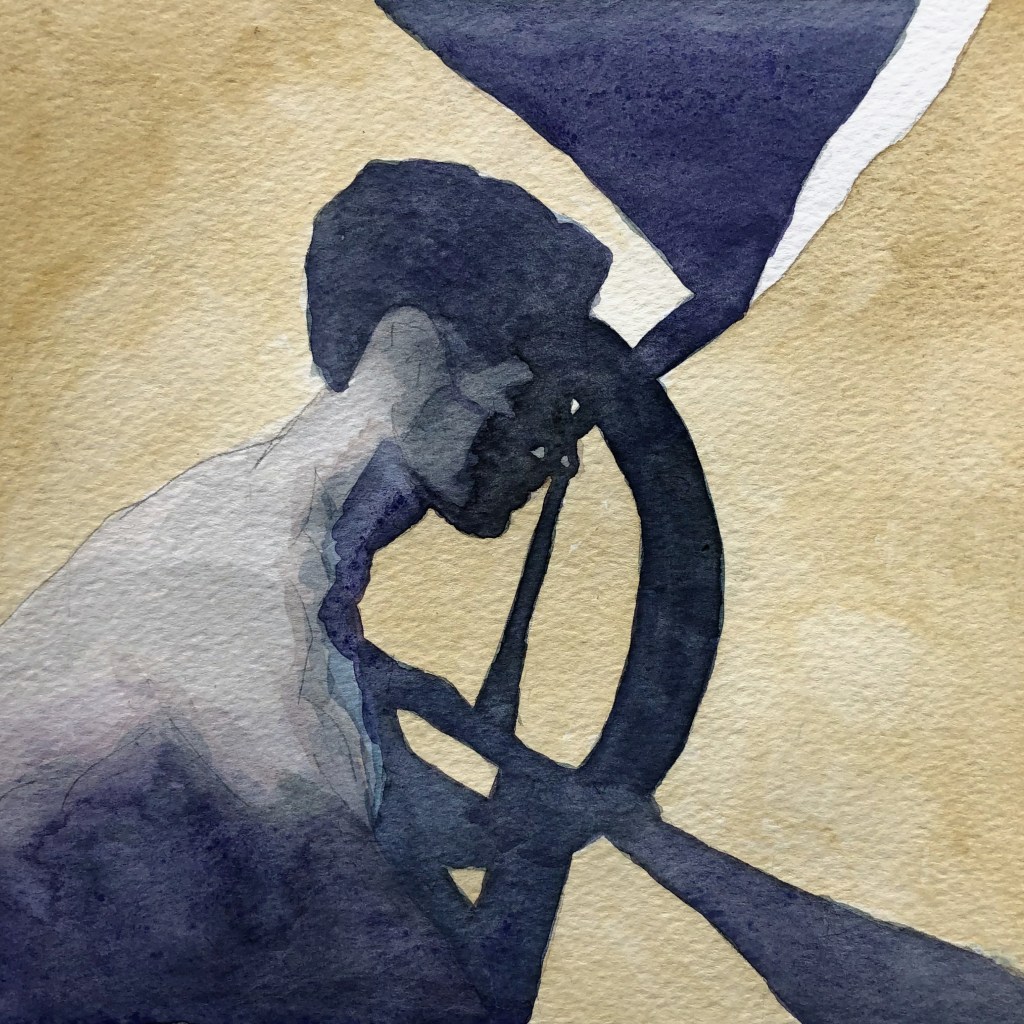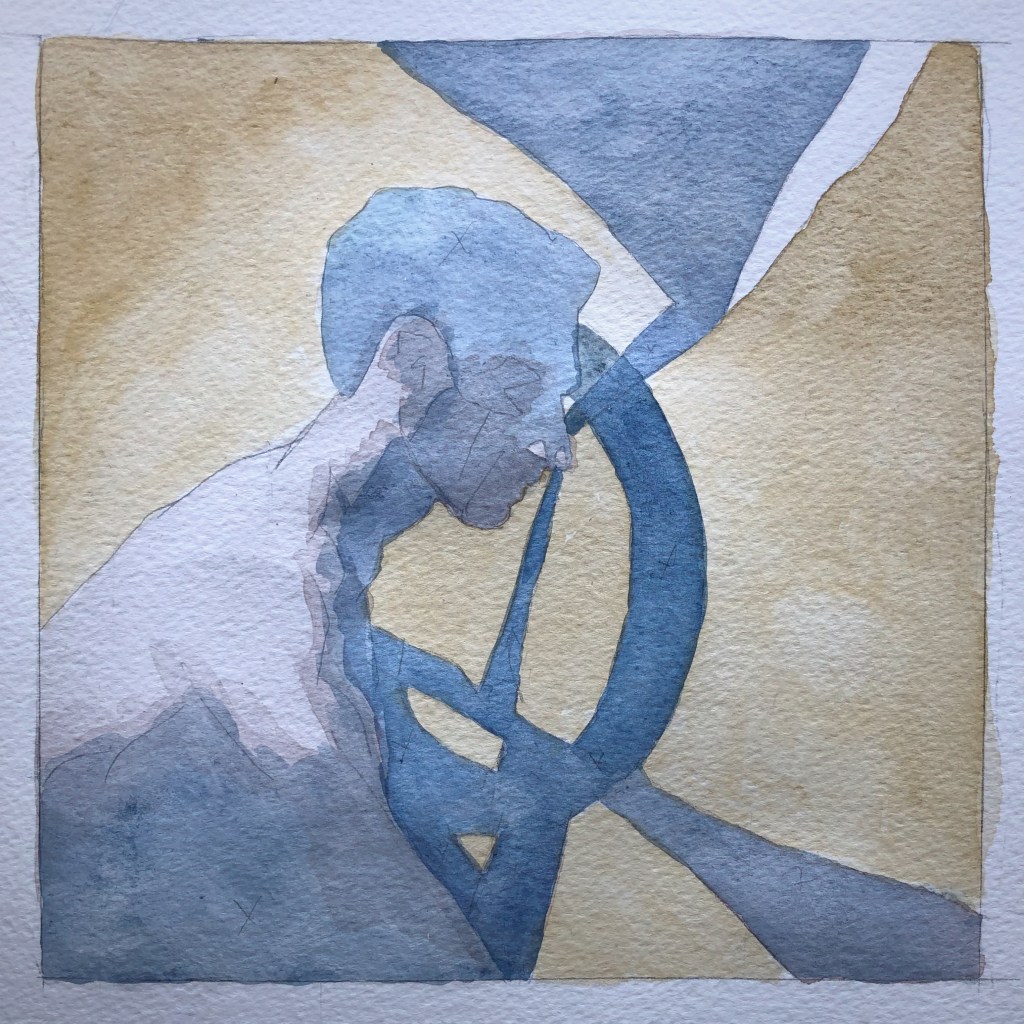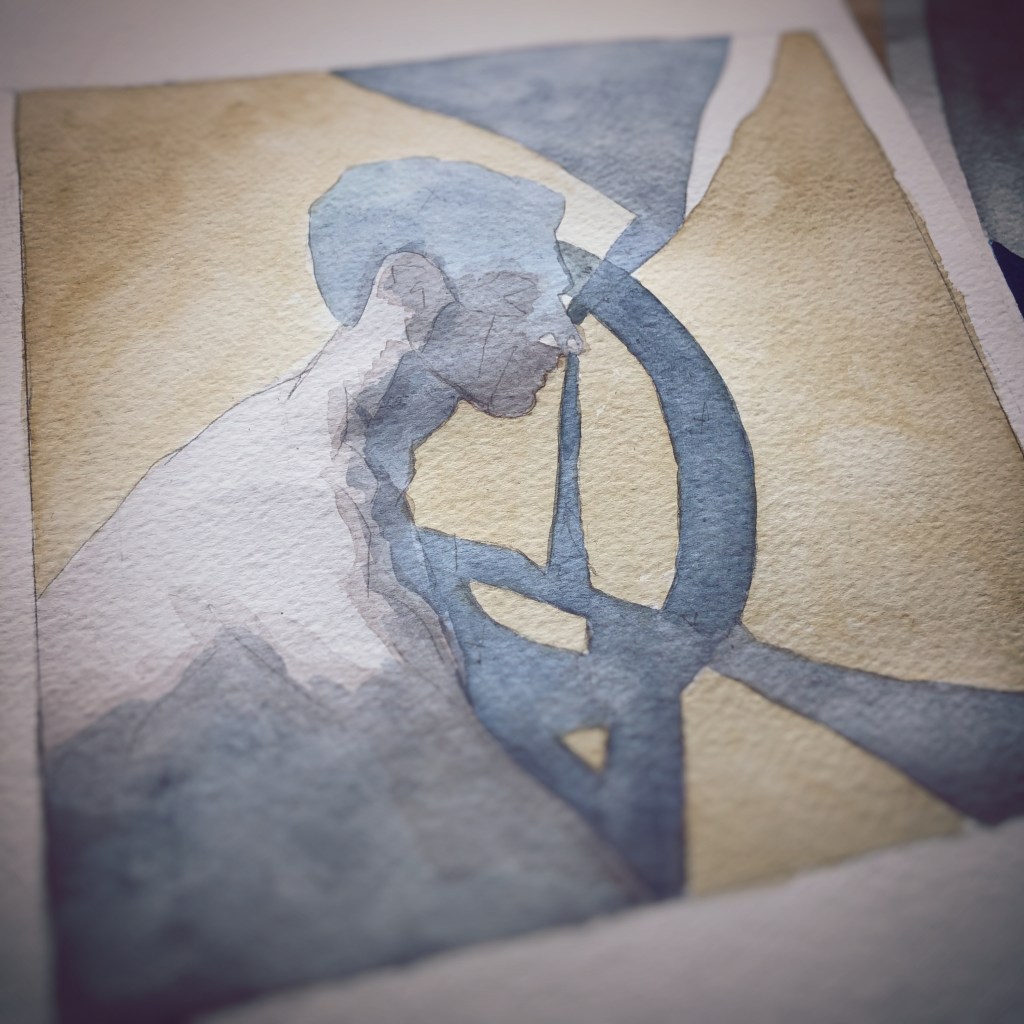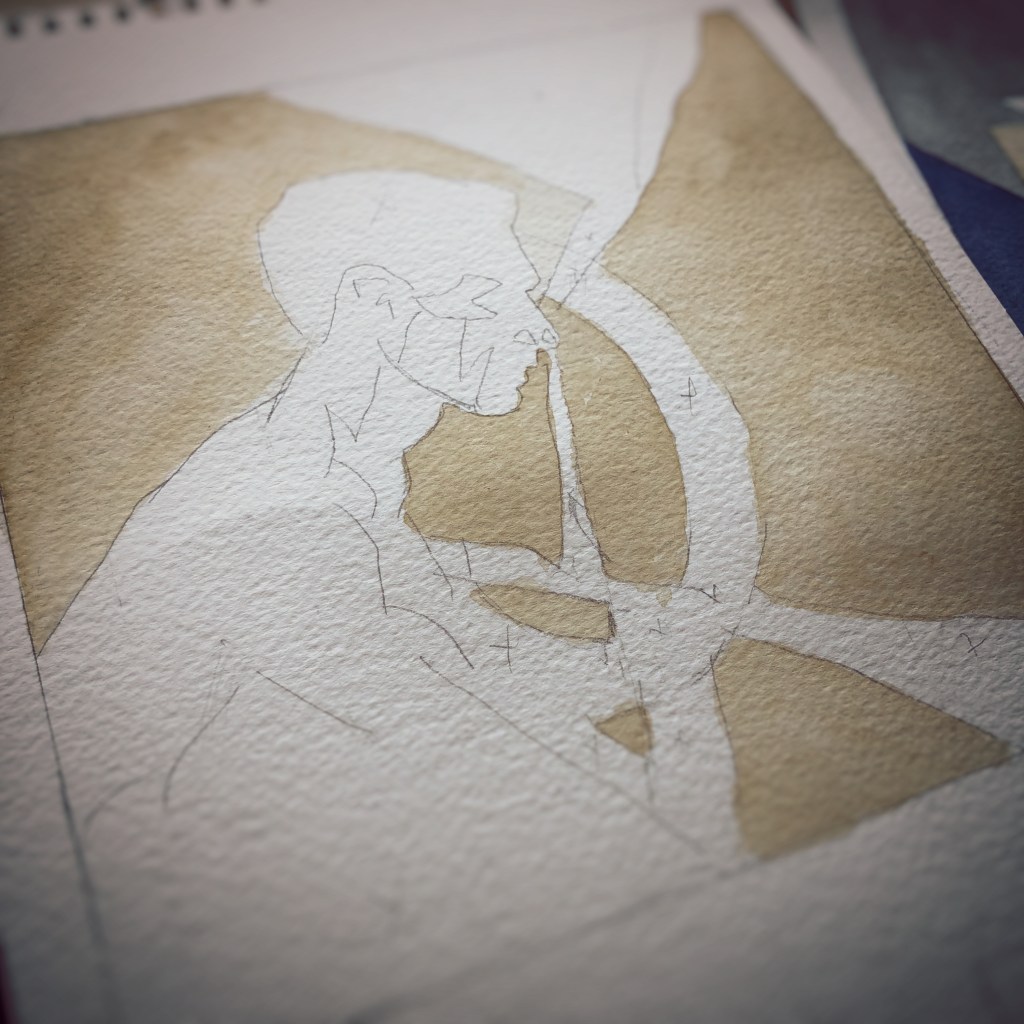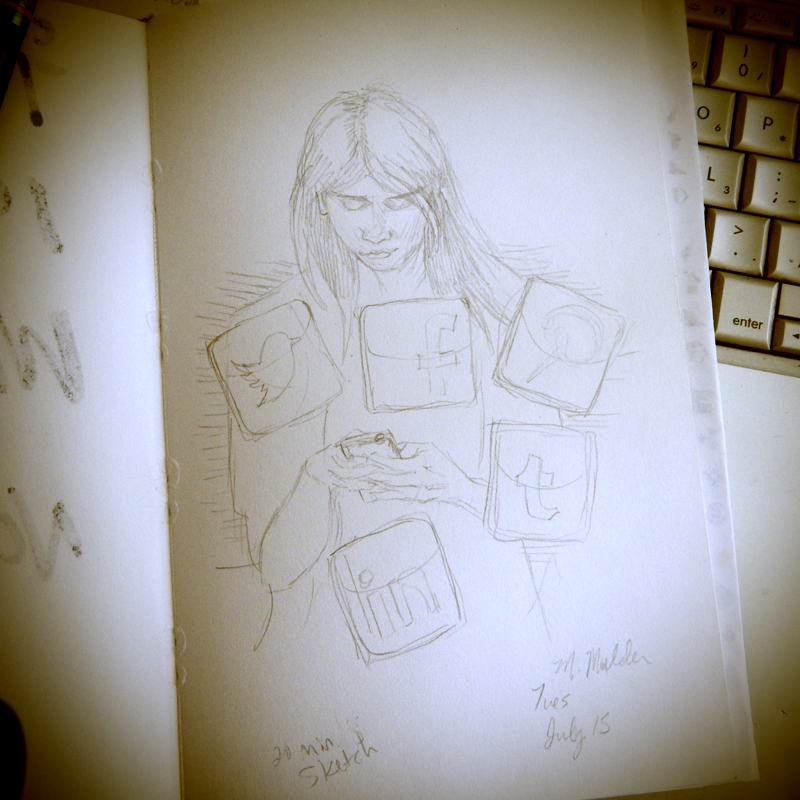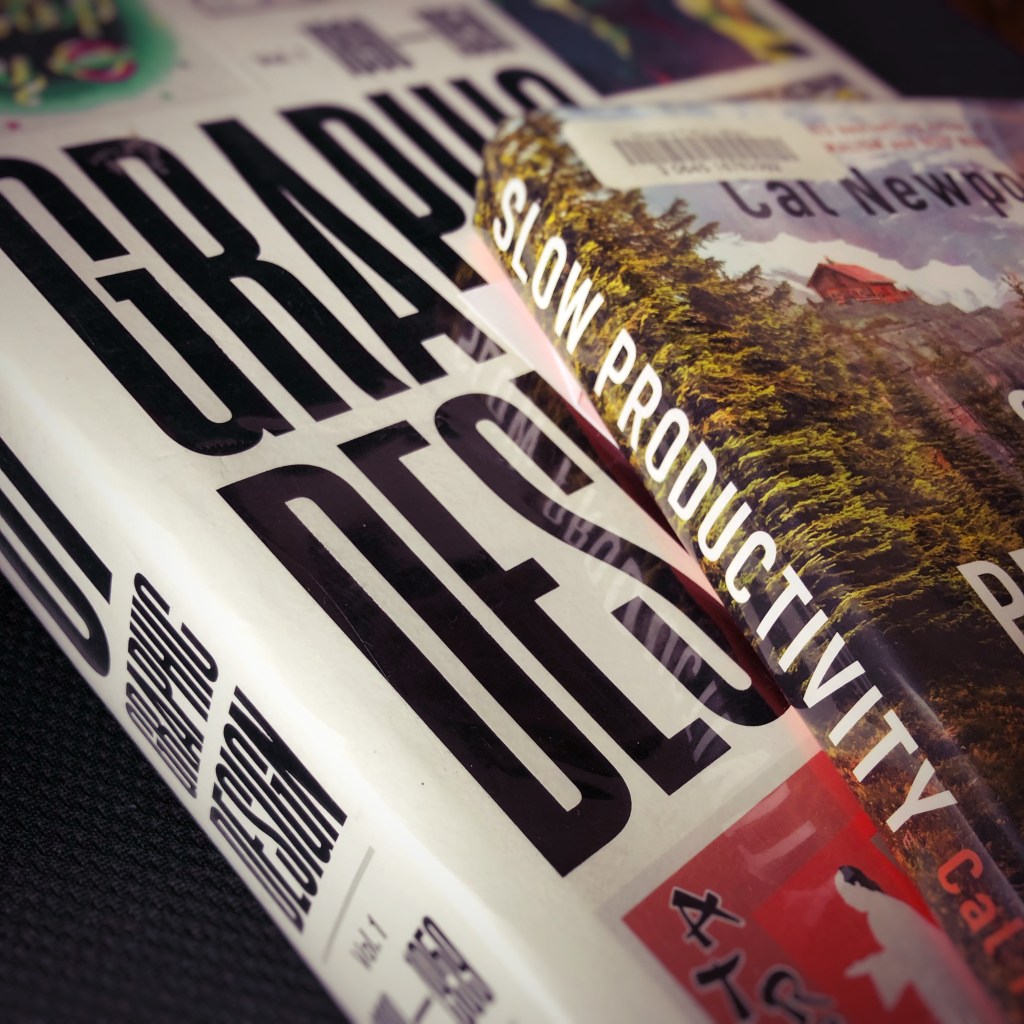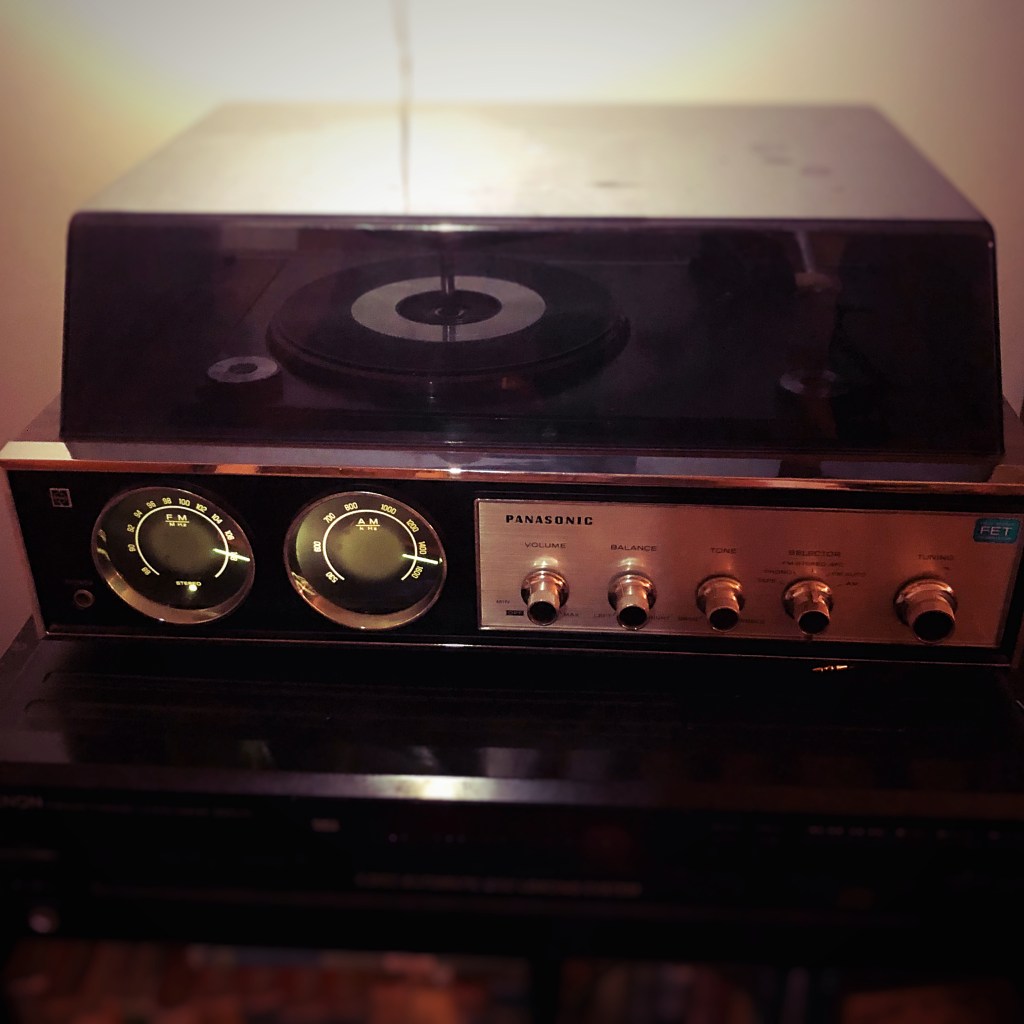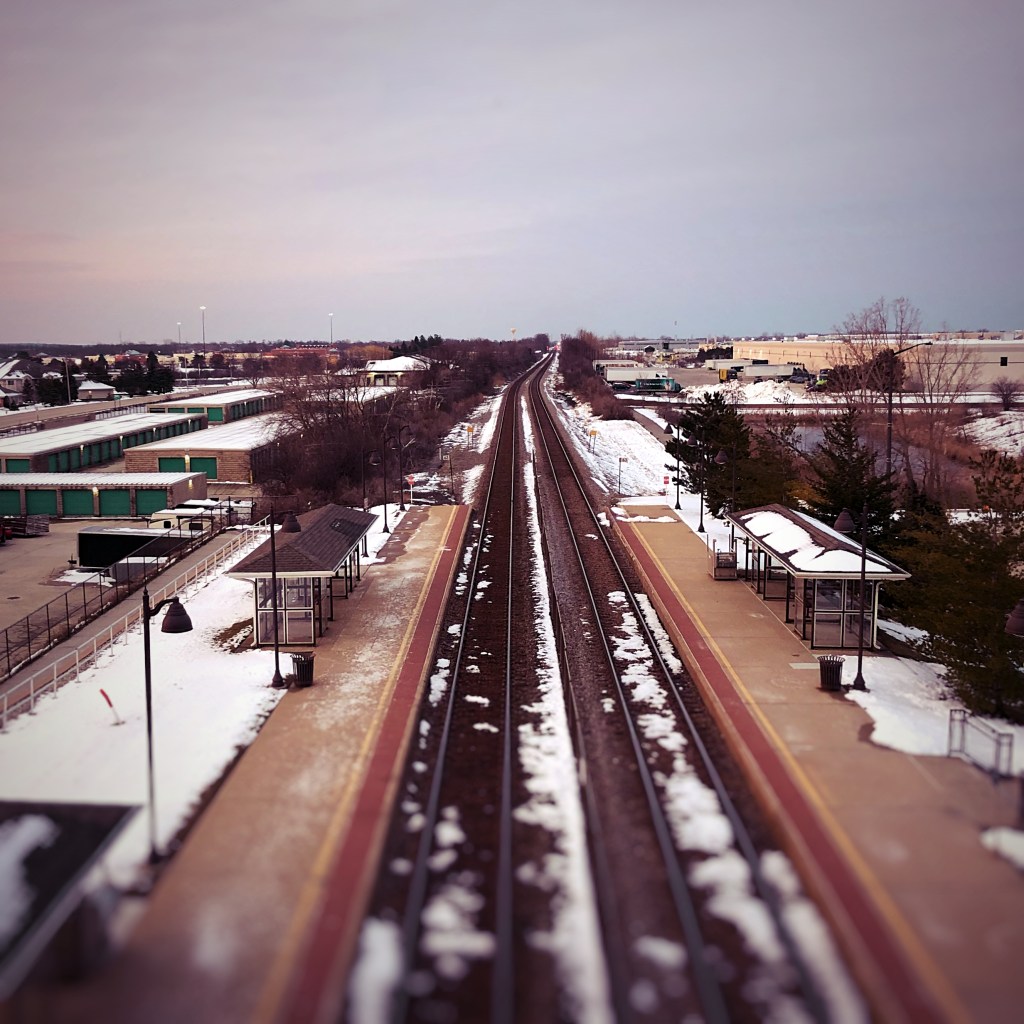
“The only way for human beings/is to choose”*

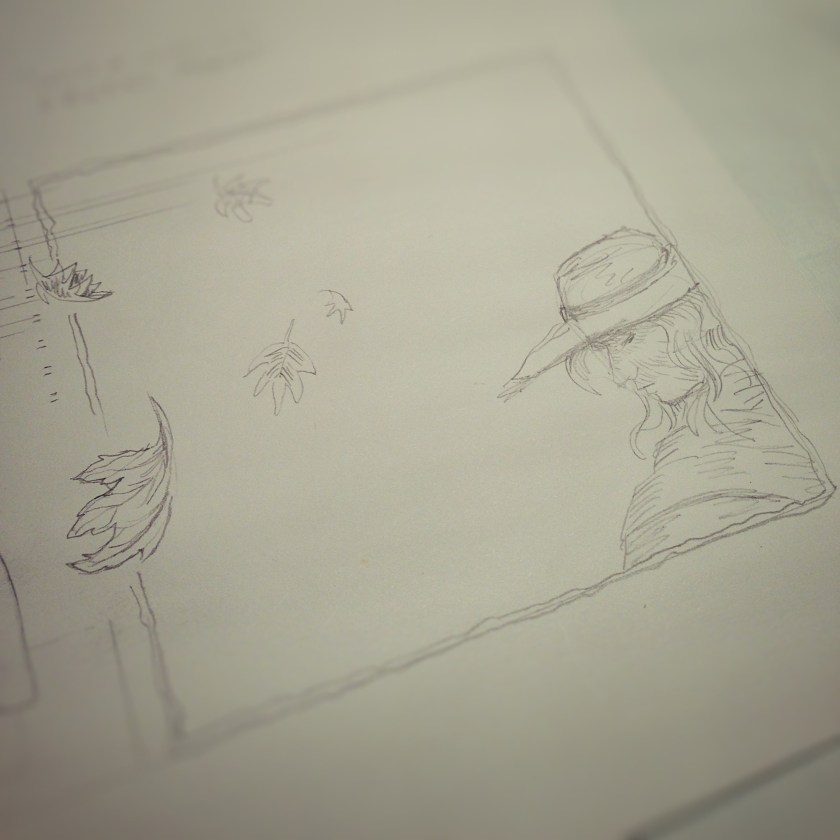
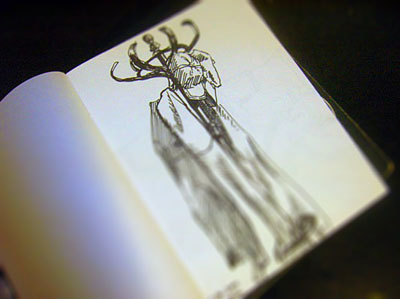
Instagram montage

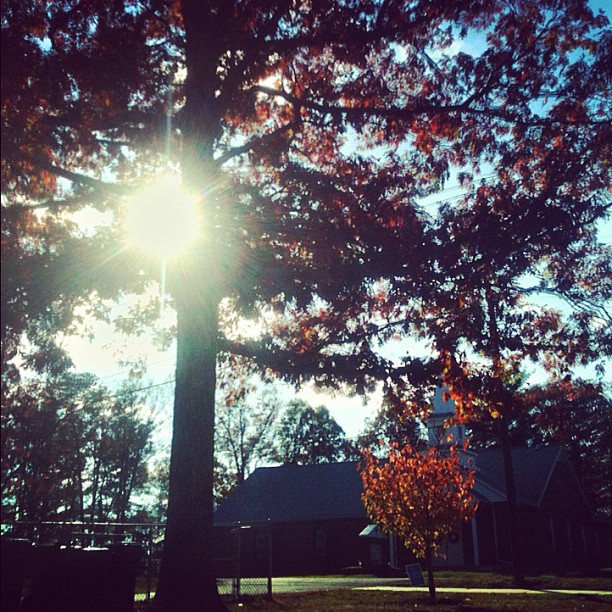
It rained all day. A perfect day for reading books and drinking tea. By the opened window I listened to the rain and struggled with a dozen pages of one of Thomas Carlyle’s lectures. That afternoon I turned to Epstein for consolation. If he found it difficult to read Carlyle’s prose about the French Revolution, I may be in good company. Not that I should be compared to such a man of letters.

Many years ago I aspired to a career in letters. A local independent newspaper published my work. Then a few national and international literary journals picked up my work. Surrounded by writers who supported me and encouraged me to continue along that path, I composed a series of narrative non-fiction pieces. Sketches for a full-length book. Searching through this site’s archives, ten years ago (almost to the date), I teased these efforts. Writers had reviewed the three or four of the chapter sketches. An editor was sought to help finish the process. And publications were selected for submission to publication. And then. . .

These stories remain unpublished to date.

NOTES:
*The title of the post is a line from “In Rainy September” by Robert Bly.

Apparently I was so tired that I forgot to click the button marked “publish” on Sunday, September 11, 2022 at 9:48PM.

These were posted ten years ago:
Yes, it is true, September 7, 2012: https://coffeehousejunkie.net/2012/09/07/yes-it-is-true/
There is a story behind this photo, July, 10, 2012: https://coffeehousejunkie.net/2012/07/10/11796/
What hides behind this foggy morning photograph?, July 11, 2012: https://coffeehousejunkie.net/2012/07/11/11798/
Sisyphus tears down the mountain in a Chevy, July 12, 2012: https://coffeehousejunkie.net/2012/07/12/11802/
There’s a story… about double red doors…, September 5, 2012: https://coffeehousejunkie.net/2012/09/05/doublereddoors/

Archive 6

Are polymaths extinct? In the ancient world polymaths shared expertise in various fields of knowledge. One example is Leonardo da Vinci — not merely a painter, but sculptor, architect, musician, scientist, mathematician, engineer, cartographer, botanist and writer. More recently, Thomas Jefferson fits that definition as a horticulturist, political leader, architect, inventor, and founder of the University of Virginia. Is it possible to be a polymath in this modern world?

As it relates to blogging, can effective bloggers be polymaths? Copyblogger offers some habits of effective bloggers. The list includes:

  • prolific
  • concise
  • focused and consistent

(Link: 8 Habits of Highly Effective Bloggers)

One of the things stated as an attribute of an effective blogger is:

Successful bloggers choose a topic and stick to it.

They write consistently about their chosen subject… Even when they write about something that seems to be off-topic, they relate it back to the niche they know…

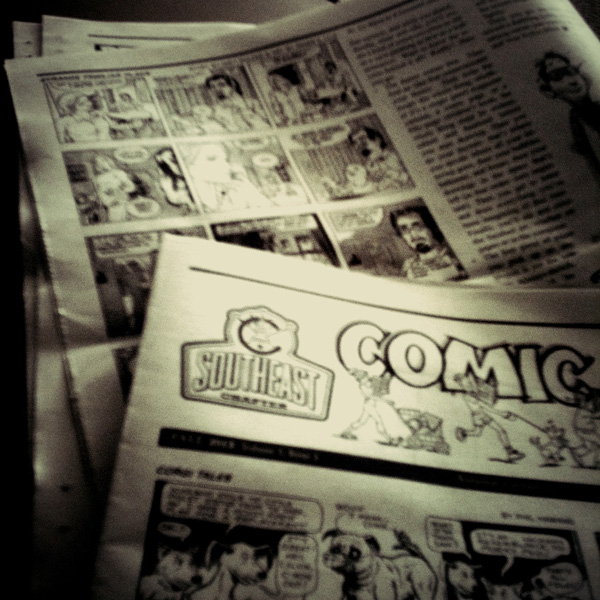
This makes practical sense as far as marketability. You don’t expect comic books sold at a doughnut shop. But what about a gas station? Of course, you purchase gas at a gas station, but most gas station owners don’t make profits from the sale of gasoline. Most of their revenue comes from products sold inside the gas station. In high school, I stopped by the gas station routinely to purchase comic books. Should blogs be doughnut shops or gas stations?

In the marketing world, as in the blogosphere, an individual who chooses a topic and sticks to it is a specialist or consultant. In Peter Rubie’s Telling the Story, he presents this definition of genres:

The development of genres came about as a marketing necessity. “Category” and “genre” are marketing terms… Their purpose is basically to help you more easily find what it is you’re looking for.

Telling the Story then goes on to list seven narrative nonfiction categories: adventure, travel books, biography, history, military, memoir and true crimes. The music industry follows the same protocol: country, pop, rock, hip-hop, and so on into the sub-genres of goth-metal, indie-folk-americana, afro-celt, etc. What Copyblogger proposes is to be marketable to your online audience. If you’re a tech blog, write about technology. If you’re an organic gardener, write about gardening. If you’re a mom, write about mommy stuff. That way your online readers are trained to expect only doughnuts at the doughnut shop.

The question is this: if blogs are specialized, will that make the community more or less knowledgable? I’ve noticed that art blogs often link to other art blogs. I understand that the reason for this is to create a strong community. The challenge with specializing content is that the specialists become islands of highly focused, topical knowledge surrounded by the waters of ignorance of other general knowledge. Jacques Barzun explores the idea of specialized knowledge and more in The House of Intellect. Let me go back to the opening paragraph where I stated “more recently, Thomas Jefferson…” Between Thomas Jefferson and our present information age, the society and culture has changed so dramatically that I wonder if our institutions of intellect suppress the nurture and nature of polymaths.

NOTE: https://coffeehousejunkie.wordpress.com/2010/06/18/is-it-possible-to-be-a-polymath-in-todays-culture/

A poem for the fifth Sunday in Lent (Passion Sunday), 2022

Saturday, the first weekend in April, snow fell thick all afternoon. A recording of Bach played from the living room stereo.

As I cleaned the kitchen, I remembered a conversation from earlier in the week. After a long thirteen-hour day, my co-worker asked what kind of books I’ve read recently. I shared a few titles. She replied, “Oh, wow, you read the classics. I only ready modern fiction.” It stung a bit. And I wanted to defend myself from being considered a fossil. The truth of the matter is that I do, in fact, read old books. And I enjoy reading them. But it does make conversations with people difficult.

I closed the dishwasher door and pressed the start button. I thought of another moment in the week. While troubleshooting a video looping file for a 42-inch display screen, I remembered how hungry I was that day. During lent, skipping one meal a day is manageable. Even if it was a long day. But it was more than “to keep/the larder lean. . . ” as Robert Herrick wrote in his poem “To Keep a True Lent.” [1] He concluded: “To starve thy sin,/Not bin;/And that’s to keep thy Lent.”

Another recollection while cleaning the kitchen. I read Geoffrey Hill’s translation of “Lachrimae Amantis.” [2] Hill’s poem was featured in an anthology. When I searched the public library system for his book Tenebrae I came up empty. (Not to be confused with his poem by the same name.)[3] Yet it seemed appropriate to consider “Lachrimae Amantis” on Passion Sunday.

At this dark solstice filled with frost and fire
your passion’s ancient wounds must bleed anew

“Lachrimae Amantis” by Geoffrey Hill

There was some leftover oatmeal at the bottom of a pot on the stove. As I cleaned the kitchen, I finished the rest of the steel cut oats with a sprinkle of brown sugar, almonds, a dozen raisins, and a tablespoon of yogurt. Is this breaking a lenten fast? Maybe I shouldn’t have added the yogurt. I washed it down with cup of black tea. Then proceeded to wipe down the stove top and counter. The oats and raisins reminded me of a poem by Dylan Thomas. The poem contains no Latin and no “thys.” Just the “oat and grape.”


This Bread I Break[4]
by Dylan Thomas

This bread I break was once the oat,
This wine upon a foreign tree
Plunged in its fruit;
Man in the day or wine at night
Laid the crops low, broke the grape’s joy.

Once in this time wine the summer blood
Knocked in the flesh that decked the vine,
Once in this bread
The oat was merry in the wind;
Man broke the sun, pulled the wind down.

This flesh you break, this blood you let
Make desolation in the vein,
Were oat and grape
Born of the sensual root and sap;
My wine you drink, my bread you snap.


NOTES:
[1] Robert Herrick’s poem “To Keep A True Lent. Accessed April 3, 2022. https://www.bartleby.com/360/4/180.html.

[2] Geoffrey Hill, Tenebrae (1979).

[3] Geoffrey Hill, “Tenebrae,” Accessed April 3, 2022 https://www.poetryfoundation.org/poems/48463/tenebrae.

[4] Dylan Thomas, This Bread I Break, Accessed April 3, 2022 https://allpoetry.com/This-Bread-I-Break.

A poem for the fourth week of Lent (Laetare Sunday), 2022

Cloudy, wet, cold, and windy. Weather report? Or state of the soul? Friday, I left the office to catch the street car in order to take the last train out of the city. But the street car seemed off schedule. I picked up my two bags of work gear and hiked through the city streets to discover that the East St. Paul Avenue bridge was out of commission. Orange cones and barricades blocked both ends of the bridge. That explained the dilemma of the street car. No bridge. No street car. At that point, the bags carried felt twice as heavy as when I left the office. I headed north on foot to the next bridge and made it in time to board the train home.

For a moment, as I stood outside the Milwaukee Public Market, home seemed so far away, if not out of reach. The invitation of home a distant sound. Once on the train, I reread a poem by Bei Dao. I read it earlier in the day, but sought to pick up the thread and continue digesting the poem. But in my fatigue, I skipped ahead a few pages and read a poem by Gu Chen. In that poem the speaker reports that his dark eyes seek the light.

After a few attempts at reading, I closed the book and watched the landscape pass by the window. I thought of a Lenten reading from Soren Kierkegaard: Christ sought followers not admirers. And John Donne’s meditation on the Scripture passage: they took My Lord away. Donne proposed that often “you yourself cast him away.” He offered that his followers diligently “seek him, . . . and seek him with a heavy heart, . . .” My mind pondered these thoughts. Do you want a comfortable life? An easy life on your own terms? Christ invites followers to something more.


The Risk
by Marcella Marie Holloway

You take a risk when you invite the Lord
Whether to dine or talk the afternoon
Away, for always the unexpected soon
Turns up: a woman breaks her precious nard,
A sinner does the task you should assume,
A leper who is cleansed must show his proof:
Suddenly you see your very roof removed
And a cripple clutters up your living room.

There’s no telling what to expect when Christ
Walks in your door. The table set for four
Must often be enlarged and decorum
Thrown to the wind. It’s His voice that calls them
And it’s no use to bolt and bar the door:
His kingdom knows no bounds of roof, or wall, or floor.

A poem for the third Sunday of Lent, 2022

Unseasonably warm for this time of year and this part of the country, my oldest children and I had an opportunity to go for a walk after a noon meal last week. The sun’s warmth felt good in spite of the wind. We discussed school and work and lent. At one point in the conversation I stated that three practices of the Christian faith include prayer, fasting, and almsgiving.

“What is almsgiving?” asked one child as we walked along a gravel path. I explained that almsgiving may be an antiquated term for giving to the poor and needy. Usually money and food. But may also include giving your time, energy and resources.

We walked a mile or so in the late-winter, Spring-like weather before returning to our tasks for that day.

My intention this lenten season was to share six poems — one for Ash Wednesday and five for the Sundays in Lent. But the search for good Lenten poems was quite challenging. Poems exploring prayer, repentance, self-denial, and generosity are difficult to find. At least poems that are crafted with integrity and sincerity.

Chris Davidson’s poem “Ash Wednesday” caught my attention. And the poem “The Risk” by Marcella Marie Holloway. Both of these poems I returned to and considered. This is the best way to understand a poem. Return to it and reread and meditate on it.

Malcolm Guite’s poetry, specifically his Stations of the Cross sonnets,[1] I recently discovered. In one sonnet, on the body of Christ removed from the cross, he ends with this couplet: “Yet in that prising loose and letting be/He has unfastened you and set you free.”

At this week’s worship gathering, after the Fraction and Eucharist the congregation sang “Holy Ground.”[2] Half way through the worship song is a bridge of double-word lines that punctuate the message. It was this song that reminded me of a Kathleen Norris poem.


Imperatives, Part 2 of Mysteries of the Incarnation
by Kathleen Norris

Look at the birds 
Consider the lilies 
Drink ye all of it 
Ask 
Seek
Knock
Enter by the narrow gate 
Do not be anxious 
Judge not; do not give dogs what is holy 
Go: be it done for you 
Do not be afraid 
Maiden, arise 
Young man, I say, arise 
Stretch out your hand 
Stand up, be still
Rise, let us be going . . .
Love
Forgive
Remember me


NOTES:
[1] Malcolm Guite’s Stations of the Cross sonnets. Accessed March 20, 2022. https://malcolmguite.wordpress.com/tag/stations-of-the-cross/.

[2] Passion – Official Live Video for “Holy Ground (feat. Melodie Malone).” Accessed March 20. 2022 https://youtu.be/xU771D5AYWE.

Now it is winter

The Repository of Neglected Things, published

Why was The Repository of Neglected Things written, illustrated and published?

The idea of this published project began grudgingly.

First, some background. Old sketchbooks, from decades ago, resurfaced when I cleaned the garage a year or so ago. 

“What am I going to do with these?” I asked my wife. 

“Save them,” she answered. 

The cleaning plan was to throw away or sell garage items. Throwing away these large sketchbooks was not an option. And neither was selling them. The black cloth cover hardback sketchbooks varied in sizes. Most of them were nine inches wide by 12 inches high with 96 to 110 pages. Some were smaller. The smallest was four inches wide by six inches high. The largest was 11 inches wide by 14 inches high. 

A navy blue cloth cover hardback sketchbook made its way from the garage to my desk. It measured six inches wide by nine inches high. The little blue book was half full of sketches. Or half empty. As many as 40 blank pages. My wife encouraged me to fill the blue cloth sketchbook with drawings. My children asked me to make more drawings. One of the children requested I storyboard a comic book. Or picture book. Reluctant, I began a few pencil drawings. My wife bought me some brush markers. I added more sketches. Once the blue sketchbook was filled with drawings, I reviewed it. Should I return it to the garage with the other black sketchbooks?

Summer faded to Autumn. A plan formed around the recently filled blue sketchbook. A mission to show my children that they can write and illustrate their own stories, their own books. The goal. Showcase their work in a print publication. A comic book. With creativity and energy they pulled their stories together. They learned about the process of creating a story, illustrating, organizing pages and layout, and basic pre-press tasks. The stories from the children featured one about cats baking muffins and another of a mouse warrior. My contribution to the anthology was selected drawings from the blue sketchbook. The art inside spanned twenty years. A single narrative titled “The Little Blue Sketchbook” tied the drawings together.

Finally, the publication The Repository of Neglected Things arrived. The children celebrated by flipping through the pages. They paused to examine their contributions. They read selections to each other. And then collected copies to send to friends and family. One child asked, “So, when do we publish the next edition?”

Shelter amid cold winter nights

“The first awareness of night was a world of darkness bounded by a streetlight’s glow, the barking of a distant dog, the stars, trees, dim houses. The sense of being enclosed by the night, of being protected, as it were, by the darkness, is ancient.” 

–August Derleth

January. The sun set half past four o’clock. Air temperature registered fifteen degrees Fahrenheit. As wind gusts rocked the automobile from side to side, the windchill felt more like five below zero. Pools of parking lot lights blurred from time to time with blowing snow.

I waited outside the grocery store for the oldest child’s shift to end. In better weather, the child walked to the grocery store. Or rode a scooter. But the long expected Wisconsin winter arrived with a fury. And walking, or riding, to work presented challenges.


The old auto’s engine idled as the heater worked to warm the vehicle’s interior. In spite of the effort, my feet were cold after twenty minutes of waiting in the south part of the parking lot. I wore insulated gloves as I read a library book from the glow of the parking lot lights.

As the heater fan moaned and engine grumbled, I thought of night and darkness and protection. From one of the books in the Sac Prairie Saga, these ideas rose before me like my breath in the winter air. The long nights of winter. The home brightened by Christmas tree lights. The contrast of the light and darkness. Protection and vulnerability. Is it vulnerability? Or destruction? Does not Epiphany land during the longest nights of the astronomical year?

A truck parked in front of my automobile. Head lamps blinded me. I looked away to the store exit until the driver turned off the headlamps and shuffled into the grocery store entrance. My eyes returned to the book and reread the passage. And the a half dozen more pages before a familiar stride passed below the parking lot light nearest me. I welcomed the child into the warm protection of the vehicle and drove home.

The young moon, a waxing crescent, appeared in the southwest like a cold smile. Jupiter, above the right tip of the crescent, glared down upon the frozen fields and village. I recalled not what we talked about on the way home, but the idea of shelter and safety persisted in my thoughts.

Later that night. After supper. After even prayers. I wrestled with an illustration. Measured, composed, and sketched. A world of darkness “bounded” by street lamps? The image of darkness leaping or jumping over glowing spheres of street lamps captivate my thoughts as I inked over the pencil marks on the illustration paper. Pen stroke after pen stroke filled the page until my eyes grew weary. And I surrendered to that ancient enclosure of night.

A poem for the second Sunday of Christmas, January 2, 2022

‘Tis the season of ennui. That American season between the week before Christmas and the week after New Year’s Day. The seasonal binge of activities, food and drink. How do the faithful resist this powerful cultural vortex? For my household, almost all plans were canceled due to health concerns. Whether in my house or in others’ homes, the concern that a scratchy throat, a sneeze, or a cough may be something worse than a seasonal head cold.

Christmas Day. My wife and I woke early and walked through the village at sunrise. The village was quiet. One pickup truck passed by us; heading south. But that was all.

Edmund Spenser’s sonnet Amoretti LXVIII includes the lines: “This joyous day, dear Lord, with joy begin,/And grant that we for whom thou diddest die,/Being with thy dear blood clean wash’d from sin,/May live for ever in felicity.” Christmas Day was quiet and full of joy and gratitude.

I introduced the family to Gian-Carlo Menotti’s 1950 libretto “Amahl and the Night Visitors.” There was quiet resistance. It is not a Disney musical. There are no Marvel comics superheroes. The cast is spare: three kings, a disabled child, and his mother. Yet as the opera unfolded, like all good stories, the children were captivated by the narrative. They laughed. Asked questions, what is happening now? Why are they singing? Are they really kings? And at the tense, comedic, warm, pivotal moment of the libretto King Melchior sings of love alone. That may be the remedy to ennui. Quiet, persistent, patient love.


Excerpt from “Amahl and the Night Visitors”
by Gian-Carlo Menotti

The child we seek
doesn’t need our gold.
On love, on love alone he will build his kingdom.
His pierced hand will hold no scepter.
His haloed head will wear no crown.
His might will not be built on your toil.
Swifter than lightning,

he will soon walk among us.
He will bring us new life,
and receive our death,
and the keys to his city belong to the poor.

A poem for the first Sunday of Christmas 2021

Christmas Day.[1] Last year. The Advent candles lit and allowed to burn all day. And into the evening hours. And until they extinguished themselves. With a death in the family, last year’s Christmas day was surreal and somber. Many activities that would have normally taken place did not due to pandemic restrictions.

This photo, from last year, captures many memories and thoughts. The white candle, sometimes called Christ’s candle in the Advent wreath, represents light, purity, and victory.

Light shines brightest in the dead of winter, in the confusion of depression and folly, and in the feeble snatching after victory from the gutter of defeat.

The poet, speaking in the voice of the magnus, asks “Birth or Death?” Whether King Baltazar, Kasper, or Melchior, the poet does not reveal. “I should be glad of another death.” This line echoes in my mind. Why not, I should be glad for another death? Or, I should be glad of death? Wrestle with this poem during the “worst time of the year.” Consider if the liotodes in the poem is “satisfactory.” Avoid googling what it means. Close the laptop. Turn off the mobile device. Watch the candle light and ruminate.


The Journey Of The Magi[2]

by T. S. Eliot

“A cold coming we had of it,
Just the worst time of the year
For a journey, and such a long journey:
The ways deep and the weather sharp,
The very dead of winter.”
And the camels galled, sore-footed, refractory,
Lying down in the melting snow.
There were times we regretted
The summer palaces on slopes, the terraces,
And the silken girls bringing sherbet.
Then the camel men cursing and grumbling
and running away, and wanting their liquor and women,
And the night-fires going out, and the lack of shelters,
And the cities hostile and the towns unfriendly
And the villages dirty and charging high prices:
A hard time we had of it.
At the end we preferred to travel all night,
Sleeping in snatches,
With the voices singing in our ears, saying
That this was all folly.

Then at dawn we came down to a temperate valley,
Wet, below the snow line, smelling of vegetation;
With a running stream and a water-mill beating the darkness,
And three trees on the low sky,
And an old white horse galloped away in the meadow.
Then we came to a tavern with vine-leaves over the lintel,
Six hands at an open door dicing for pieces of silver,
And feet kicking the empty wine-skins.
But there was no information, and so we continued
And arriving at evening, not a moment too soon
Finding the place; it was (you might say) satisfactory.

All this was a long time ago, I remember,
And I would do it again, but set down
This set down
This: were we led all that way for
Birth or Death? There was a Birth, certainly
We had evidence and no doubt. I had seen birth and death,
But had thought they were different; this Birth was
Hard and bitter agony for us, like Death, our death.
We returned to our places, these Kingdoms,
But no longer at ease here, in the old dispensation,
With an alien people clutching their gods.
I should be glad of another death.


NOTES:
[1] Post updated December 30, 2021.

[2] The Poetry Archive, “Journey of the Magi” by T. S. Eliot read by the poet. Accessed December 30, 2021. https://poetryarchive.org/poem/journey-magi/

A poem for the fourth Sunday of Advent 2021

Early. An hour before sunrise. Coffee and poems at the kitchen counter. All the apartment was asleep. I read: “Fyre, erd, air, and watter cleir,/To Him gife loving, most and lest,/That come into so meik maneir;/Et nobis puer natus est.”

I love old things. Ancient verse among my favorite. These lines from William Dunbar’s poem “On the Nativity of Christ”[1] take a bit of reading and rereading to unpack the Scottish and Latin lines. And the poem “Veni, Creator Spiritus”[2] by John Dryden features the lines: “And peace, the fruit of love, bestow;/And, lest our feet should step astray,/Protect, and guide us in the way.”

What poem best fits the fourth Sunday of advent? The angels announced that the promised Messiah had come to bring peace.

Distracted. For many minutes I was distracted by a web site with images of famous paintings[3] of the adoration of the shepherds. Maybe it was an hour of distraction. I was frying eggs and toasting bread while looking at the paintings. William Blake’s illustration of Milton’s work[4] is omitted from the collection. His imagination of a brilliant ball of angels in the sky above shepherds[5] remained with me.

Then there was an explosion of household morning activities and responsibilities.

It was not until after the noon meal that my thoughts returned to this meditation. The fourth Sunday of Advent. Peace. The priest mentioned in the sermon that there is a liturgy of life we all participate in daily. He encouraged us to ditch the device and be present. Presence. That reminded me of the following poem by Denise Levertov.


Making Peace
by Denise Levertov

A voice from the dark called out,
             ‘The poets must give us
imagination of peace, to oust the intense, familiar
imagination of disaster. Peace, not only
the absence of war.’
                                   But peace, like a poem,
is not there ahead of itself,
can’t be imagined before it is made,
can’t be known except
in the words of its making,
grammar of justice,
syntax of mutual aid.
                                       A feeling towards it,
dimly sensing a rhythm, is all we have
until we begin to utter its metaphors,
learning them as we speak.
                                              A line of peace might appear
if we restructured the sentence our lives are making,
revoked its reaffirmation of profit and power,
questioned our needs, allowed
long pauses . . .
                        A cadence of peace might balance its weight
on that different fulcrum; peace, a presence,
an energy field more intense than war,
might pulse then,
stanza by stanza into the world,
each act of living
one of its words, each word
a vibration of light—facets
of the forming crystal.


NOTES:
[1] This is a helpful blog post and video to help appreciate Dunbar’s poem. “On the Nativity of Christ. A poem by William Dunbar” by Celtic Cadences, June 7, 2009. Accessed December 19, 2021. https://celticcadences.wordpress.com/2009/06/07/on-the-nativity-of-christ-a-poem-by-william-dunbar-court-poet-james-4th-iv-scotland/
[2] “Veni Creator Spiritus” by John Dryden. Accessed December 19, 2021. https://www.bartleby.com/337/580.html
[3] “10 Most Famous Adoration of the Shepherds Paintings” by Zuzanna Stanska, December 25, 2017. Accessed December 19, 2021. https://www.dailyartmagazine.com/famous-adoration-of-the-shepherds-paintings/
[4] From John Milton’s poem: “At last surrounds their sight/A globe of circular light,/That with long beams the shame-fac’d Night array’d;/The helmed Cherubim/And sworded Seraphim/Are seen in glittering ranks with wings display’d,…” “On the Morning of Christ’s Nativity” by John Milton. Accessed December 19, 2021. https://www.poetryfoundation.org/poems/44735/on-the-morning-of-christs-nativity
[5] Illustration 2 to Milton’s “On the Morning of Christ’s Nativity”: The Annunciation to the Shepherds from the Huntington Library, Art Museum, and Botanical Gardens. Accessed December 19, 2021. https://emuseum.huntington.org/objects/64/illustration-2-to-miltons-on-the-morning-of-christs-nativ

A poem for the third Sunday of Advent 2021

An ink study of Viktor Paul Mohn’s illustration

Glad for weariness? The idea that things would slow down last week was an illusion I tried to maintain. My desire was to avoid the hectic and dwell deeply during this Advent season. But the pace of projects at work and helping neighbors and family with medical appointments propelled me and my household through the week.

So, my thoughts remained on the themes of the second week of Advent. Though it is now Gaudete Sunday. The annunciation continues to capture my attention.

In Bernard of Clairvaux’s “Annunciation Dialogue,” he considered the gospel of Luke account. “Be it unto me according to your word,” said Mary. There is wonder, mystery, and humility in the story that I can not escape.

From a sea of fractured thoughts, I washed ashore from the shipwreck of last week. I drew a quick ink study of Viktor Paul Mohn’s no room illustration. The plan was to post the drawing, a thought, and a poem. But the thought and poem disappeared. The notes I left myself read:

  • Shepherd’s Candle
  • rose or pink
  • shepherds rejoice at the announcement from the angels
  • joy and rejoicing

Though the drawing above does not match the following poem, I am reminded of what Fr. Olsen shared to congregants this weekend. From the gospel of Luke, he said, that people were in expectation. The annunciation may have been a secret to all but a few, but there was an unexplained expectation in the hearts and minds of people.


The Shepherd’s Song

by Georg Johannes Gick

I am the shepherd’s song, I sing
here in the stable’s shadow,
and all men come; like lambs I bring
them to the Christmas meadow.

I call them through the winter night,
lost out there in the bitter cold;
Oh come and see how love is bright
in the Good Shepherd’s fold!

If there should come some weary one
still late at night that I could bless,
I’ll be content my singing’s done
and glad for weariness.

A poem for the second Sunday of Advent 2021

An ink study of Fra Angelico’s The Annunciation

On a note card is written thoughts and themes about the second week of Advent.

  • Love
  • Faith
  • Bethlehem
  • purple candle
  • the prophet, Micah, foretold the birthplace in Bethlehem
  • the city of David
  • preparation for the king

My desire was to compose some meaningful prose to mark the celebration.

But, very early this morning, I watched sleet turn to snow and then to rain. My mind drifted in this irrational season. Eventually, I put the pen down, stuffed the notecard in my pocket and went for a long walk with a friend and brother. This poem by Madeleine L’Engle seems most appropriate for this second week.


After Annunciation

Madeleine L’Engle

This is the irrational season
when love blooms bright and wild.
Had Mary been filled with reason
there’d have been no room for the child.

A poem for the first Sunday of Advent 2021

The youngest child asked, “Why is the candle purple?”

I lit the first candle of the Advent wreath as we gathered around the dining table and prepared to celebrate the first Sunday of Advent.

It is called the “prophets candle” and it is purple to represent royalty, I said. The first candle reminds us of the hope God’s people had that a King was promised.

How does it do that? the child asked.

Let’s read and find out.

We read passages from the prophet Isaiah and the gospel of Luke.

After the first Sunday of Advent celebration, my tired mind tried to find a suitable poem. Thankfully, I had set aside a half dozen poems for consideration last year. This Sabbath poem from Wendell Berry seems to fit with the theme of the prophets candle.


Sabbath Poem VII

Wendell Berry

The clearing rests in song and shade.
It is a creature made
By old light held in soil and leaf,
By human joy and grief,
By human work,
Fidelity of sight and stroke,
By rain, by water on
The parent stone.
We join our work to Heaven’s gift,
Our hope to what is left,
That field and woods at last agree
In an economy
Of widest worth.
High Heaven’s Kingdom come on earth.
Imagine Paradise.
O Dust, arise!

What do you see in this photo?

A lot of things have changed in the last ten years. This photo captures an early Monday morning in downtown Asheville, North Carolina. When I look at this photo, I see a thousand words of visual storytelling. But I also see what is left out. Each photo is framed in such a manner as to communicate what the photographer intends. What do you see in this photo? If you had to write a thousand words about this photo, how would the first sentence read?

coffeehousejunkie's avatarCoffeehouse Junkie

Foggy morning. Downtown Asheville.

View original post

Designed for cultural events

The morning was cool for July. The dew point moderate. Not too humid. The sun had risen an hour before my wife and I drove through the countryside to meet a friend for breakfast and coffee. Wildflowers of purple and white filled the ditches along the roadside. The windows of the motor vehicle rolled down just a bit to catch the rush of air and scent of summer.

At the cafe, we enjoyed our morning meal and coffee. I brought an old sketchbook and some Pitt Artist Pens to practice dormant skills during the after-meal conversation. My confidence in these abilities has deteriorated as more and more my job demands extensive screen time. The computer screen, keyboard, and trackpad create a distance between the art and the art maker — between the graphic and the graphic designer. My concern is that of atrophy. Will my mind and body remember how to sketch the lip of a glass? Was this a false concern? Maybe. Maybe not.

Steven Heller wrote of the Polish designer Trepkowski that his posters were “designed for cultural events” and did not depend on weekly sales goals or production reports. The brush of the Pitt Artist Pen handled the curve of the coffee mug and quick short strokes of a plate’s shadow. This ink drawing captured a small cultural event. A meal among friends on a summer morning.

Why wake up before sunrise?

Why wake up at 4:30 a.m.? For a moment like this. A sliver of the moon is barely visible in the pre-dawn hour. Within 45 minutes she will no longer be seen. The sky will be too bright–even at 5:30 a.m. It is not quiet–like some people may think. Birds chirp in choruses deep in the shadows of shrubs and trees. And because it has been so hot recently, the loud buzz and hum of air conditioning units in the apartment complex going on and off at intervals punctuates the hour. Despite the audible sounds, there is a silence that allows the mind, body, and spirit some time to focus before the clatter and clutter of the day disrupt attention.

Independence Day parade 2021

Fourth of July parades in small town America reflect a cross section of a nation. Antique tractors, classic automobiles, fire engines, floats and flatbeds, and horses and riders all pass by crowds of Catholics, Protestants, and Sikhs. United we stand along a two-lane country highway under a blazing hot sun to cheer and wave at family, friends, and neighbors in our community.

What were you reading ten years ago?

Ten years ago I published this photo of a nightstand stack of books. I looked at the photo and wondered what changes occurred in my reading habits or tastes during the last ten years. Then I asked, what is on my desk today? After some thought, I wrote a blog post. Or rather an essay regarding my observation. But it was long.

I did not publish the post. Instead, I merged the photos together for comparison. Pictures are worth a thousand words. In this case, two thousand words. And this post will only take a minute to read, rather than 15 to 20 minutes.

Morning fog

Ten years ago today I had no idea that this image — captured during a morning jog — marked the end of one era and the beginning of another. When I look at this image I remember when I took the photo, what I was thinking, where I was, who I needed to talk to, and why. Everything seemed to change that week.

What were you doing five years ago?

The damage one groundhog did to a garden in a single morning.

I searched through the archives this morning as I waited for the work laptop to install software updates.

Five years ago this month I posted two blog posts. The entire month. Looking back, that may be an average. June is a light month for postings when compared year over year. Except in 2011 — that month 79 blog posts were offered.

Ten years ago to the date I posted the above photo in this blog post. Not mentioned at the time was that a female groundhog had eaten all the young broccoli and greens that had been planted earlier that spring. An expert was called in and he humanely captured the mother and her two pups. He informed me that groundhogs mate in early spring. Female groundhogs have really short pregnancies. So, by June the groundhog in our area was a very busy mother. It was difficult to get angry at the groundhog for eating most of my spring plantings. She was just doing what groundhogs do. Mother and pups were safely relocated to one of the nearest state parks.

Fifteen years ago this month I published a weekly column. I had been invited to contribute a weekly column by another writer. At some point I considered collecting those columns in to a book. But that manuscript, or manuscripts, is probably buried in a junk drawer somewhere in the garage.

Twenty years ago. No blog. No laptop. Just a black cloth hardback sketchbook. I sketched a model sheet for a comic book proposal.

Has it been ten years?

Almost ten years ago to the date, Caleb Beissert, a poet, translator and musician, read a Lorca translation at the Kava Bar open mic. See original post: https://coffeehousejunkie.net/2011/06/08/caleb-reads-a-lorca-translation-at-the-kava-bar/

Two years later his book Beautiful, translations of Federico García Lorca and Pablo Neruda, would be published.

For some reason, I have been thinking a lot about the Asheville poets and the impact they made on my life.

Researching an allegory

Previously mentioned, the above image is an old sketch of the Luther Terry painting.

On weekends, I visited an art museum when I was younger. With pen and black cloth sketchbook, I recorded the painting in to my sketchbook. Practiced drawing. Researched an allegory.

But capitalism is a poor cultivator of the arts. For the price of an item of beauty and value, some would pay the same price for a 728 pixel wide by 60 pixel high web banner. A digital item that pastes at the top of a web page or email for a week or two and then disappears.

The lesson I quickly learned is that beauty is not useful. Art and design that is practical and commercial are valued in America. Sacrifice the permanent on the alter of immediate. This utilitarian principle fuels professional success. Or at least provides employment.

This drawing in my sketchbook reminds me that I once believed that beauty is lasting. And, I still do.

The conversation went something like this. . .

“Are you thinking about painting again?”

“Thinking.”

“I see the easel is up.”

“Yeah. I was cleaning up some stuff in the garage and wanted to see of the easel was in working order.”

“Is it?”

“Sort of. . . the base wobbles. . . but that can be repaired with a wooden shim.”

“And you have a canvas on the easel.”

“Yes. . . well. . . wanted so see if the canvas was secure on the front lower horizontal bar. The top bar works. But I may need to replace the wing nut on the lower bar.

“Looks like you started painting.”

“No. Not really. Gessoed over an old painting. . . Several years ago.”

“What was wrong with the old painting?”

“It was a sketch. . .”

“Well, looks like supper is almost ready.”

“Yeah. . . you hungry?”


Later. After supper.

In the garage, old sketch books revealed ideas for paintings. Sharpie marker drawings. Charcoal sketches. Conte crayon drawings. Graphite sketches.

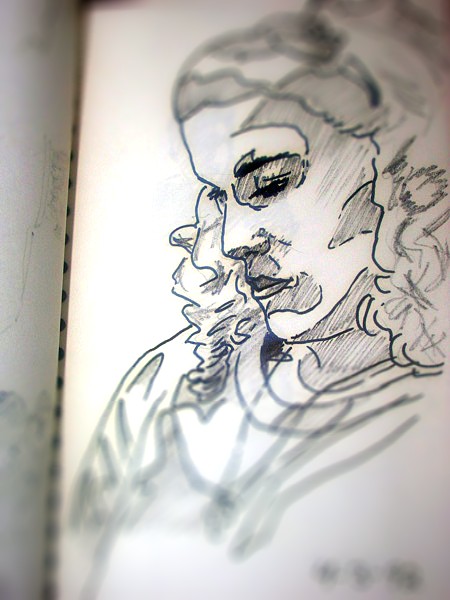
The sketch of a female profile. To be used in a composition inspired by a Luther Terry painting. An allegory. But who should model for the composition’s three figures? Many sketches. Poses. Lighting. All collected in thick hardcover black sketch books. One sketch earns a few minutes of consideration. Maybe. . .

A sigh. A glance outside the garage. Shadows lengthened to darkness. Sun has set.