Milwaukee Art Museum school tour

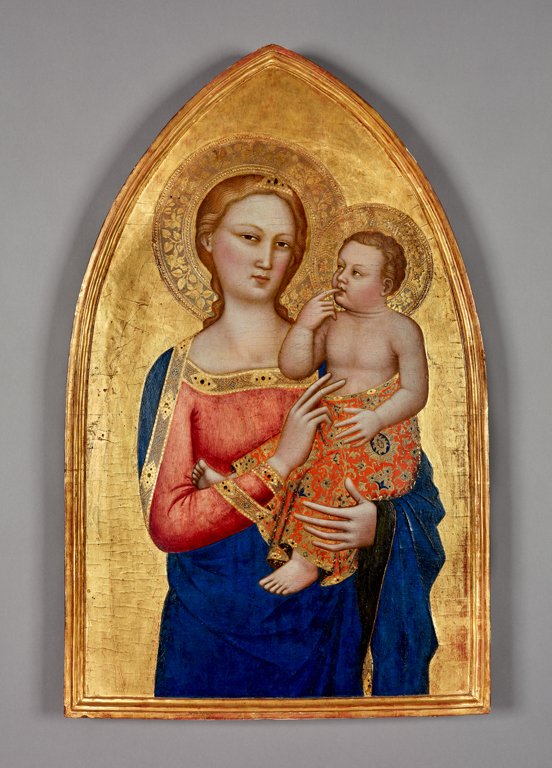
The tour agenda planned for Nov. 11 will highlight paintings and sculptures covering nearly 700 years of Western art. With thousands of art objects to consider, I narrowed the focus to the list provided below. The idea is to feature on one or two works of art per century with the exception of the last two centuries. The tour is organized chronologically in reverse beginning with Wiley’s St. Dionysus, 2006 and concluding with Nardo di Cione’s Madonna and Child, 1350. Below is the planned list of art pieces for Sunday’s tour:  

Contemporary

Kehinde WileySt. Dionysus, 2006

http://collection.mam.org/details.php?id=17255

 Chuck Close, Nancy, 1968

http://collection.mam.org/details.php?id=1114 

Modern

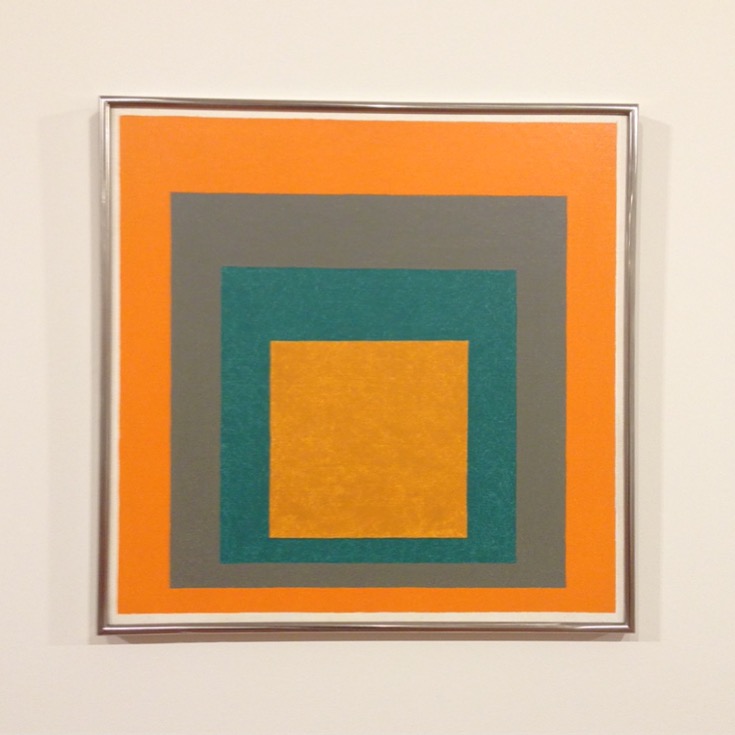
Josef Albers, Homage to the Square, 1958

http://collection.mam.org/details.php?id=2018

Anne TruittSummer Sentinel, 1963–72

http://collection.mam.org/details.php?id=2249

Pablo Picasso (Spanish, 1881–1973)

The Cock of the Liberation (Le Coq de la Liberation), 1944

http://collection.mam.org/details.php?id=7139

Georgia O’Keeffe (American, 1887–1986)

Grey and Brown Leaves, 1929

http://collection.mam.org/details.php?id=11193


1800-1899

Thomas Moran (American, b. England, 1837–1926)

Three Mile Harbor, Long Island, 1889

http://collection.mam.org/details.php?id=31680

Jules Bastien-Lepage (French, 1848–1884)

Le Père Jacques (The Wood Gatherer), 1881

http://collection.mam.org/details.php?id=21819

Winslow Homer (American, 1836–1910)

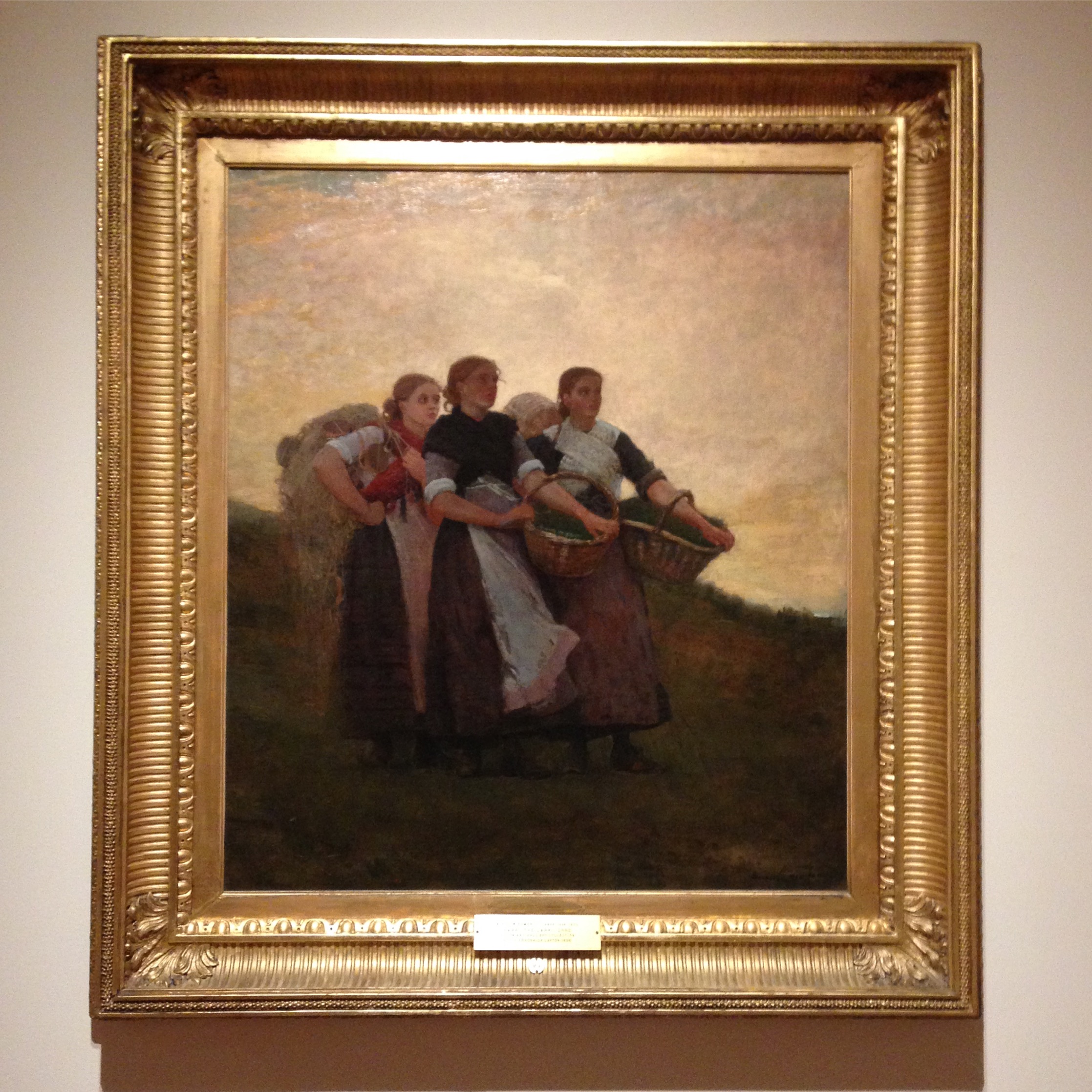
Hark! The Lark, 1882

http://collection.mam.org/details.php?id=19577

Christian Ludwig Bokelmann (German, 1844–1894)

The People’s Bank Shortly Before the Crash, 1877

http://collection.mam.org/details.php?id=16919


1700-1799

Adriaen van der Werff (Dutch, 1659–1722)

Doubting Thomas (The Incredulity of St. Thomas), 1710

http://collection.mam.org/details.php?id=10243

Antonio Balestra (Italian, 1666–1740)

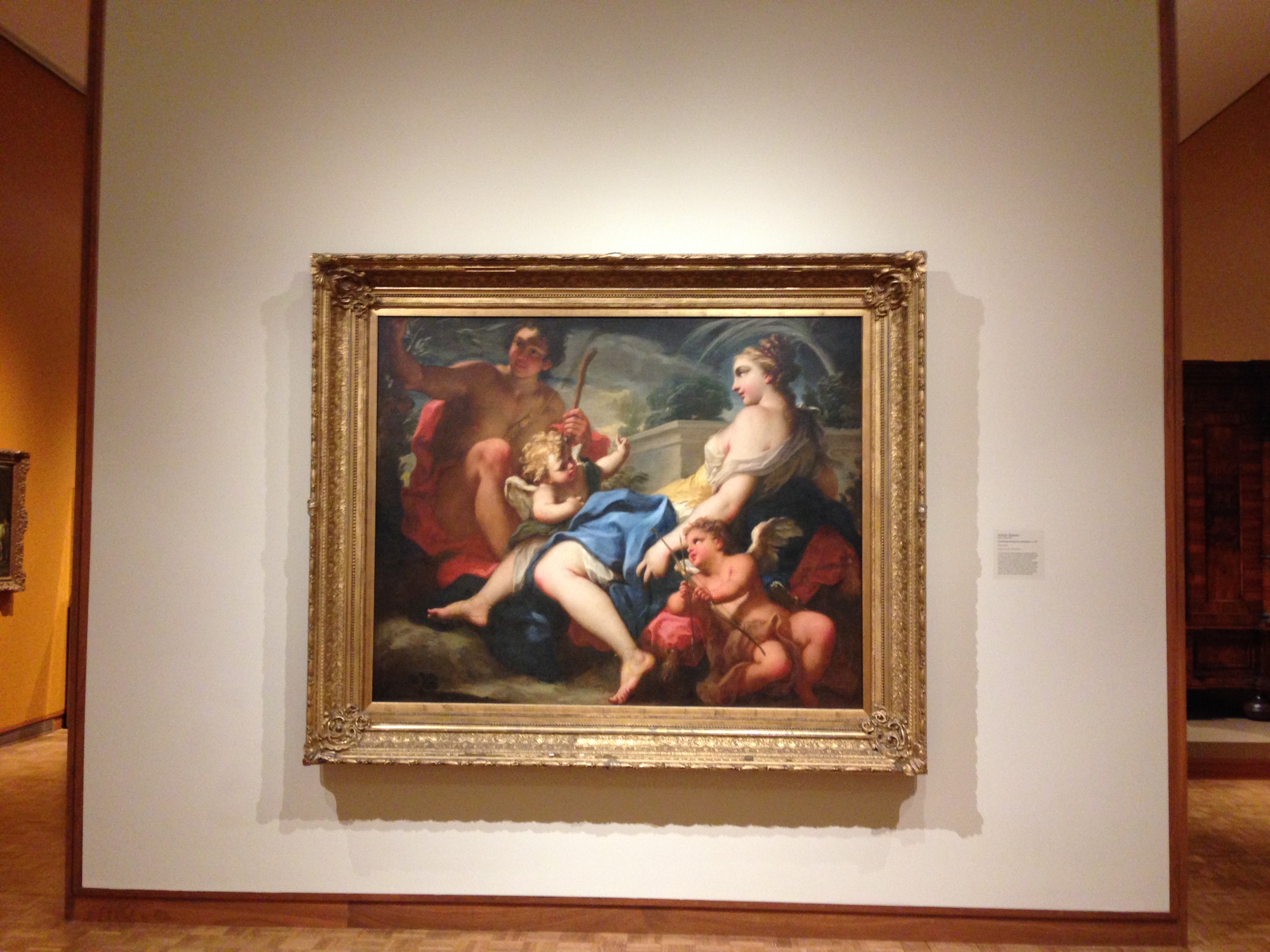
The Meeting of Telemachus and Calypso, ca. 1700

http://collection.mam.org/details.php?id=13519


1600-1699

Giovanni Benedetto Castiglione (Italian, 1609–1664)

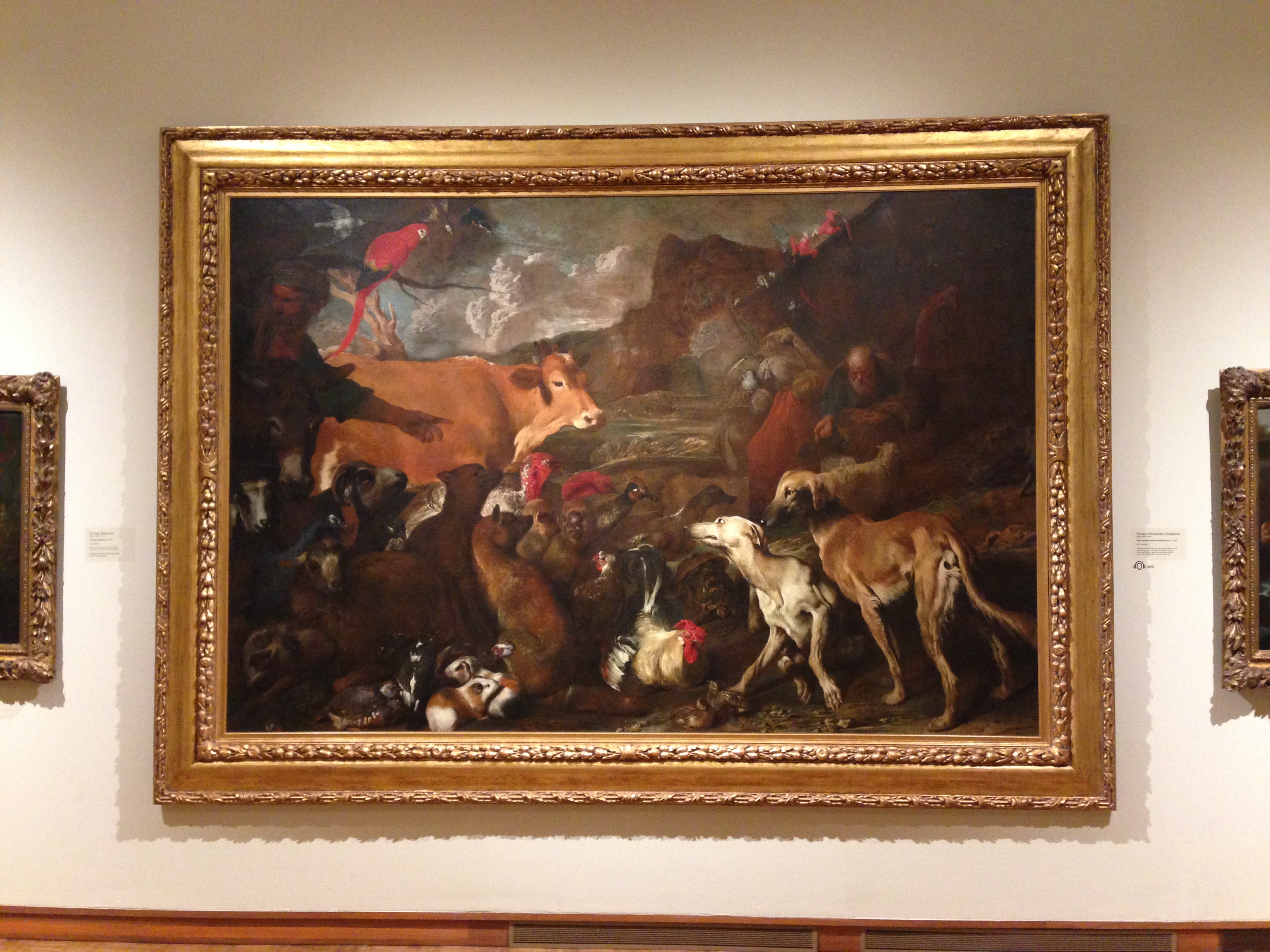
Noah and the Animals Entering the Ark, ca. 1650

http://collection.mam.org/details.php?id=5020

Matthias Stom[er] (Dutch, ca. 1600–after 1652)

Christ Before the High Priest, ca. 1633

http://collection.mam.org/details.php?id=4902


1500-1599

Triptych with Josiah and the Book , ca. 1550

http://collection.mam.org/details.php?id=15359

Battista Dossi (Italian, ca. 1490–1548)

Noli Me Tangere, ca. 1520

http://collection.mam.org/details.php?id=3626


1400-1499

Francesco Botticini (Italian, 1446–1497)

Madonna Adoring the Child, ca. 1480

http://collection.mam.org/details.php?id=381


1300-1399

Nardo di Cione (Italian, ca. 1320–1365 or 1366)

Madonna and Child, ca. 1350

http://collection.mam.org/details.php?id=6953

Milwaukee Art Museum — self guided tour

Contemporary

Chuck Close, Nancy, 1968

http://collection.mam.org/details.php?id=1114
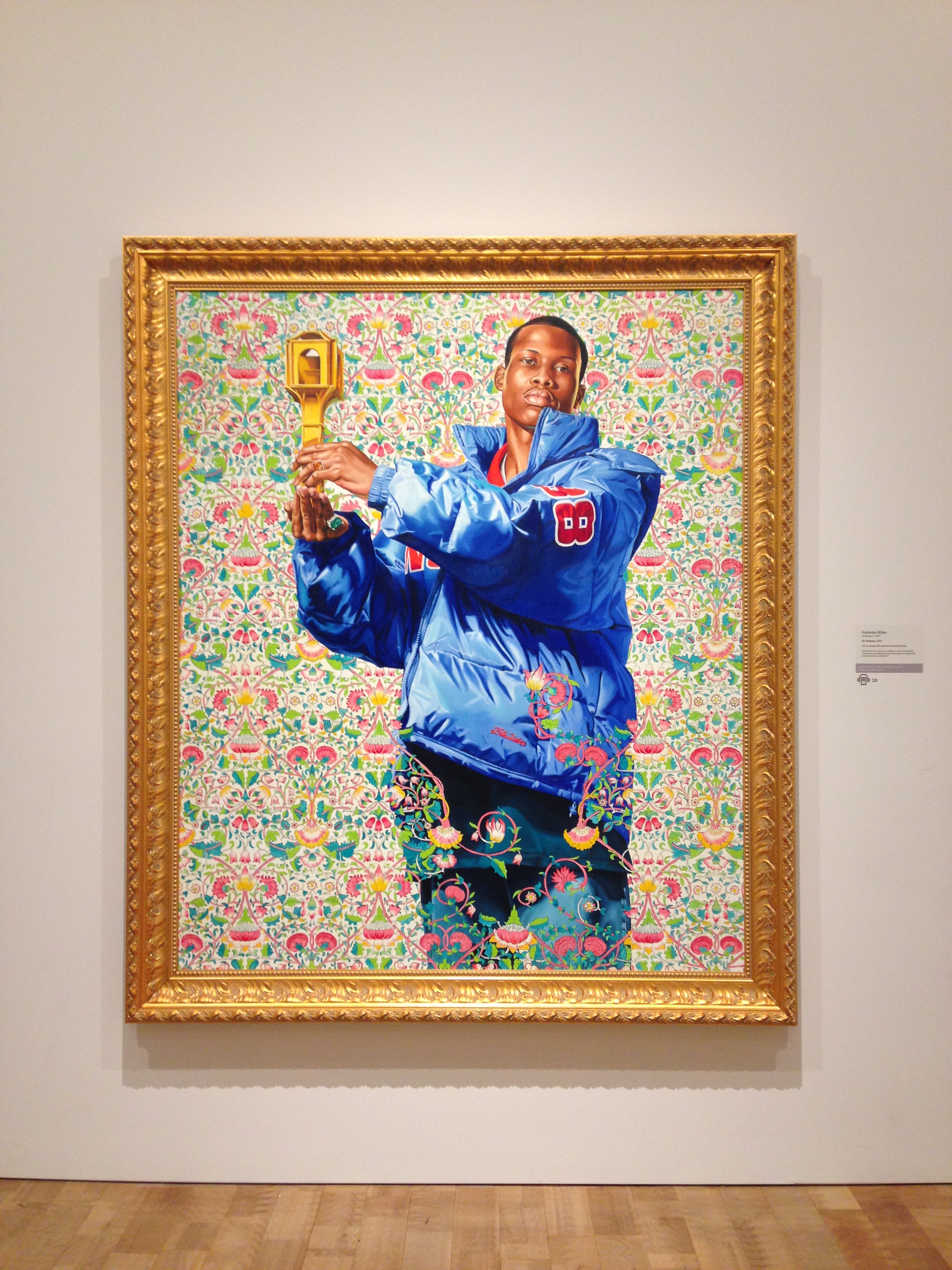
 

Kehinde Wiley, St. Dionysus, 2006

http://collection.mam.org/details.php?id=17255

Modern

IMG_1336

Josef Albers, Homage to the Square, 1958

http://collection.mam.org/details.php?id=2018
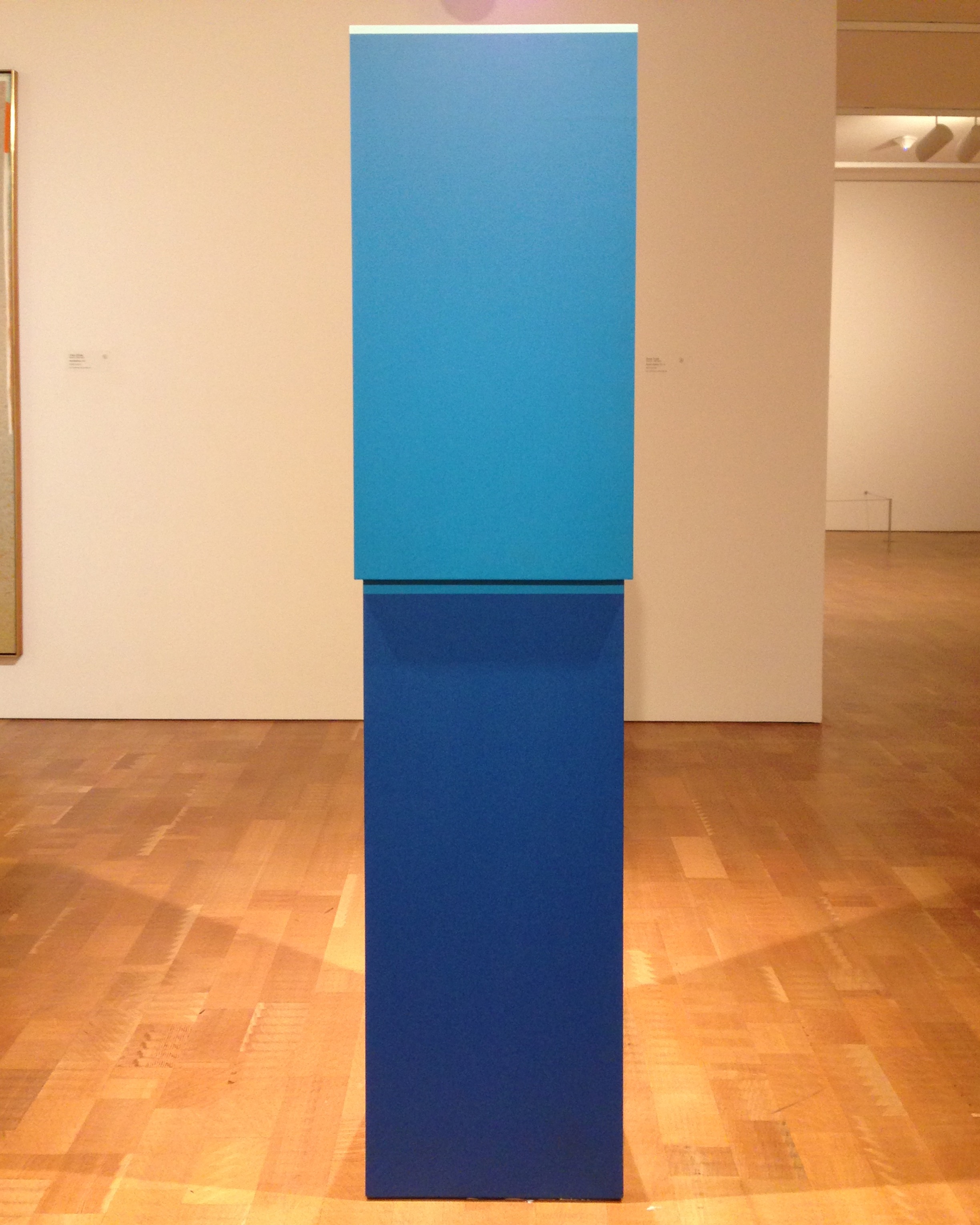
 

IMG_1337

Anne Truitt, Summer Sentinel, 1963–72

http://collection.mam.org/details.php?id=2249
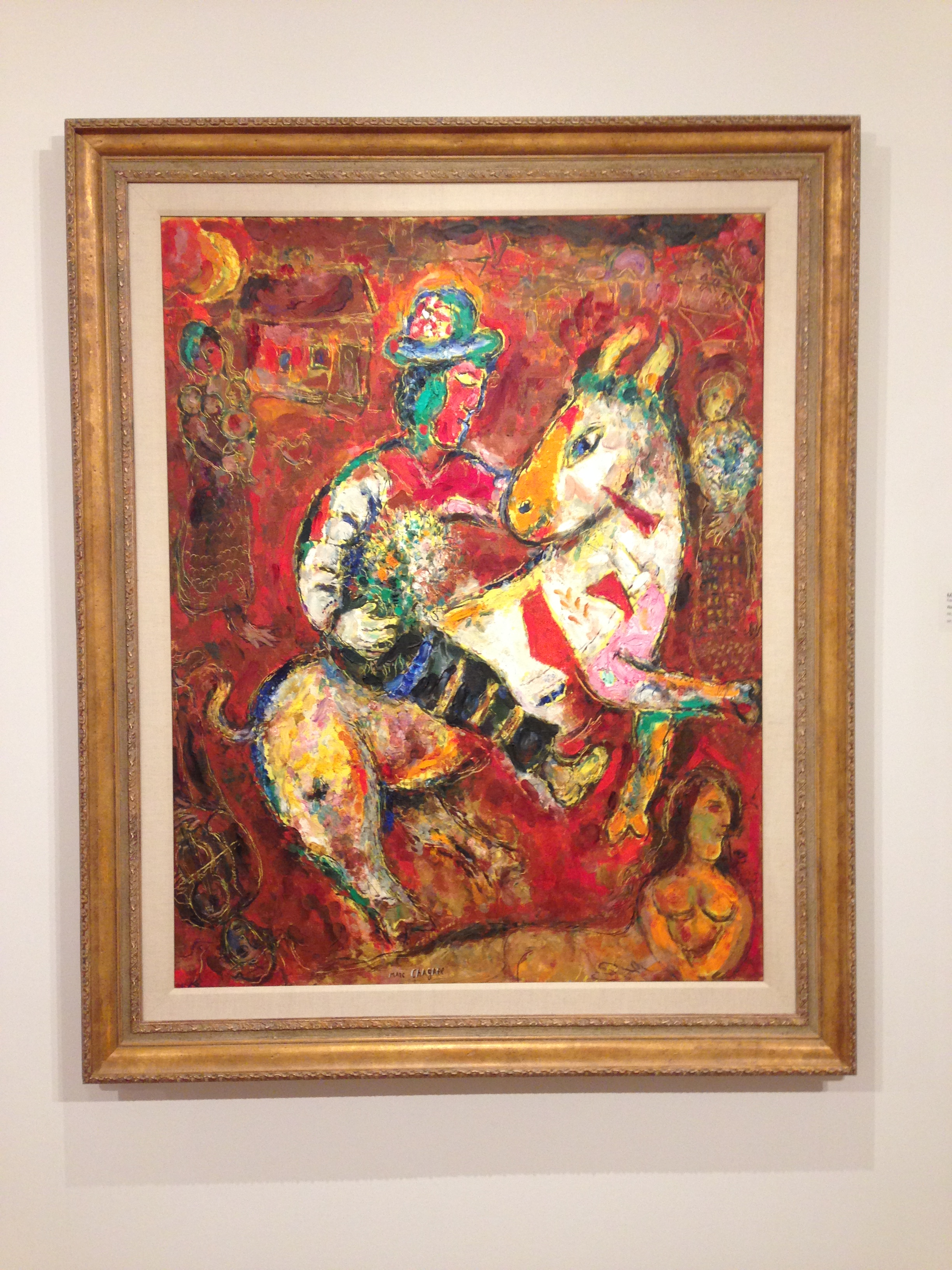
 

Marc Chagall, The Horseman, 1966

http://collection.mam.org/details.php?id=9801
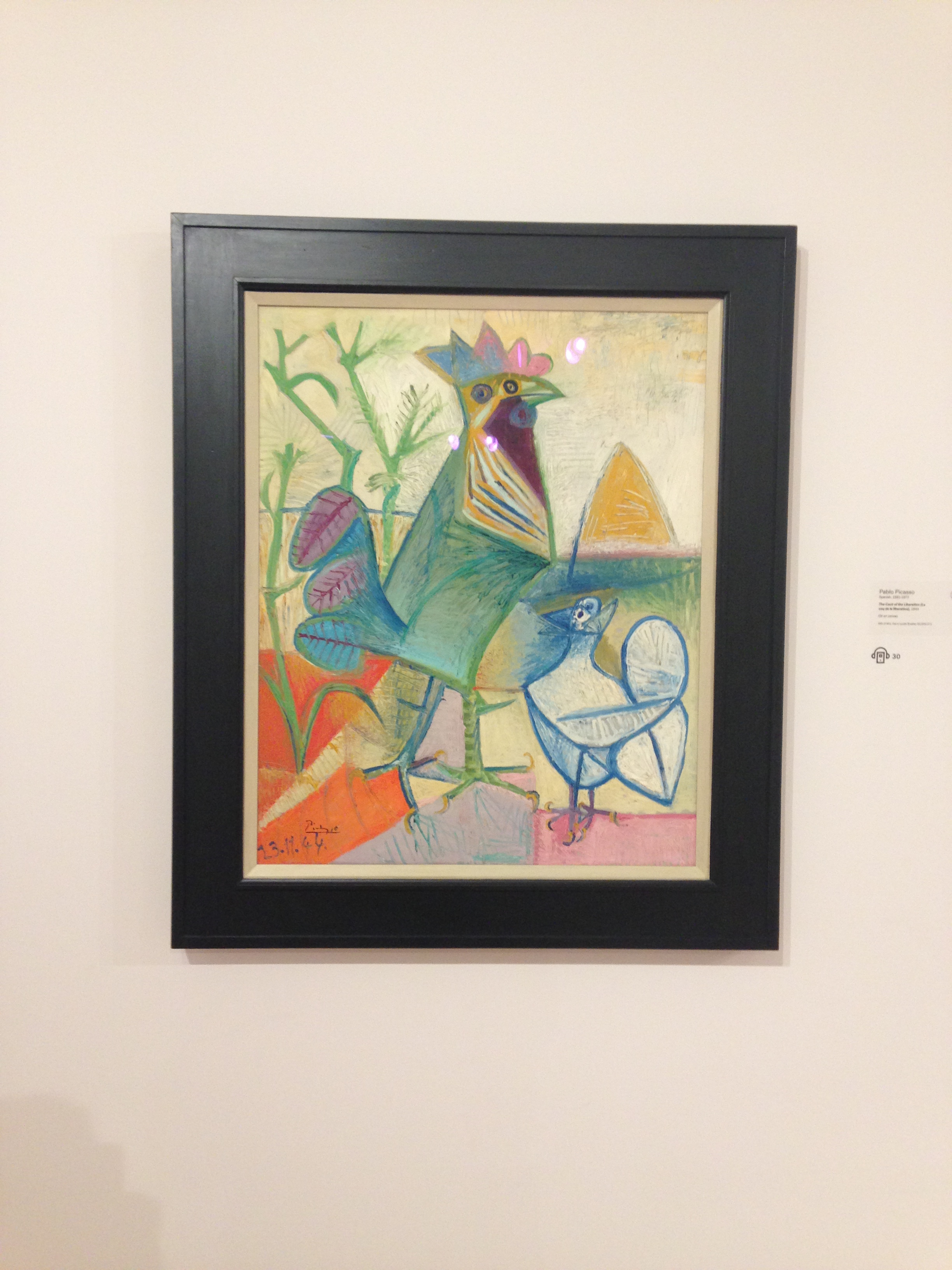
 

IMG_1273

Pablo Picasso, The Cock of the Liberation (Le Coq de la Liberation), 1944

http://collection.mam.org/details.php?id=7139
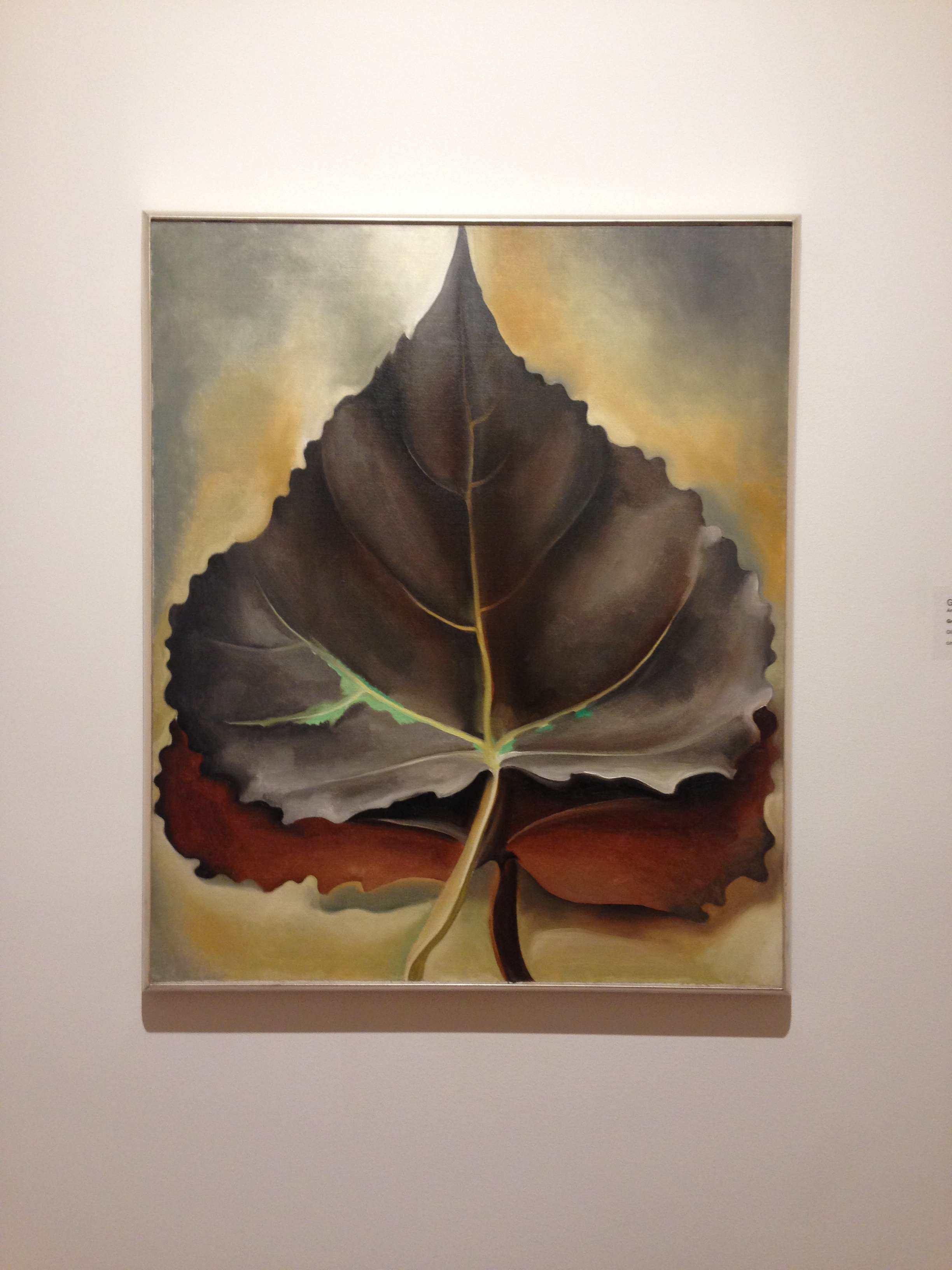
 

IMG_1281

Georgia O’Keeffe, Grey and Brown Leaves, 1929

http://collection.mam.org/details.php?id=11193
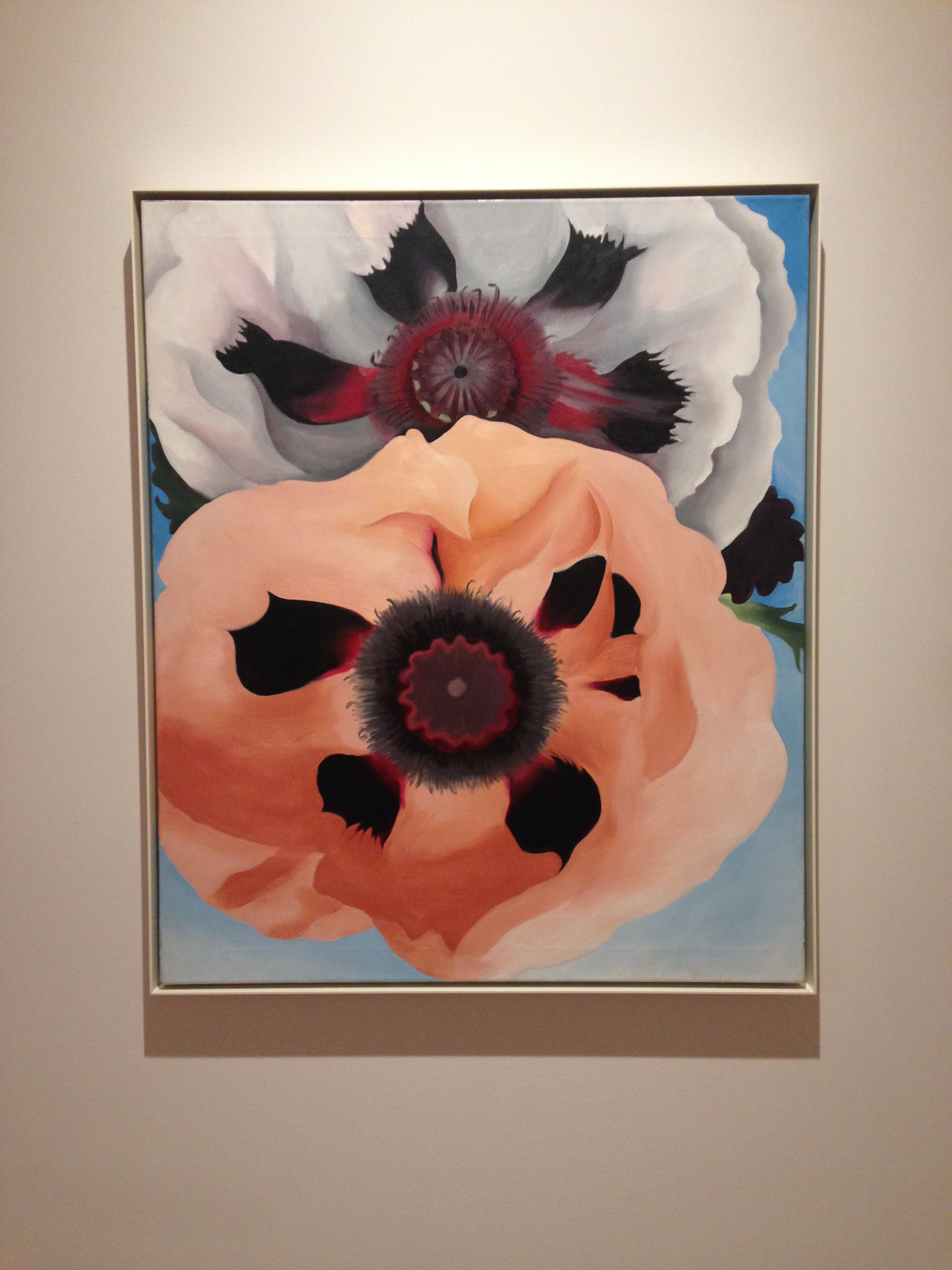
 

Georgia O’Keeffe, Poppies, 1950

http://collection.mam.org/details.php?id=9281
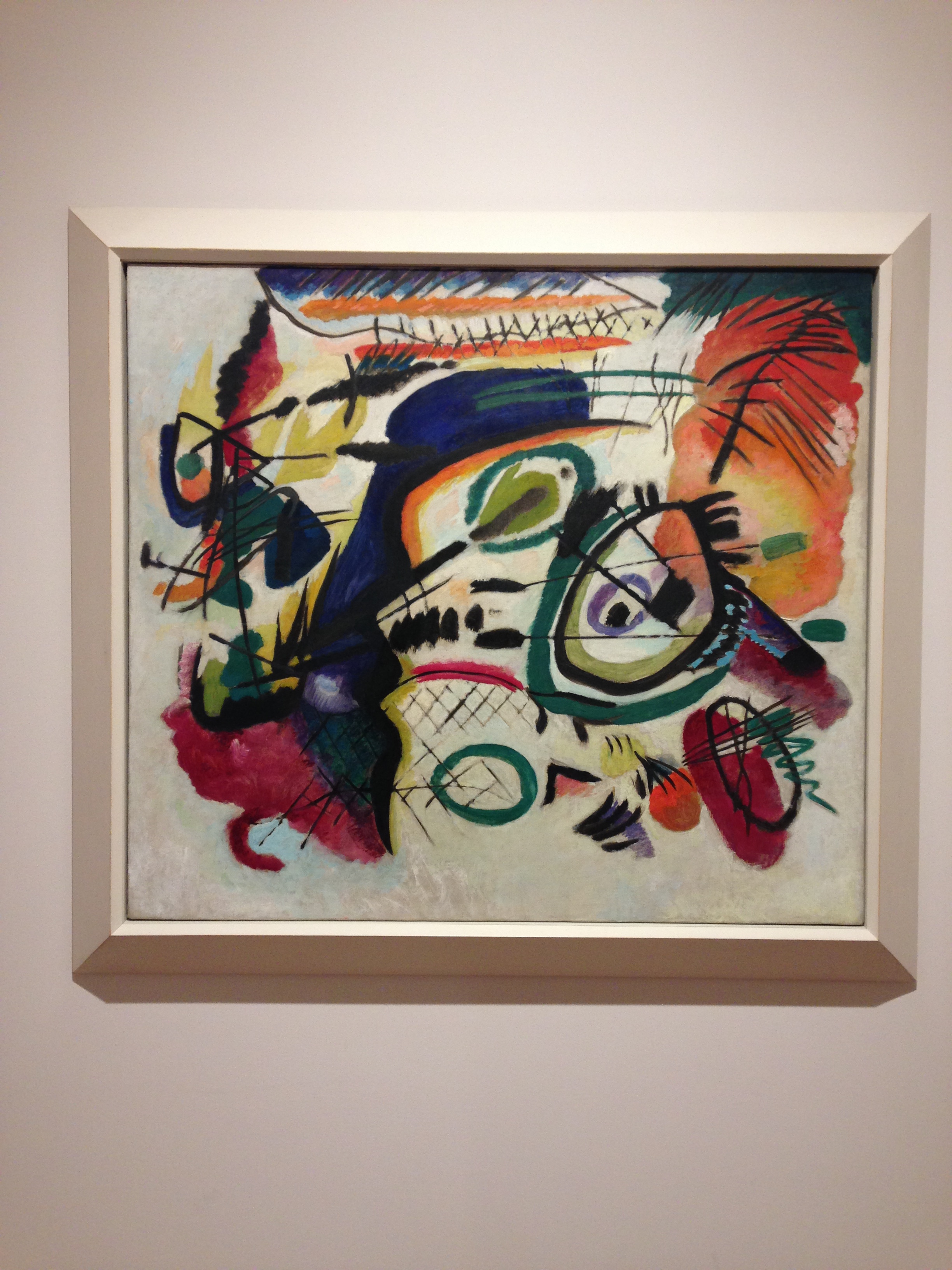
 

Wassily Kandinsky, Fragment I for Composition VII (Center), 1913

http://collection.mam.org/details.php?id=14384
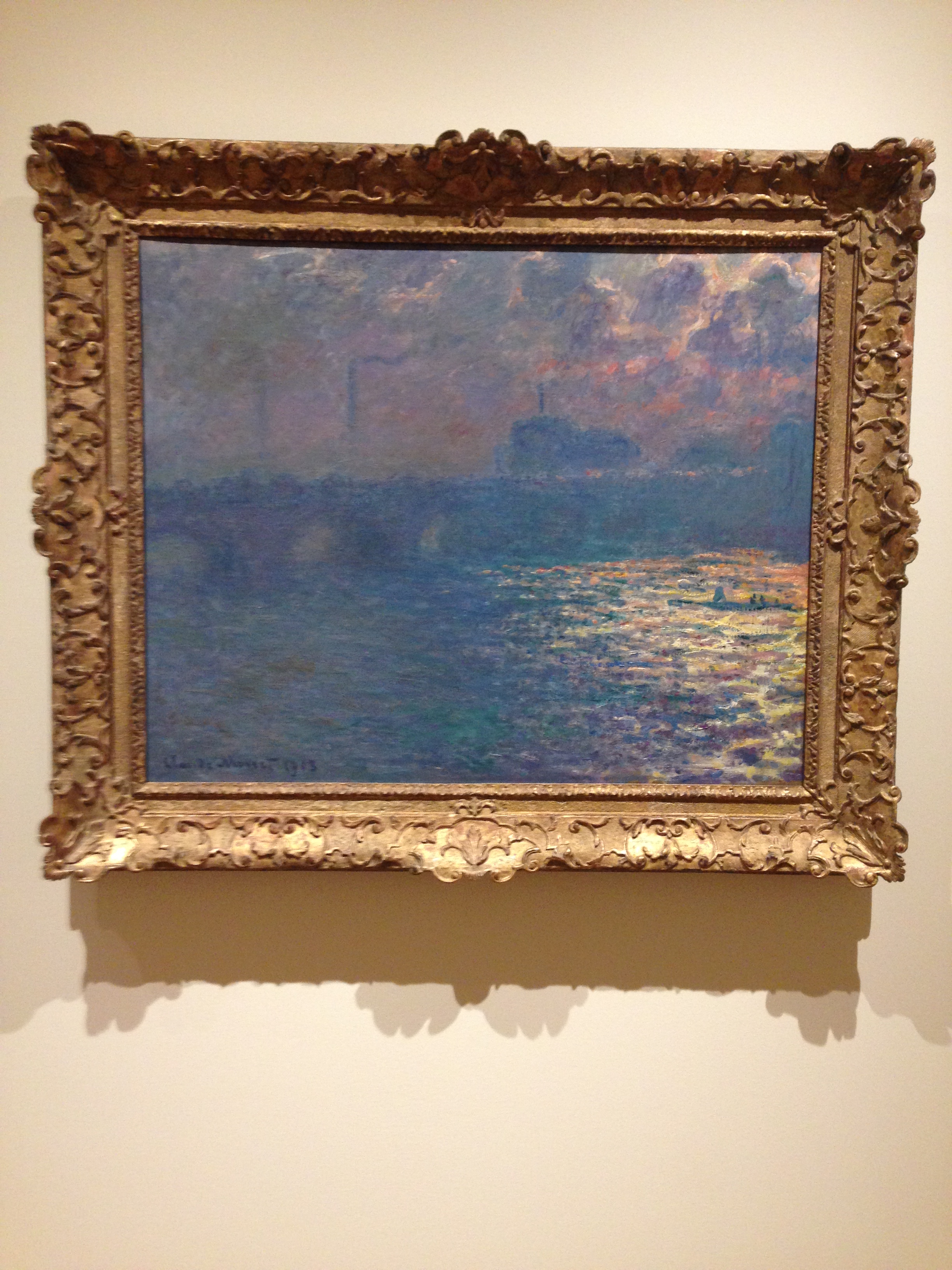
 

Claude Monet, Waterloo Bridge, Sunlight Effect, 1903


1800-1899

Winslow Homer, Hark! The Lark, 1882

http://collection.mam.org/details.php?id=19577
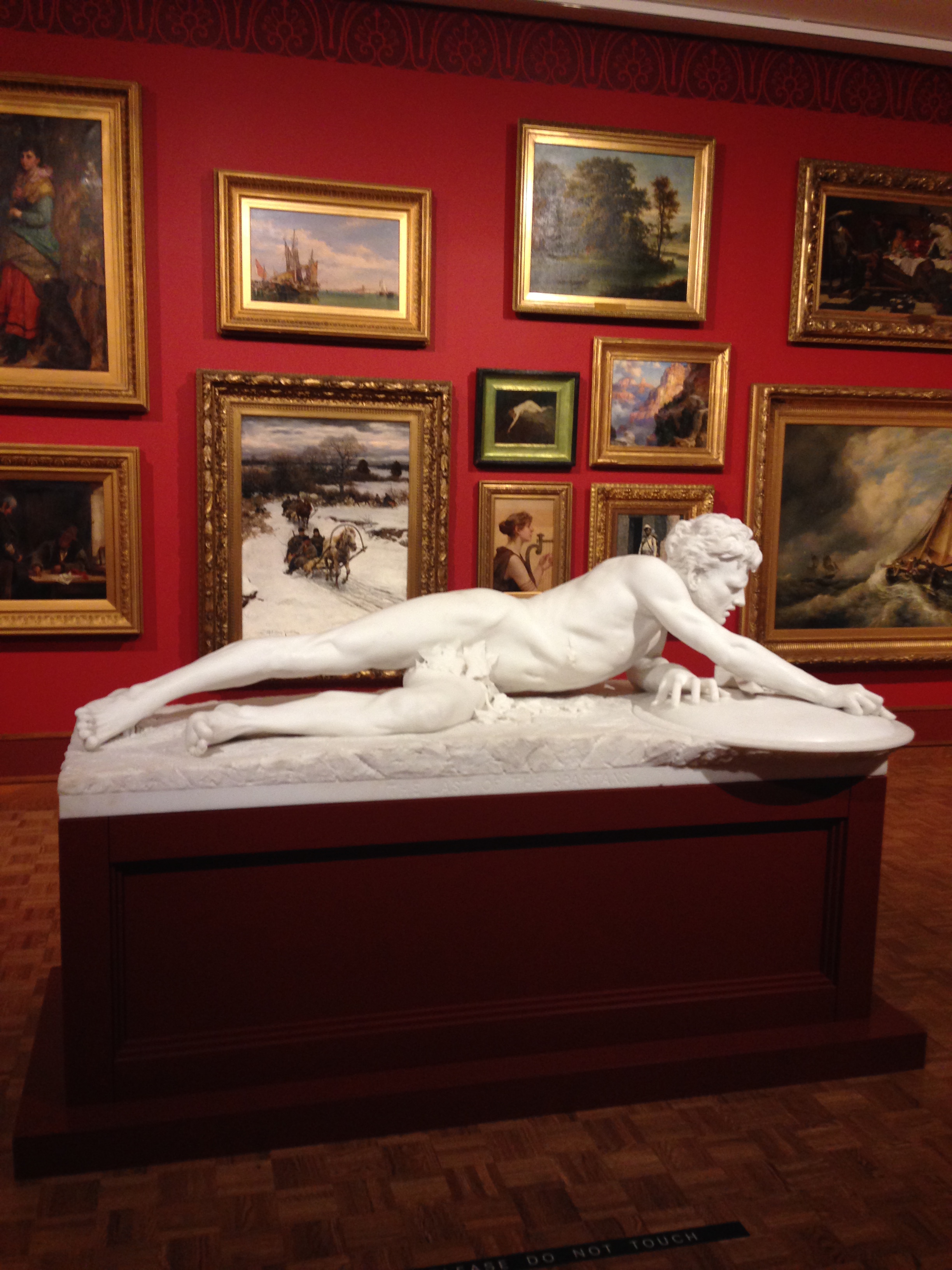
 

Gaetano Trentanove, The Last of the Spartans, ca. 1892

http://collection.mam.org/details.php?id=18585


Thomas Cole, Storm in the Wilderness, 1826–28

http://collection.mam.org/details.php?id=17502
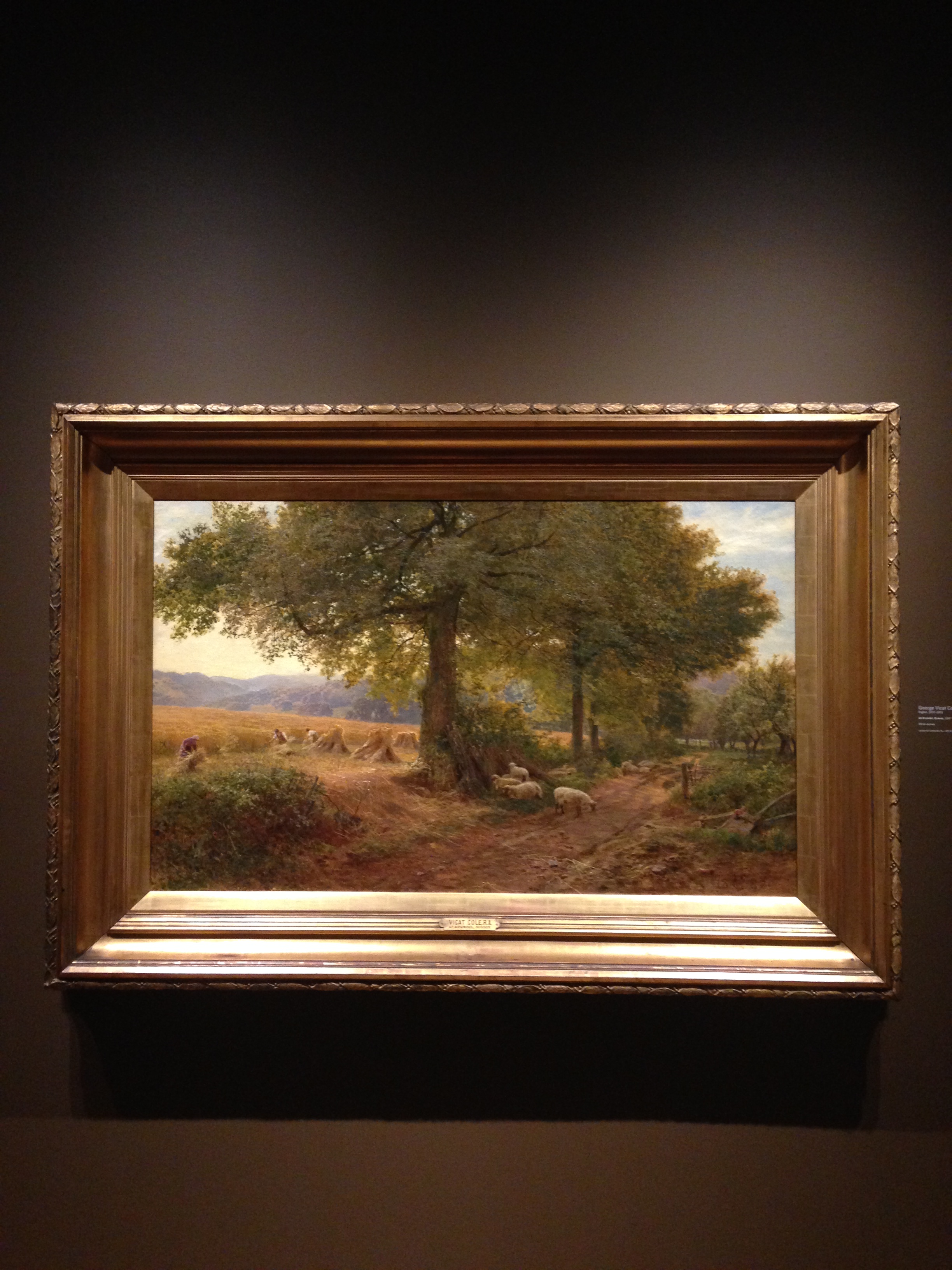
 

IMG_1293

George Vicat Cole, At Arundel, Sussex, 1887

http://collection.mam.org/details.php?id=14128


Christian Adolf Schreyer, The Wallachian Post-Carrier, before 1891

http://collection.mam.org/details.php?id=17551


Jules Bastien-Lepage, Le Père Jacques (The Wood Gatherer), 1881

http://collection.mam.org/details.php?id=21819


Christian Ludwig Bokelmann, The People’s Bank Shortly Before the Crash, 1877

http://collection.mam.org/details.php?id=16919
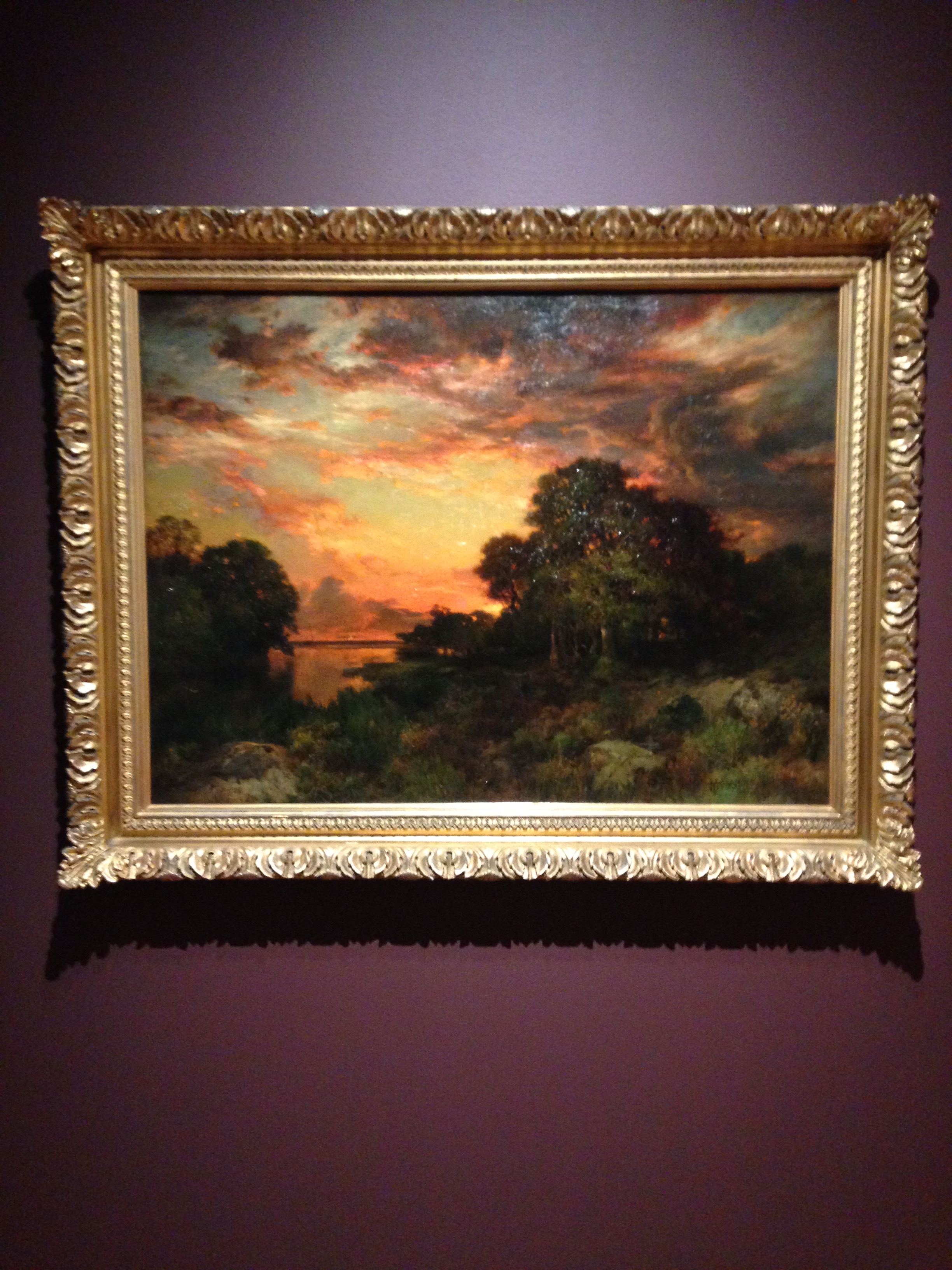
 

Thomas Moran, Three Mile Harbor, Long Island, 1889

http://collection.mam.org/details.php?id=31680
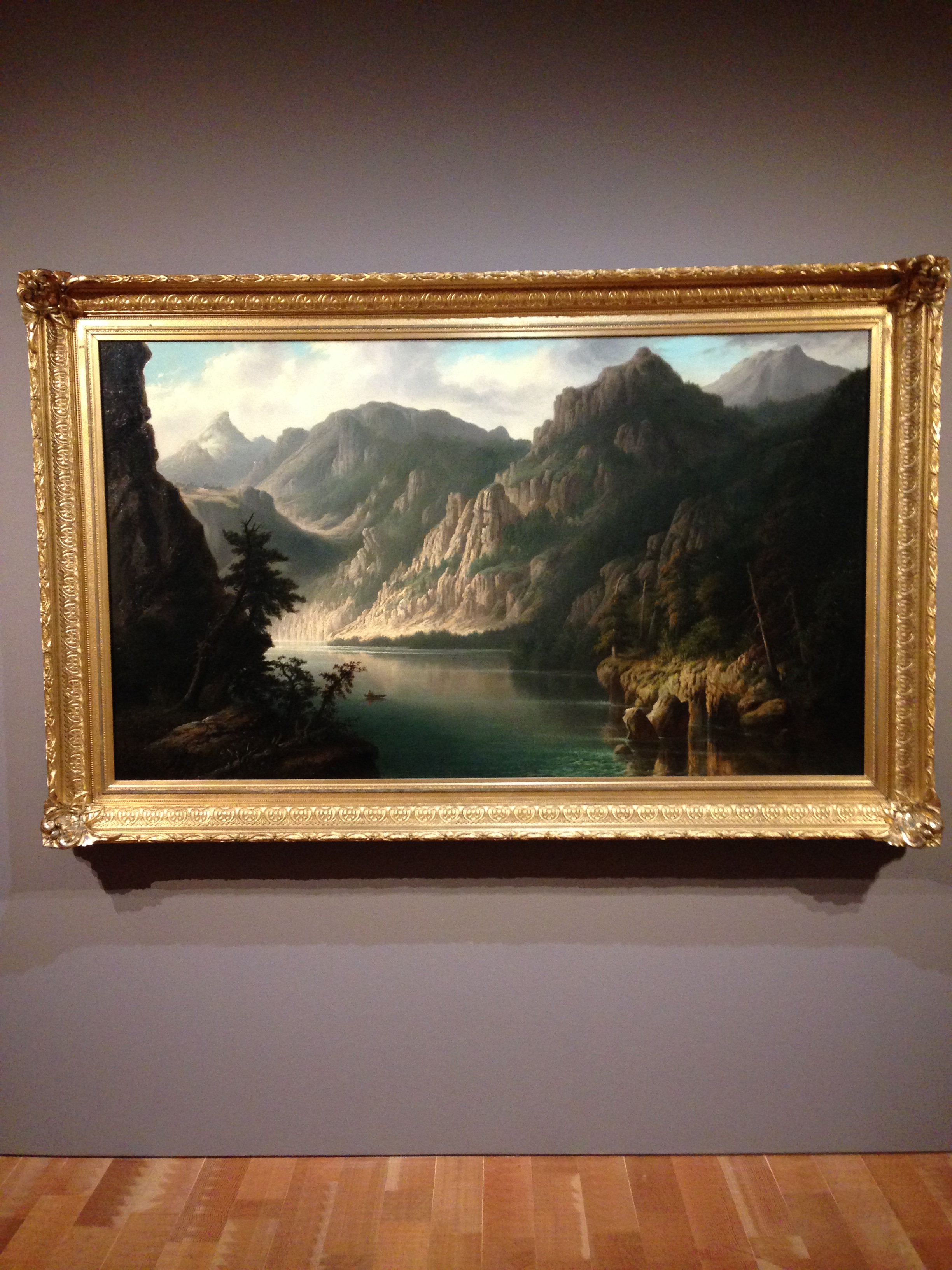
 

Henry Vianden, Landscape with Mountains and River, 1874/82

http://collection.mam.org/details.php?id=8090
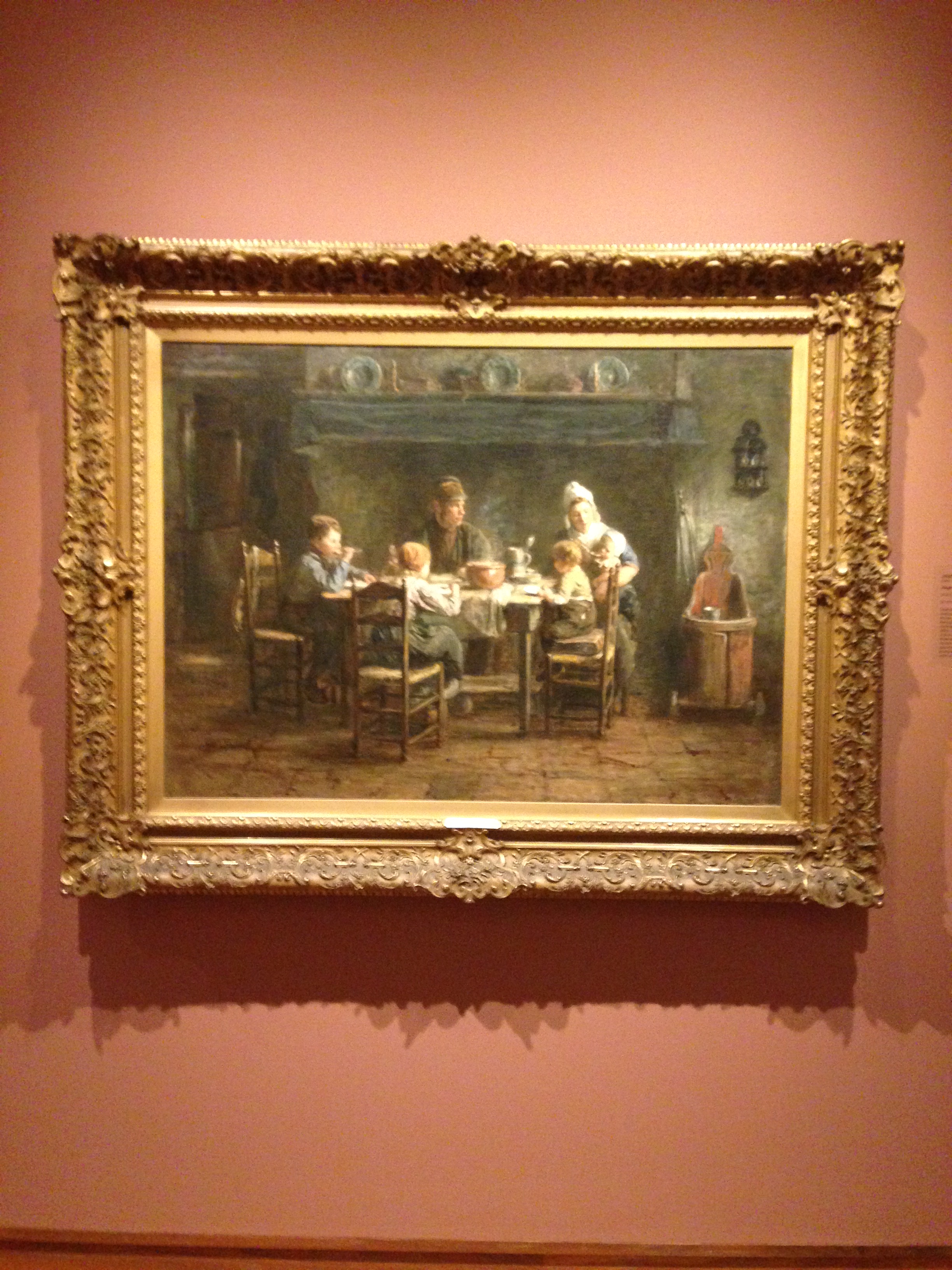
 

Jozef Israels, Village Family at a Meal, 1874/82

http://collection.mam.org/details.php?id=1343
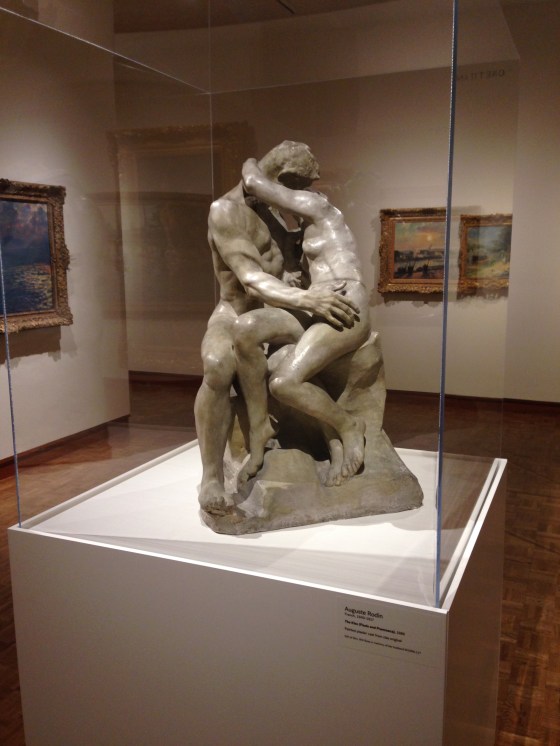
 

Auguste Rodin, The Kiss (Paolo and Francesca), 1886

http://collection.mam.org/details.php?id=8401
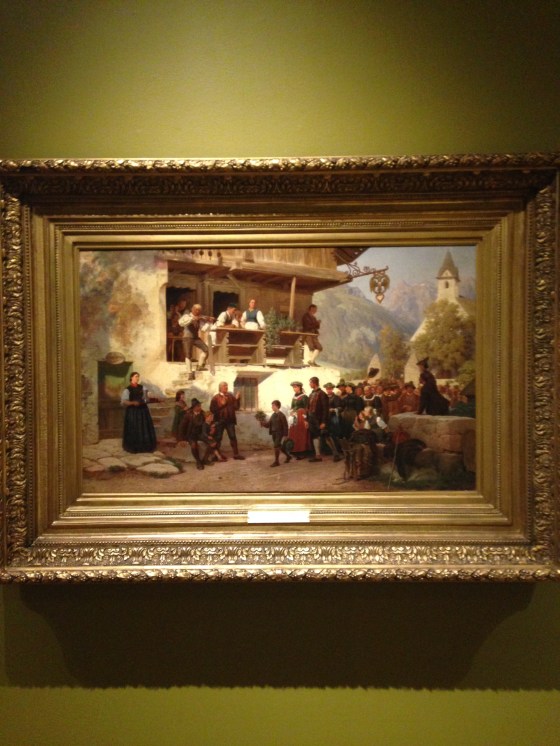
 

Wilhelm Ludwig Friedrich Riefstahl, Wedding Procession in Tyrol, 1866

http://collection.mam.org/details.php?id=8518


William-Adolphe Bouguereau, Homer and His Guide (Homère et son guide), 1874

http://collection.mam.org/details.php?id=14910


Alexandre Cabanel, Saint Augustine in His Study, 1845

http://collection.mam.org/details.php?id=31521


1700-1799

IMG_1047

Antonio Balestra, The Meeting of Telemachus and Calypso, ca. 1700
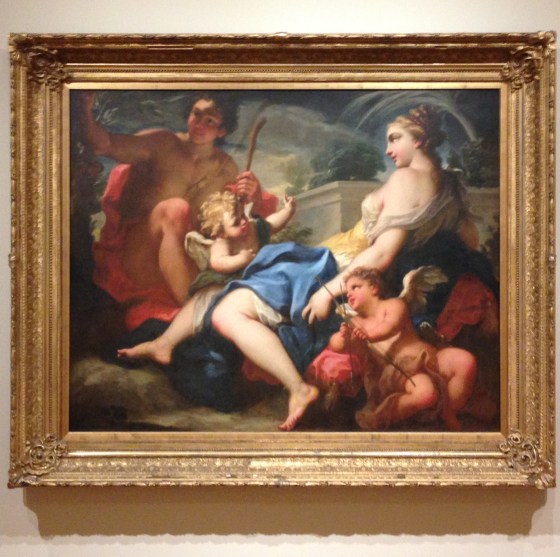
http://collection.mam.org/details.php?id=13519
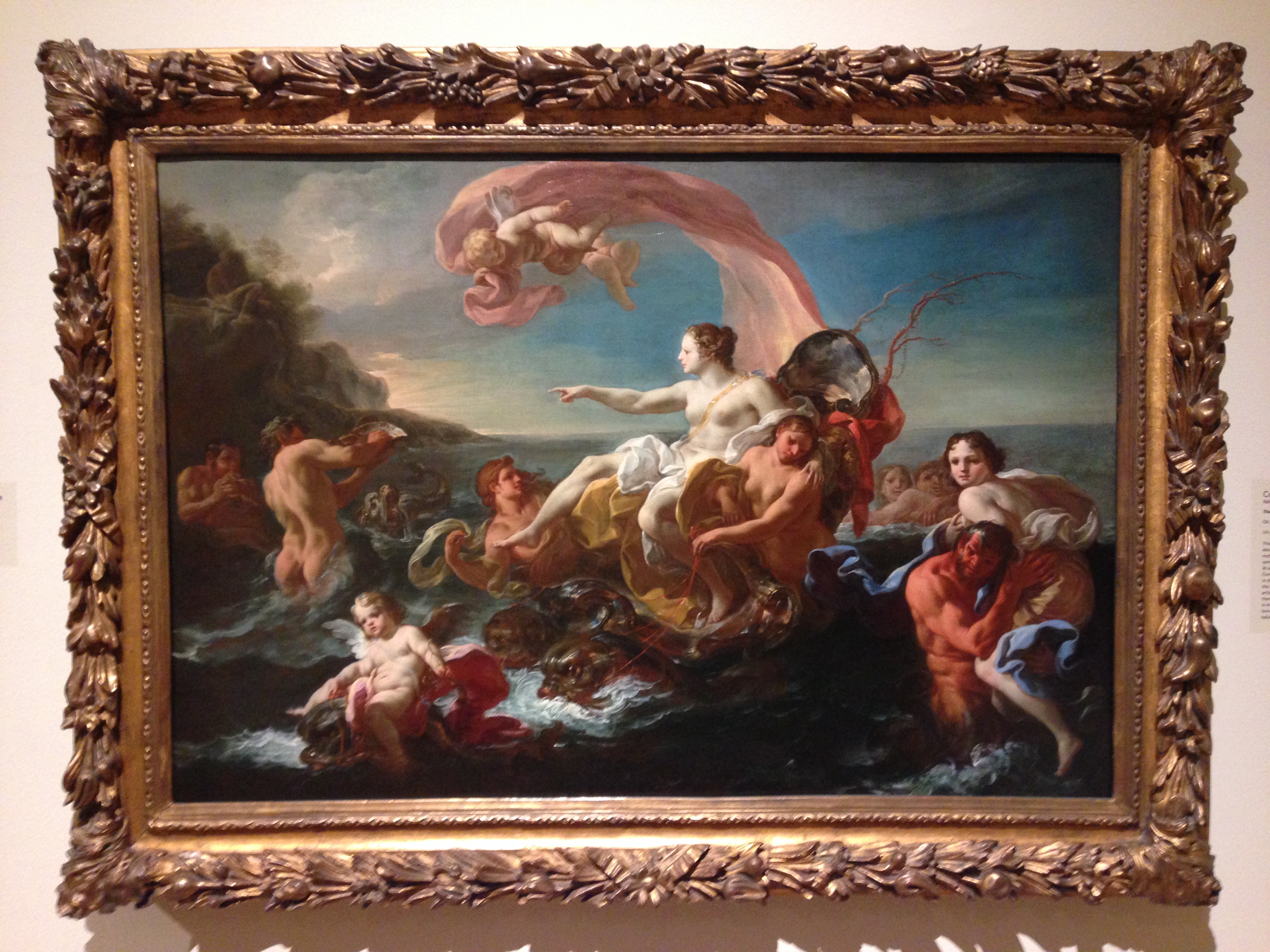
Corrado Giaquinto, The Triumph of Galatea, ca. 1752

http://collection.mam.org/details.php?id=10024

1600-1699

Giovanni Benedetto Castiglione, Noah and the Animals Entering the Ark, ca. 1650

http://collection.mam.org/details.php?id=5020


Matthias Stom, Christ Before the High Priest, ca. 1633

http://collection.mam.org/details.php?id=4902


Francisco de Zurbarán, Saint Francis of Assisi in His Tomb, 1630/34

http://collection.mam.org/details.php?id=9041

1500-1599

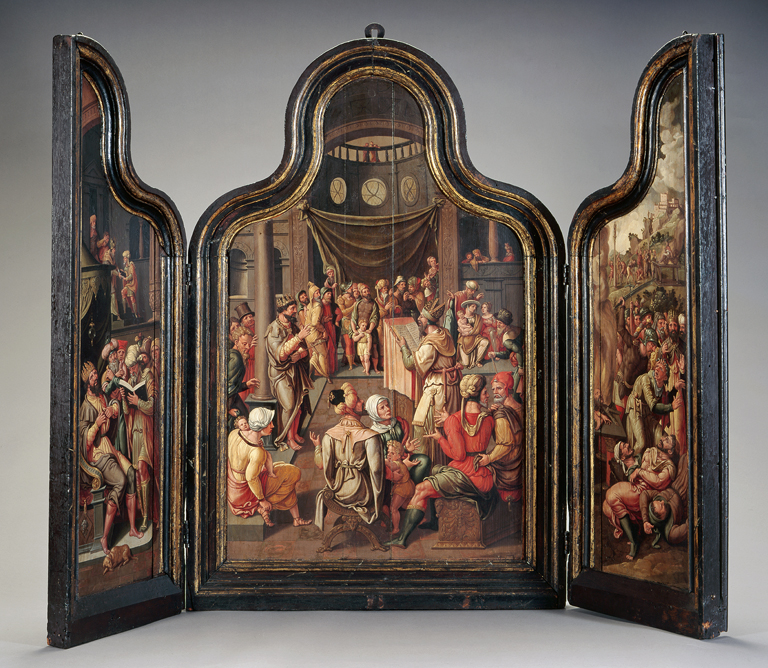
Triptych with Josiah and the Book of the Law, The Adoration of the Golden Calf and The Transfiguration of Christ, ca. 1550

http://collection.mam.org/details.php?id=15359
 

Battista Dossi, Noli Me Tangere, ca. 1520

http://collection.mam.org/details.php?id=3626

1400-1499

Francesco Botticini, Madonna Adoring the Child, ca. 1480

http://collection.mam.org/details.php?id=381

1300-1399

Nardo di Cione, Madonna and Child, ca. 1350

http://collection.mam.org/details.php?id=6953
Strange Throwback Thursday

Comic Stroll 2013


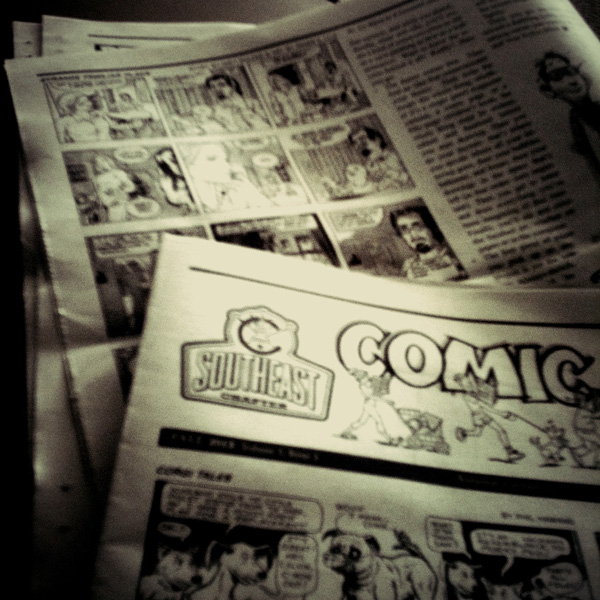
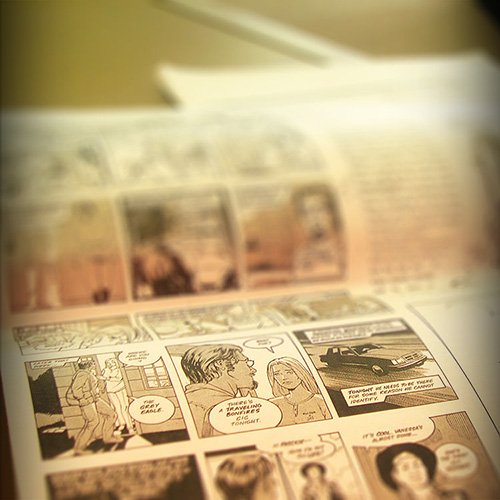
After nearly a six-year hiatus, I was excited to see a project that began with notes and sketches transform into a published comic strip. Even if it was a one-off. Even if I had to hand the responsibility of drawing each panel to someone else. It was done.

I had imagined that the creative non-fiction comic story I crafted would earn some interest. Maybe it would open a few doors to an audience. And allow me to write and illustrate. Even earn some money. Maybe I would quit my day job and provide for my household by doing something I loved. Telling stories. And drawing pictures.

That was five years ago.

A few weeks ago I found a box in the garage. It had several copies of a publication that printed my comic strip. I glanced over the pages and then placed them back into the box. I also found several books. Opened one book I remembered enjoying.

“What’s that?” asked one of the children.

“It’s a collection of comic strips.”

“Oh.”

I pulled a copy from the box and gave it to the child.

“There’s a story in there I wrote.” I said. “See if you can find it.”

The child took the copy of Comic Stroll and headed off to the couch in the living room.

I flipped through the pages of the book I had found. Read a few highlights.

Yeah, I resemble that, I thought to myself after reading a few lines at the end of the book. The author referenced a friend of his who gave up an art gig for a corporate job in order to provide for his family.

Yeah. I know what that is like.

How many comic pages might I have written and illustrated if I had. . . Well, what-ifs and might-have-beens are dangerous paths to pursue. What you did, great or small, is what matters.

Watching my progeny spend an afternoon reading comic strips I had a hand in creating was a pleasure.

NOTES:
Comic Stroll, a publication of the Southeast chapter of the National Cartoonist Society, featured a collection of previously unpublished comic strips. You can read the whole journey of what started in November 2005 as a couple drawings and became a creative non-fiction comic strip:
[1] Comics and Narrative Non-Fiction
[2] Comics and Narrative Non-Fiction Continued
[3] Narrative Non-Fiction Comics: part 3
[4] Narrative Non-Fiction Comics: part 4
[5] Narrative Non-Fiction Comics: part 5
[6] Narrative Non-Fiction Comics: UPDATE
[7] Narrative Non-Fiction Comics: UPDATE
[8] Strange Familiar Place comic series
[9] Strange Familiar Place returns
[10] The return of Strange Familiar Place to print

The final page


The final page of a sketchbook is a peculiar geography. . . read more ->

Leaving the oak grove office

DSCN3911[sqr-tilt-dallas]

The summer is at an end. Or at least the American tradition of the start of school and Labor Day signify the end of summer. And so, my work at the oak grove office has also concluded.

From the shade of oak trees, I hand-lettered and hand-painted signs for a Renaissance Faire. An anachronistic skill for these highly digital, automated modern times.

“Sure,” he said, the mastermind and owner of the School of Combat. “I can get these signs printed somewhere. But this isn’t a… video game… This is real combat. Real armor. With real swords. The signs need to be real. Anything fake… and the magic is gone.”

DSCN3912[sqr-tilt-dallas]When tasks around the grounds did not occupy his attention, he would take a pencil and sketch out a drawing of a crane or boar on a wooden shield. All the drawings were based on authentic heraldry. My job was to accurately paint the shields.

“Should only take a few hours,” he said after he assigned projects. “Depending on the details.”

All the shields were painted with a combination of six colors. Attention to detail and quickness of brush were essential to the painting of the shields and signs. Some mornings I would draw a double-headed rooster, unicorn or swan. Before noon, paint filled in the background. Red for the swan and unicorn. White for the double-headed rooster and the crow. Water was used to thin the acrylic paint for some techniques like shadows and highlights.

“I like it,” he said after he inspected my work on the wild boar shield. “You should see kids when they enter the ring. They’ll claim one of these shields… They’ll point at it or whack it with their foil. The painted animal or bestiary becomes their totem.”

DSCN3903[sqr-dallas]He asked for my brush. Loaded it with some black. Mixed in some white. A little blue. Touched up a few details on the belly of the boar. I did not mind. Always yield to the master. Some of his crew have told me that other artists did not last past a day with him. Maybe they were untrainable.

“Yeah, this is great,” he said and handed me back the brush. “You don’t know how happy this makes me.”

He took a seat, smiled, slowly ran is hand over his nearly shaved head. I explained a couple details about the boar and the other shields I had worked on that day.

“You know,” he started. “This is spiritual… very spiritual…”

DSCN3904[sqr-tilt-dallas]The fencing ring is violent, he conceded. But it is necessary, he added. America does not have a rite of passage for boys becoming men or girls becoming women. The ring provides a balance to the scales in some manner. Brothers settle festering scores with each other. Young men humiliated for their arrogance. Families learn about justice when they enter the ring of combat. Daughters win matches and glow with achievement. He told me all manner of stories about the ring.

Then he stood up, “No one has ever been injured in the ring. The armor prevents that. Well, maybe injury to their pride. The armor allows for that.”

He smiled his hallmark smile.

After I returned to the task of painting shields, meditation on his words continued. In that oak grove, there was no artificial broadcast of mechanically distributed musical entertainment. The rhythm of framers hammering out their progress on a building competed with bird song. Every so often a circular saw cuts through the hot summer afternoon.

DSCN3421[...]Boys tend to gauge range first before striking, he told me earlier in the summer. Girls go straight for the prize. If you want to win, he told me. Strike first and fast. And don’t stop until someone pulls you off the target.

My brush paused at that thought. I gauged the next brush stroke. Cursed myself for lack of discipline, and applied the next stroke. And the one after that. On target and fast.

Do not stop until someone pulls you away. Until summer fades to autumn. Until the shields and signs are placed.

From the office in the oak grove

DSCN3413[...]

Two full moons ago, I shared a glimpse at my outdoor office. Yesterday, I asked the boss if I might share few details about the location and the unique job I enjoyed under the shade of red and white oak trees. And he said yes.

The adventure started with a phone call and brisk interview. It was a working interview. The interviewer wore a leather flat cap and showed me wooden shields and signs.

“Can you paint?” he said.

“Yes, I can,” I said. “I brought my own brushes. Should I have brought my own paint?”

He didn’t answer. He was sorting through a stack of shields piled on a wooden table. He explained that some shields required touch up work due to weathering and use while other shields need to be painted — originals, as he put it.

“If I like your work, I can keep you busy all summer,” he said as he produced cans of paint and assigned a place to work. “If I don’t like your work…” Well, suffice it to say he related that my working interview would be concluded and I should not return.

“I’ll be back in a few hours,” he said and assigned two projects for me to complete. Then he got in his truck and drove down a service road to do something somewhere else on the property.

DSCN3405[...]

It took a few moments for me to gauge what to start with. I picked up each shield and sign and weighed where to start. After I opened a couple of paint cans, I searched for a water bucket or anything to keep the brushes clean and for mixing colors. I salvaged a water bottle for a trash bin and began to paint. Long story short, he liked the work I did and told me I should show up the next day. That routine continued for most of the summer.

One, of many, comments he shared with me continues to intrigue me. It involved the idea of hand-painted art versus computer-generated, printed signs.

“There is juju with these things,” he said inspecting one of the shields I painted. “People connect with this stuff, because it was created with human hands. Not some computer.”

DSCN3411[...]

I listened to him. I examined the source material that he shared with me. He sketched bestiary on a wood panel and I watched. He asked for my brush and corrected a shadow and I learned.

DSCN3416[...]
As I drew the typography of a sign for the ring, it became clear to me what he had been telling me and showing me this summer. The clean, manufactured sterility of our culture separates the element of human touch. When I painted the “y” from the word “only” it was similar but not an exact facsimile of the “y” in “beyond” on the line below. Yes. Precision could have improved the exactness of the two letters. My lettering and painting captures my technique as well as foibles. 

DSCN3418[...]

During this summer, I read several books by Ryōkan and Bashō. The historical footnotes and commentary on the calligraphy of the poets were as exciting as the literary work itself. The fact that scholars continue to examine the brushstrokes hundreds of years after the poets passed from this earth testify to the essence of human connectivity. The falter of a stroke — a brush loaded with ink that lacks the energy to complete a long stroke remains a signature of the poet. Was it intentional? Or accidental?

As I examined a finished sign with him one afternoon, I said, “It’s not perfect.”

“Only God is perfect,” he said. “These are magic. When people see these signs, they will know that this is real. This is the real thing. Not a duplicate. This is OS. Original standard. Good stuff. See you tomorrow.”

Book cover illustration – update

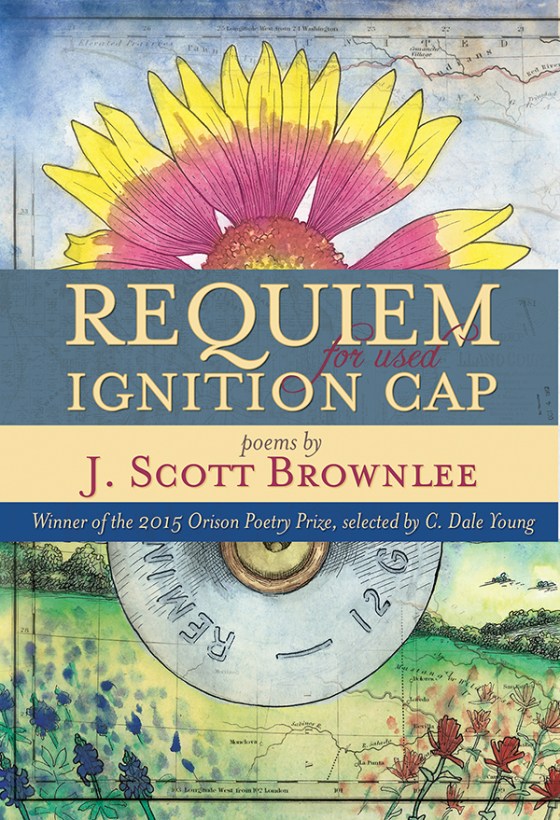
Fear motivates. The paralyzing fear that if I mess up the coloring of this book cover art, I will have to start the whole process over again. And the completion date is fast approaching. But the task needs to be done. So, onward.

DSCN3428[sqr-tilt-dallas]

Watercolor washes begin the color process for the book cover illustration.

DSCN3427[sqr-tilt-dallas]

Paint to the edges and then let the colors bleed. The basic color palette had already been determined weeks prior to the final execution of the cover art. But once the water and pigment are activated on the surface of the paper, the color palette organically builds to its own organized spontaneity.

DSCN3434[sqr-tilt-dallas]

Details. There are always small details that many casual observers may not detect at first glance. For example, the color for the shotgun shell includes multiple wash layers of different pigments — each layer pulling or pushing color from previous layer.

HardCover

Once the final art is approved, I finished the design with title bar and a map overlay to texture the collage art.

The pleasure of drawing

DSCN3386[sqr-tilt-dallas]

Nearly done with the back cover illustration. A brush is often forgotten in the process of keeping a clean drawing surface.

DSCN3396[sqr-tilt-dallas]

Detail of the back cover illustration — a catfish. I have to admit — besides the firewheel flower blossom on the front cover — drawing the catfish was a pleasure.

DSCN3400[sqr--dallas]

Front and back cover pen and ink collage drawing completed. Ready for the next phase — watercolor.

The purpose of drawing

The foundation of a great painting is a solid drawing. At least that was my goal when I worked on this book cover illustration for Orison Books. The collage features a firewheel — sometimes called Indian blanket — blossom, shotgun shell and expansive Texas landscape.

DSCN3395[sqr-tilt-dallas]
Nearly completed pen and ink work on the cover.

DSCN3390[sqr--dallas]

Detail of the firewheel flower blossom.


The purpose of thumbnail illustration

The purpose of thumbnail sketches is to advance the concept of artist, art director and editor to a final product. It seems like a lot of busy work, but three elements are essential: brainstorming, mind-mapping and closing the gap. The following images illustrate the process of thumbnail sketches as it relates to a book cover illustration. DSCN3558[sqr-tilt] Three thumbnail cover comps presented to the publisher a couple months back. DSCN3560[sqr-tilt] Full-size book cover sketch to gauge color temperature and composition of elements.
A sneak peek at the office

DSCN3405[...]

The challenge with working outdoors is no internet connectivity and barely a mobile device signal. It makes checking emails and updating social media status and blog posts nearly impossible. But, really, the technological detox is quite rewarding.

The contract job orders are nearly complete. Word of mouth has lined up another job in the… well… I cannot really disclose the location at this point. But I will say that the red and white oak trees provide wonderful shade and an orchestra of bird song. Or is a symphony of bird song?

Another day at the office

20150619-134401.jpgThe office. Outdoors. Clear skies. For the last couple weeks I’ve been contracted to paint… well, I cannot disclose what I paint at this point. Not where. But it is a beautiful day to paint some art.

Paint until the light fades

20150609-075742.jpg

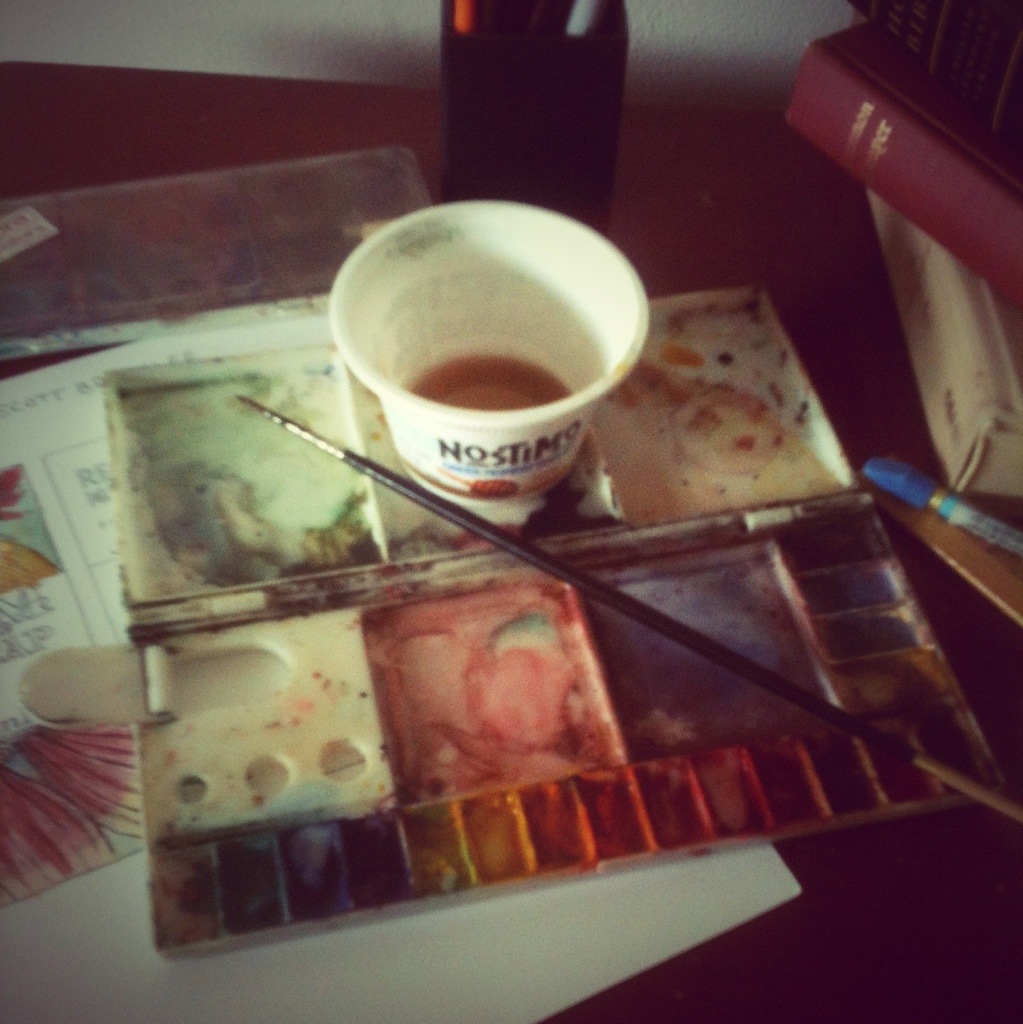
Last Friday night. Using natural light, I worked on an illustration until sunset. Without a formal art studio, the best place to draw with pen and ink and to paint with watercolor is at the east window. As the time grows close to the longest day of the year, this allowed for more time spent doing art work. But when the light fades it is time to switch tasks and clean brushes and pens.

Box of Poetry

A challenge motivates me to think of solutions. In this case, the challenge was inspired by a reader of this blog who commented: “It would be lovely to cover a little box with beautiful words…” Great idea!

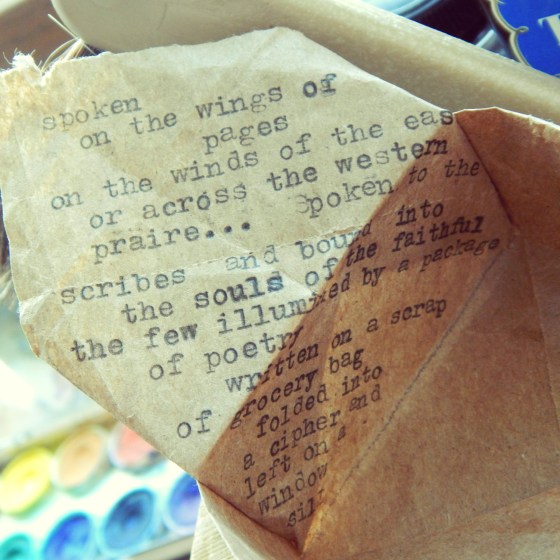
After a couple concepts and a couple drafts of what I hope are “beautiful words” here is a custom origami box of poetry. The reward is to watch the user/reader pick up the box and decipher the order of the poem.

DSCN3314_HD_IG
[Front] “Box of poetry”
 

DSCN3315_HD_IG
[Left flap] “In a land where/the blind lead the/blind/the poets are the seers/the judges/the priests/the relics of a religious/age… It amuses the/people to hear their words/but few convert/and see the word/written/or
 

DSCN3316_HD_IG
[Right flap] “spoken/on the wings of/pages/on the winds of the east/or across the western/prairie… Spoken to the/scribes and bound into/the souls of the faithful/the few illuminated by a package/of poetry/written on a scrap/of grocery bag/folded into/a cipher and/left on a/window/sill”
 

DSCN3319_HD_IG
[Back] “this is your box of poetry to light your way in the land of the blind/after reading these lines eat the words and burn the box”

Afternoon work, windows open, listening to Joseph Arthur

20150410-150554.jpg
Listening to “It takes a lot of time to live in the moment” by Joseph Arthur while working on an illustration comp for a book cover.

Twenty bucks does not go as far as it used to

20150408-122615.jpg

The return of Strange Familiar Place to print

Comic Stroll 2013

After a long sabbatical, Hudson and Heather Stillwater return to print in the comic strip “Strange Familiar Place,” a slice-of-life drama. Previously unpublished comic strips of “Strange Familiar Place” are now available in limited distribution in the fall issue of Comic Stroll, a publication of the Southeast Chapter of the National Cartoonist Society (SECNCS).

One of the SECNCS members provided me copies of Comic Stroll on Monday. Later this week, copies will be distributed at the annual SECNCS meeting as well as VA and childrens hospitals in the region.

Strange Familiar Place returns

Stange Familiar Place - Comic Strip

After a very long hiatus, “Strange Familiar Place” will be back in print. Or at least it will be in a very limited capacity. More details on that later.

The creative non-fiction comic “Strange Familiar Place” first appeared in The Indie. Inspired by the works of Harvey Pekar, Jessica Abel, and Eddie Campbell, I wrote and illustrated “Strange Familiar Place.” Eventually I collaborated with illustrator and comic book artist James E. Lyle on six comic strips.

Comic Stroll, a publication of the local chapter of the National Cartoonist Society, will feature that collection of previously unpublished comic strips. Read the evolution of what started as a couple drawings and became a creative non-fiction comic:

  1. Comics and Narrative Non-Fiction
  2. Comics and Narrative Non-Fiction Continued
  3. Narrative Non-Fiction Comics: part 3
  4. Narrative Non-Fiction Comics: part 4
  5. Narrative Non-Fiction Comics: part 5
  6. Narrative Non-Fiction Comics: UPDATE
  7. Narrative Non-Fiction Comics: UPDATE
  8. Strange Familiar Place comic series

More details about Comic Stroll distribution will be made available later.

Hidden in the closet

Hidden in an old portfolio

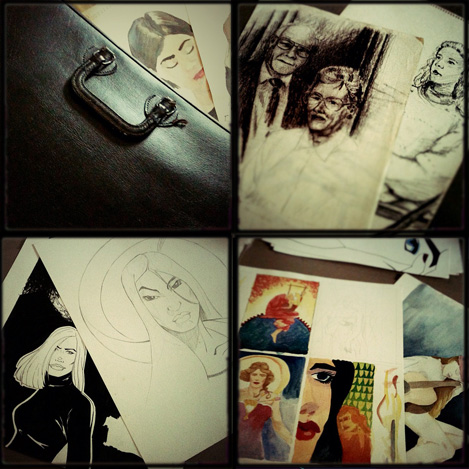
Something hides in the closet. Below the button down shirts and dress slacks for work, behind the winter wardrobe of sweaters, vests and jackets, and against the back wall is an old black leather portfolio with handles. Years ago it was a mandatory item for any and every graphic design student or young professional with goals of becoming an art director, illustrator or creative director. I pulled out the old portfolio and the oversized heavyweight document envelopes behind it and entered a gateway to another time and place.

Like time travel, I am back in the 1990s. There were three main portfolios I presented. One presentation was corporate, ad agency design samples. The kind of material that ranged from logo design, brand campaigns and the like. The second presentation was print design. That portfolio exhibited all manners of print designs from brochures, books, direct marketing collateral, magazine spreads, cover designs, etc. For presentations, I would rotate the design samples in the black leather portfolio based on the interview. Sometimes I presented a hybrid of both that included work that featured my copyrighting and marketing pieces. But the third portfolio was my favorite–the illustration portfolio.

Professors, peers and even my first art director advised it was the weakest of the three. The general critique was that technique needed improvement. So I kept working on improving technique and execution. A black cloth case bound sketch book always accompanied me almost everywhere I traveled. I’d sketch landscapes, still lifes, portraits and tried various techniques using pencils, Sharpie markers, charcoal, ink and watercolor. But soon I learned that I could earn more financially and find more consistent work with digital designs.

It is not that I abandoned illustration. A few years ago, a national news magazine featured one of my illustrations on the cover of its annual books issue. Earlier this year, another illustration was featured as a book cover design. Also this year, a few spot illustrations were published in a book.

As I look at these old illustrations and sketches, I see a younger, self-doubting me at a time before home computer, internet, or smartphone entered my life. Back in those days, the only entertainment devices I had was a stereo set with a five-CD player, a stack of maybe 30 audio CDs and a shelf full of books. Through the portal of this time capsule, I see the mistakes and accomplishments with a new perspective. Hidden away in that closet is a portfolio of dreams, aspirations and ideas that was slowly replaced with a portfolio of duty and responsibility. A thought occurs to me as I examine an unfinished sketch of a female portrait, did I focus on pursuing a career path rather than a vocation? Maybe that is a thought I should hide in the closet while I bring some of these illustrations into the daylight.

What is your creative space?

An open window to creative space

The window is open on a warm late May day and a cool mountain breeze  moves the curtains like papery fingers. Occasionally, I glance at the Japanese maple outside or the grape vine wildly clinging to a handmade, crude trellis of found pine limbs….

[read more]

UPDATE: This blog post is available as part of an audio podcast.

Listen now:

Or listen on:
PodOmatic: coffeehousejunkie.podomatic.com
SoundCloud: soundcloud.com/coffeehousejunkie

E-book: This blog post will be featured in a forthcoming e-book. More details coming soon.

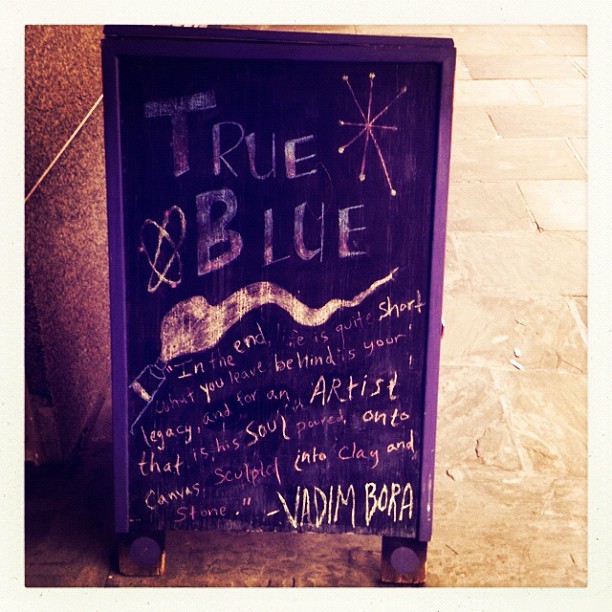
True Blue quotes artist Vadim Bora.

Woodblock print drying.

Painting with Kidlingers


How to make a mini book

Here are instructions for folding a mini book.

Here’s how to make a handmade mini book in eight steps (and a published author/book artist in 10 steps).