![DSCN2828Web[SqTiltDallasFrame]](https://coffeehousejunkie.net/wp-content/uploads/2015/05/dscn2828websqtiltdallasframe.jpg?w=840&h=840)
Hyperion Espresso, Fredericksburg, VA.
Hyperion Espresso, Fredericksburg, VA.
![DSCN2887Web[SqDallasFrame]](https://coffeehousejunkie.net/wp-content/uploads/2015/05/dscn2887websqdallasframe.jpg?w=840&h=840)
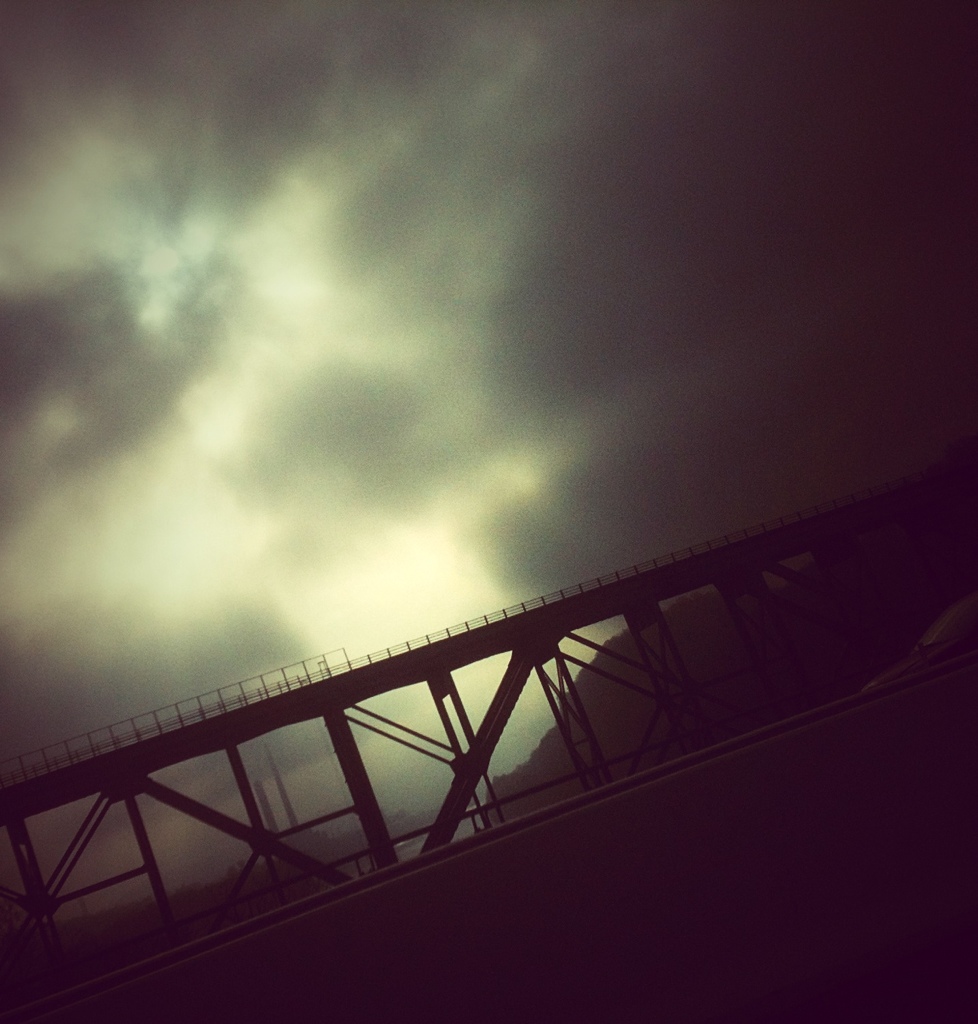
Allegheny River crossing near Pittsburgh.
![DSCN2898WebHR[SqDallasFrame]](https://coffeehousejunkie.net/wp-content/uploads/2015/05/dscn2898webhrsqdallasframe.jpg?w=840&h=840)
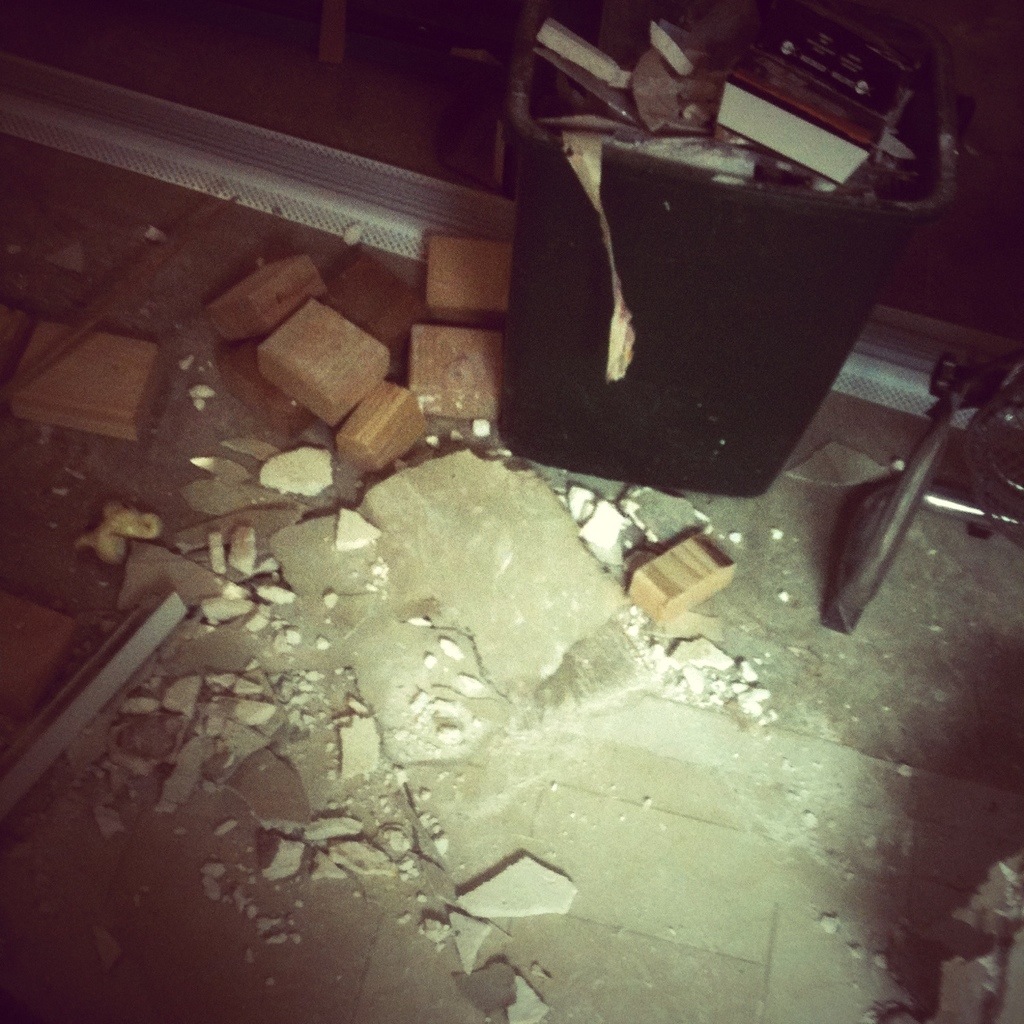
Amid the dry wall dust of demolition and uncut two-by-fours ready for framing, I calculated that I have lifted and carried more than a thousand pounds of building materials and debris. Not all at once, but one forty-pound load at a time. Poco a poco.
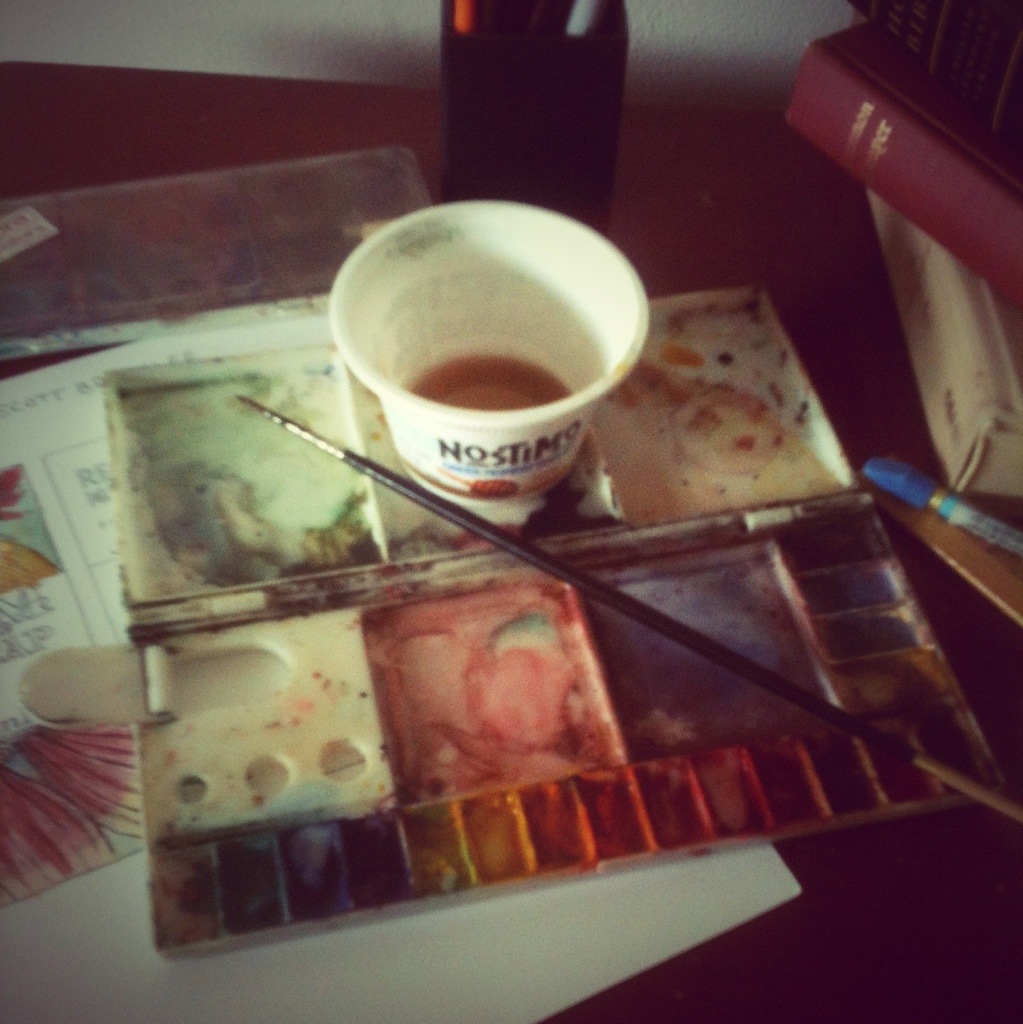
Listening to “It takes a lot of time to live in the moment” by Joseph Arthur while working on an illustration comp for a book cover.
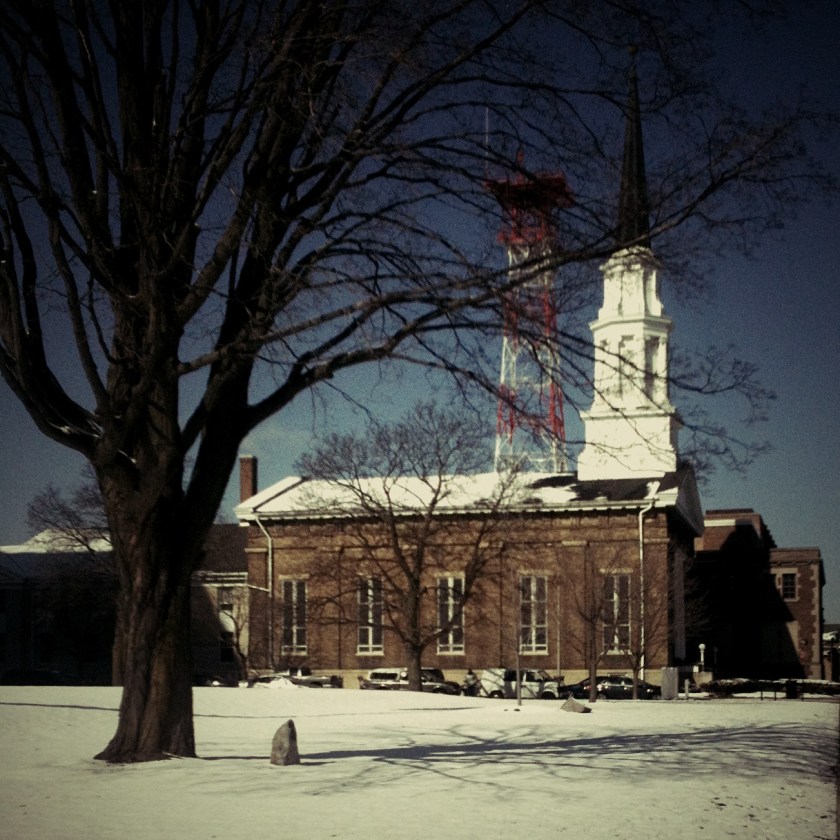
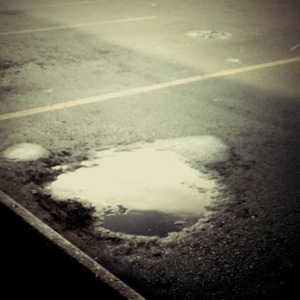 It is an early summer morning. It rained the night before as I walk a mile or so before I climb into the car for the morning’s mega commute. The parking lot near my home is dappled with puddles slowly evaporating. It reminds me of when I first started taking black and white photographs in high school. One of my favorite subjects was reflections of the sky in puddles.
I don’t remember what initially attracted me to the subject matter, but I remember loading a 35mm SLR manual camera–either an Olympus or a Pentex–with a spool of film, pulling the leader and lining the sprocket holes with the sprockets, securing the leader to the spindle, closing the back door and advancing the film a couple frames. I’d sling the camera over my shoulder and head outdoors to capture a surreal glimpse of the heavens from the perspective of puddles on asphalt. Or pools of water on gravel roads or a grassy field.
After collecting images captured and hidden on a roll of exposed black and white film, I returned to the darkroom at the high school and processed the film. First developing the amber film strips and then placing it in the enlarger to make prints. The way the image emerged from the paper as it floated in the developer solution was no end of amazement for me–like watching an unseen ghost suddenly materialize. The image of a lamp post in a puddle near the grainery, the water tower with clouds dancing from the pavement, the side of the building of the Coal Miner’s bar on Main Street or a self-portrait reflecting in a pool of water in an alley.
Something about a reflection seen from a different perspective captivated me. How can I look at a subject differently? How can I view it from a different angle–another perspective? I guess that’s how I approach a lot of things today–asking myself, What’s the wider context? Some days I just need to take a long walk on an early summer morning and look for those puddles, search for a different angle of the sky, watch the fog on the mountain tops from a mud puddle. Maybe a distorted, impressionistic reflection will inform me of something I didn’t see before.

More than 50 poems were sent to publishers in January. Encouraged by another poet who submits somewhere in the neighborhood of 60 poems a month, I thought it would be a good discipline as well. It’s exhausting as well.
A few years ago, I was encourage not to post my poems on this blog (or Facebook), because a lot of small press publishers consider those poems “published.” So, I’ve been writing offline and sharing the new poems at private salons, a poetry festival and with friends. But I have not pursued publication until this year.
Talking with Al Maginnes after his recent reading at Malaprop’s, he told me how is first poetry submission was accepted immediately. Encouraged by this, he submitted more poetry to publishers. He said it was years before anything else was published.
So far, two publishers replied with rejection notices. That’s alright. I will submit those poems to other publishers.
Anyone remember when you used to capture a photo and had to wait weeks to see how the negative film exposed to light translated by silver halide salts to a produce a positive image on paper?
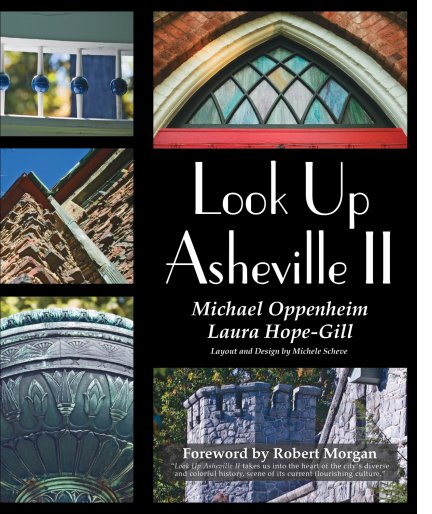
Tonight at 6:30 p.m. the Look Up Asheville II book launch begins at the Battery Park Champagne Bar/Book Exchange. Join the festivities for the launch of Look Up Asheville II featuring photography by Michael Oppenheim and essays by Laura Hope-Gill. Poet Robert Morgan writes: “Look Up Asheville II takes us into the heart of the city’s diverse and colorful history, scene of its current flourishing culture.”
From the event invitation: “Look Up Asheville II features more architectural details captured by local photographer, Michael Oppenheim, accompanied by historical essays by Laura Hope-Gill, with a Foreword by premier author and poet Robert Morgan (Gap Creek, Lions of the West, Terroir). Designed by Michele Scheve, Look Up Asheville II does more than inform readers and viewers of the architectural, social and creative history of Asheville; it celebrates all these with stories and luminous images. The new book contains Asheville’s grand Bed and Breakfasts and more of the exquisitely built churches, inns, museums and downtown treasures.”
And so it ends…
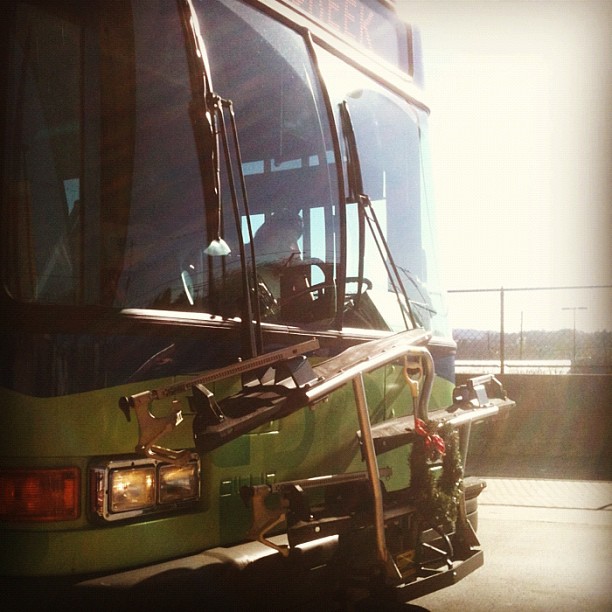
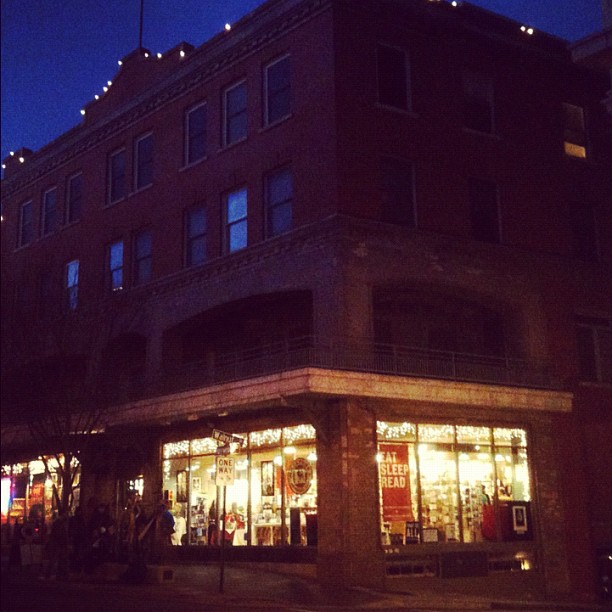
These last few months I have missed you @Malaprops
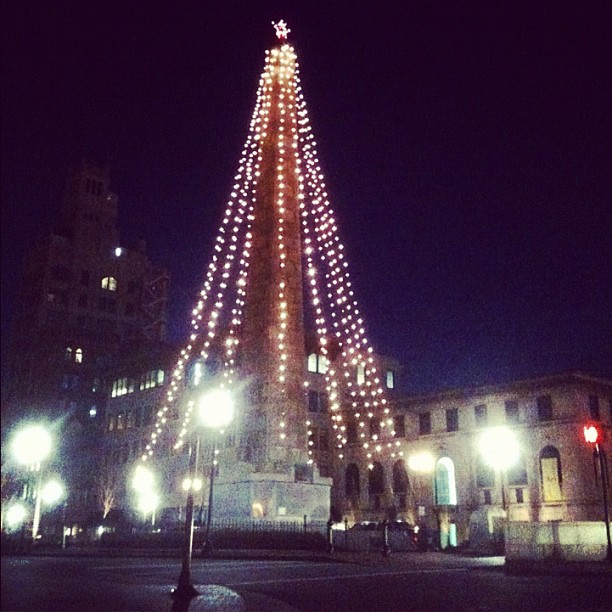
Downtown #avl all lit up.
A view from my afternoon office.
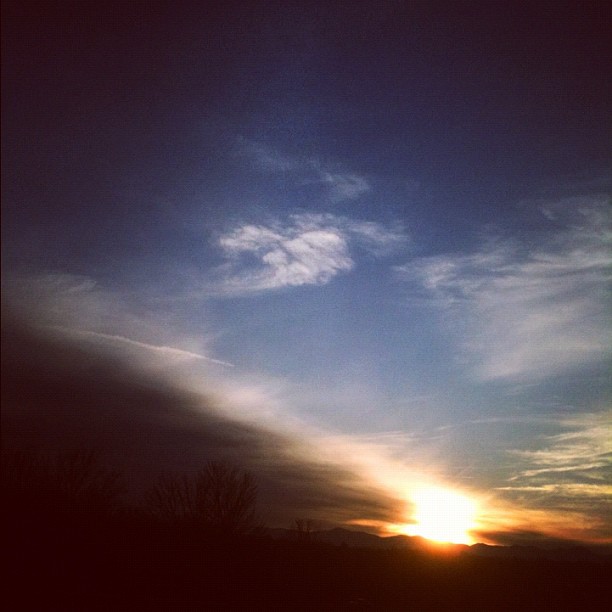
Sunset, Christmas Day 2011.
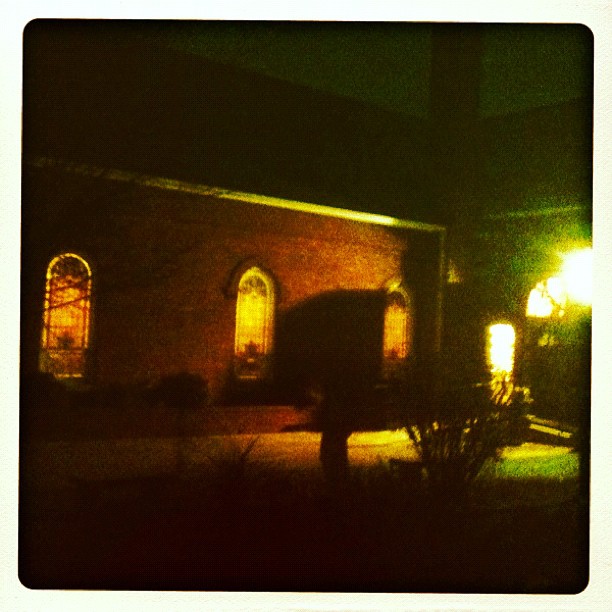
Tonight, Christmas Eve Missio Dei gathering. Exultet celum laudibus.
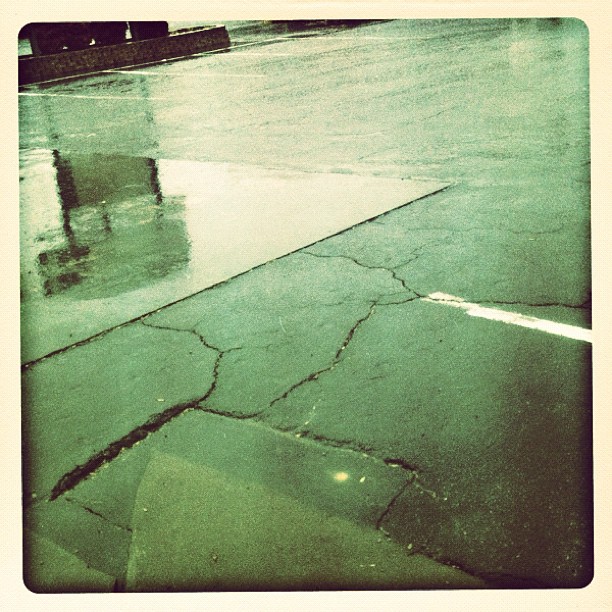
Beautiful rainy afternoon.
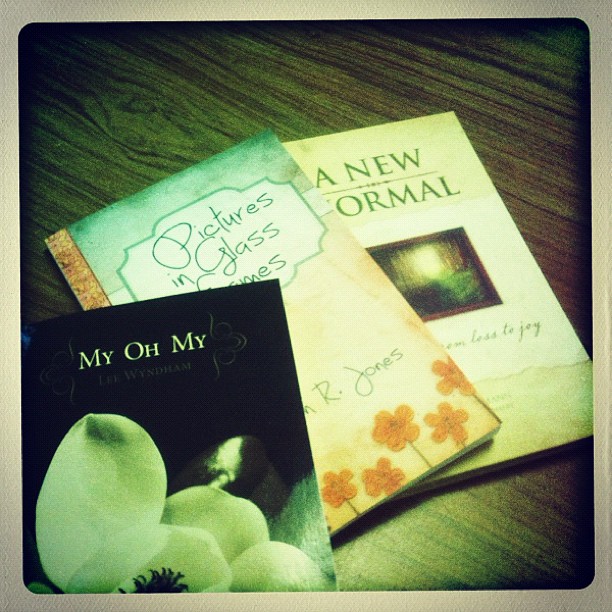
Just a few of the books I designed during the last few weeks.
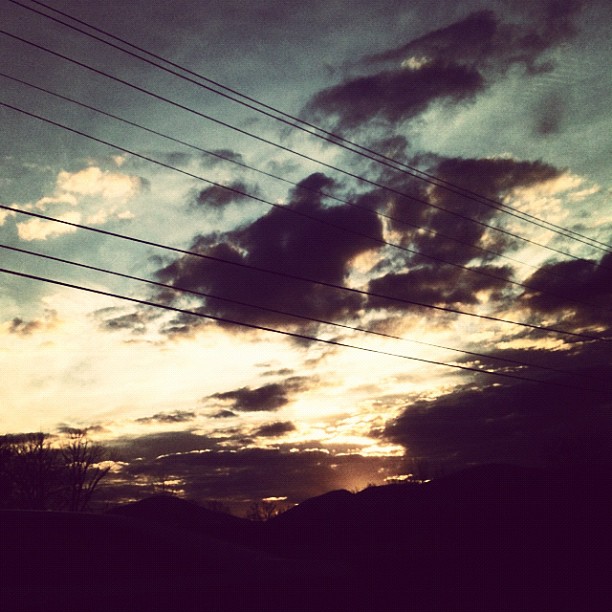
Sunrise on one of the last days before solstice.
 Coffeehouse Junkie