Saturday mornings. The work week is done. Sunrise is an hour or more away. The windows open. And have been all week. Unusual for this time of year and this part of the country. Birds create a pre-dawn cacophony in the evergreens outside the windows to the east.
The oldest kidlinger is up early doing laundry. Needs clean clothes for work later today. We move about the apartment quietly.
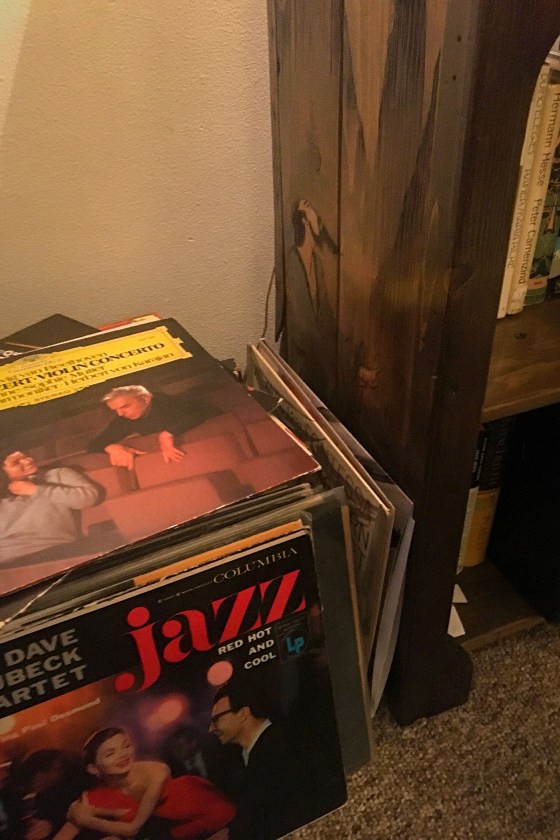
Saturday mornings are time for jazz. Brubeck. Coltrane. Evans. Tatum. But it is too early for Saturday morning jazz. It is time for stillness. A time to plan, think, and meditate.
* * *
Conversations from the week come to mind. What makes a good book?
There are good books. Or at least, interesting books. There are poorly written books. And bad books. Meaning stylistically bad (as in the content is unsuccessfully researched, appallingly argued, or intentionally misleading). There are well-written books with poorly argued thesis statements. There are dull books with good data. And there is a bookshelf that holds them together.
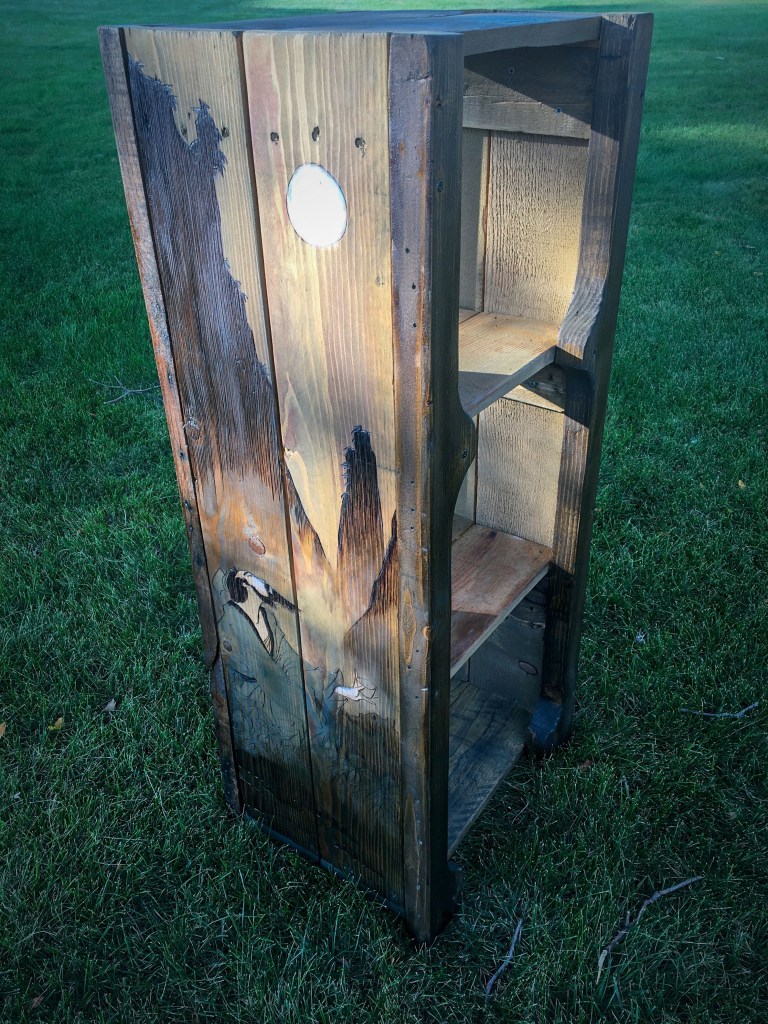
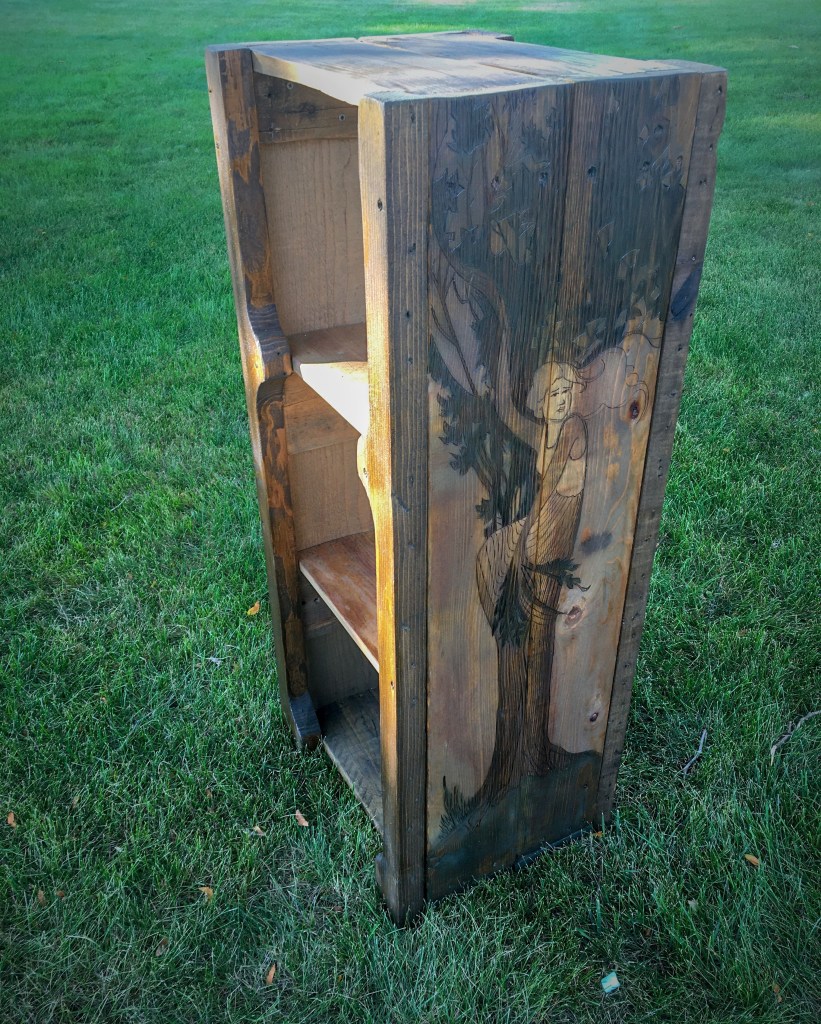
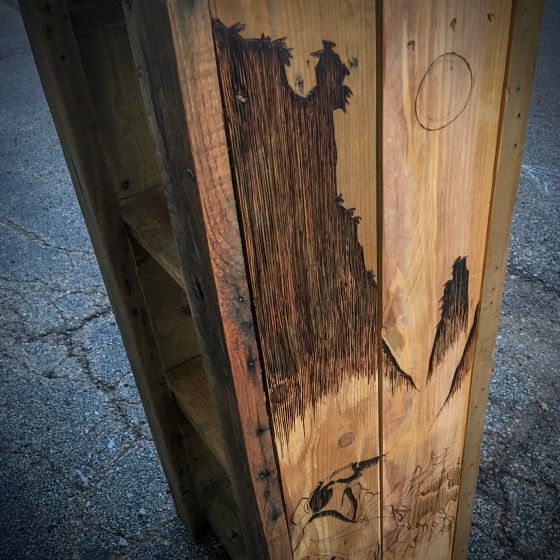
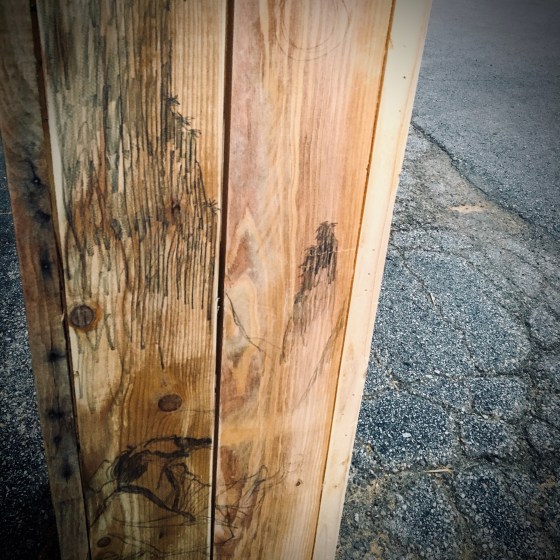
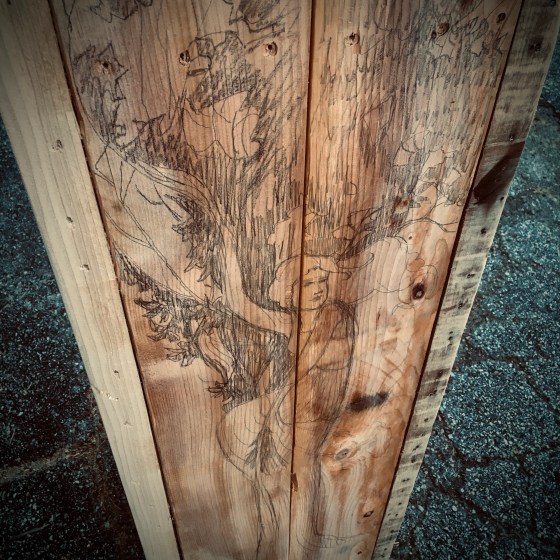
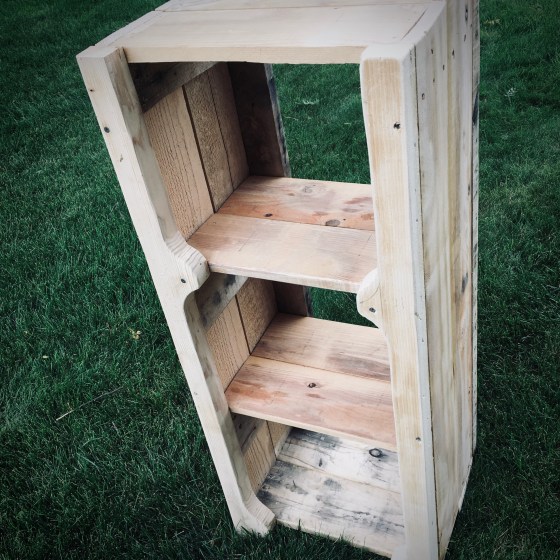
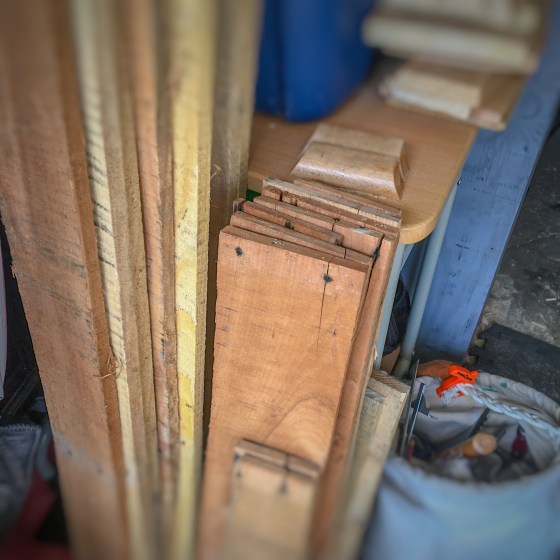
The no-plan, salvaged-wood bookshelf collects a portion of my library. The space between the work-from-home station and the vintage stereo is the new home of the bookshelf. The summer therapy project was completed so late that the intended use for the bookshelf for school materials was no longer relevant.
The relevance is now my education. My continuing education in art, science and religion. Essentially, philosophy. What is truth? And, how do I know it? Variations on a theme. A book about technology. Another about project and time management. The top shelf nearly all books of poetry and essays. Some memoirs and novels. Several books on theology and spirituality. Books by American writers. British writers. And German writers.
The second shelf. A mix of poetry, fiction, essays, art and design. The third shelf. Memoirs, classical education, technology, theology, and philosophy.
Reading an abundance of books does not make an individual well-read. Reading great books does not make one well-read. Understanding the great conversation makes a reader well-read.
* * *
“I don’t read books,” he said. I did not know what to say. “I read the newspaper. Mainly the sports page. But that’s it.”
I recalled the conversation from a few years ago. At lunch. On the patio of the Knickerbocker Hotel. The thought appalled me. Not the person. He’s a good guy. But no book reading? How is that possible?
And I know how this happens. Happened. Long days of work. Long commute. Family responsibilities. Community engagement. And other demands. Priorities need to be made in order to set and accomplish goals.
* * *
Found myself in the recliner. Everyone asleep. It was late. The lamp near the recliner was on. All other lights were off. The apartment was dark. A copy of the New Yorker on my chest. The record player was on. Three records on the platter. Waiting to be reloaded on the center spindle.
I had fallen asleep. Midway through the tables for two section of the magazine. Could not even keep my eyes open. Did I eat supper? Or dream of eating it? Or dream of reading that I ate it?
Who has time to read legacy publications? Will try again on the weekend.
I folded the magazine cover to the back so that the page I had read was open. And placed it on the top of the bookshelf to read later. Then turned off the lamp.
* * *
How did it get to be noon? How did it get to be Saturday?
The sun is bright. Warm November breeze rattles the remaining brown leaves on the tree outside. Art Tatum plays from the record player.
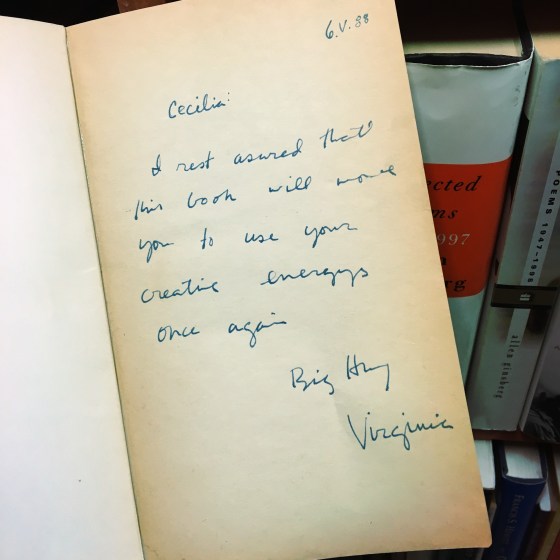
I return a small book to the bookshelf. I place it open on the top shelf of the no-plan, salvaged-wood bookshelf I built this summer. The shelves are deep. At least a foot deep. Could hold two rows of standard-sized paperback books.
I place the book open on the top shelf. A reminder for me to return to the passage that captured my attention. Imagination. A bread crumb trail back to an idea.
The next vinyl record drops down the spindle. Bill Evens. Peace Piece. It is Saturday morning jazz slouching toward afternoon.










 Coffeehouse Junkie